Colour, Character & Contrast — Milan Design Week 2026
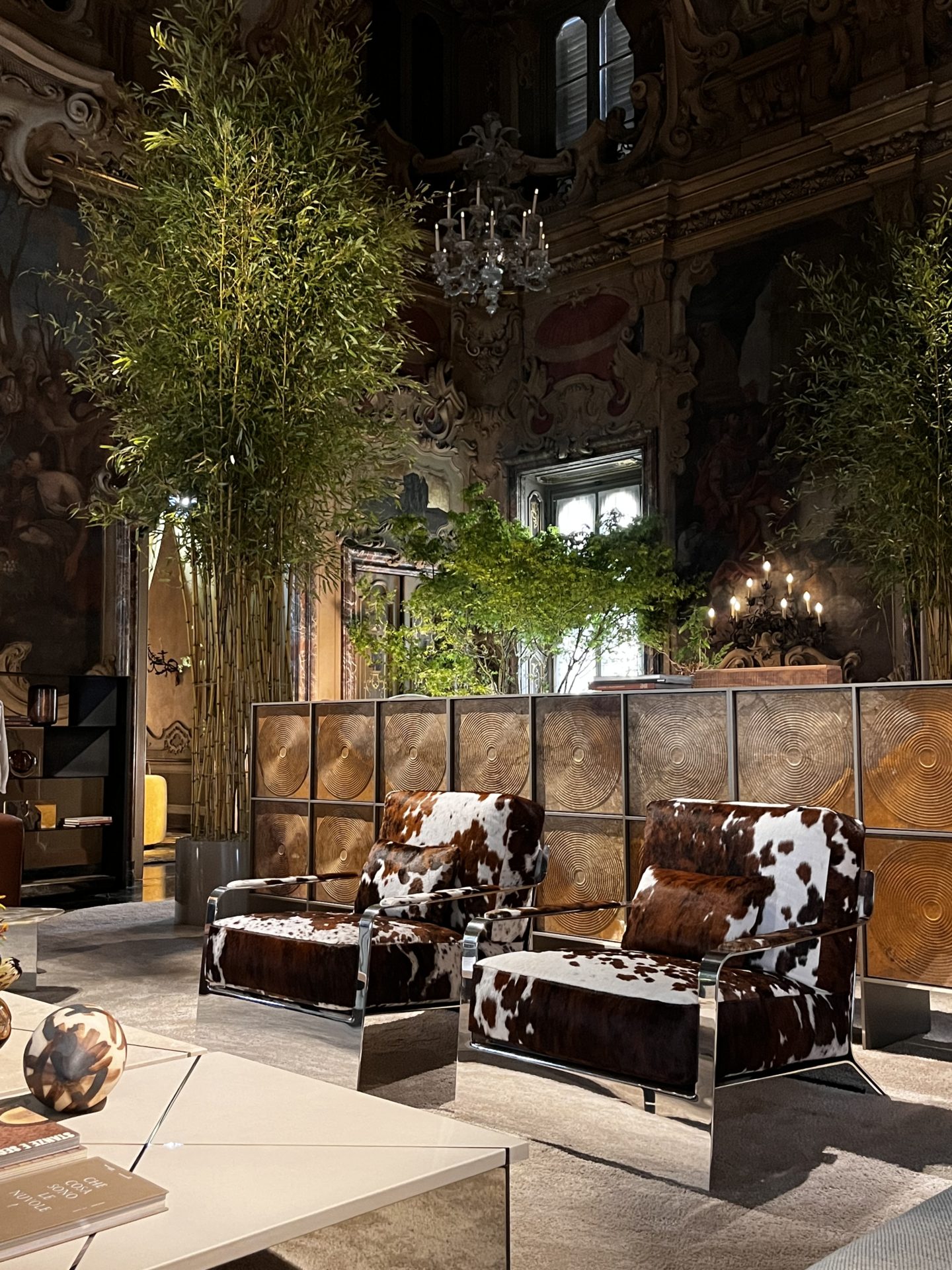
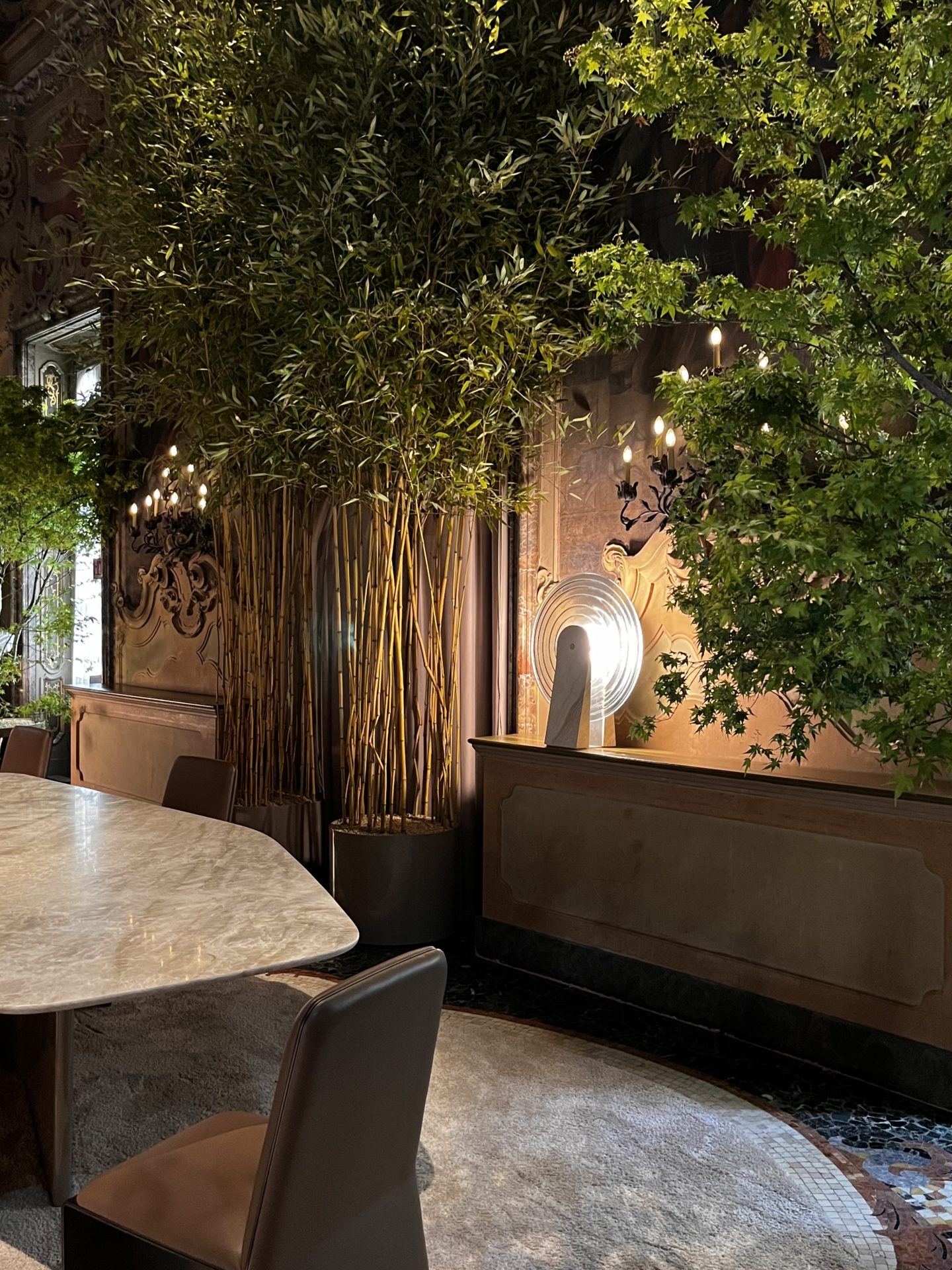
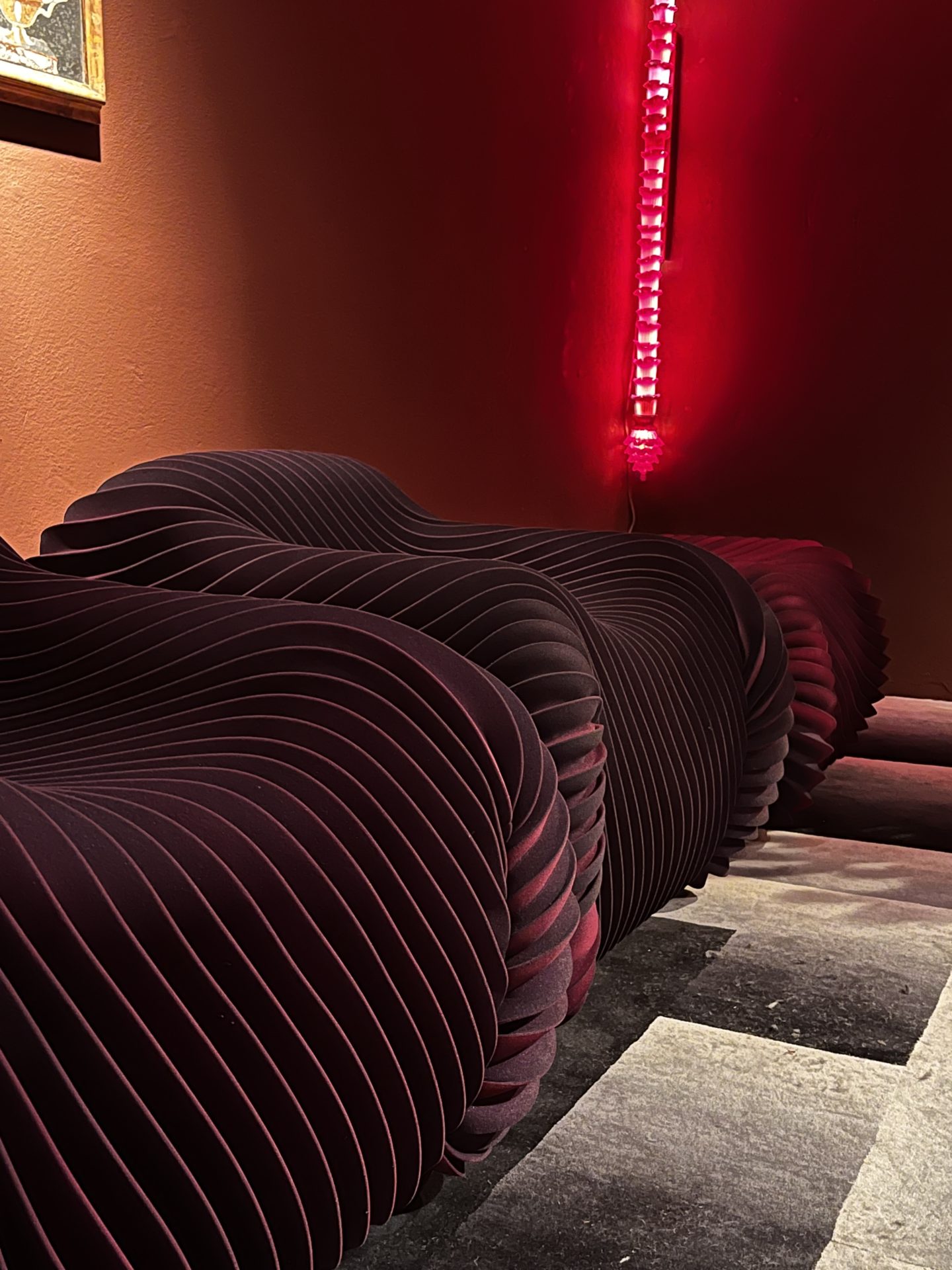
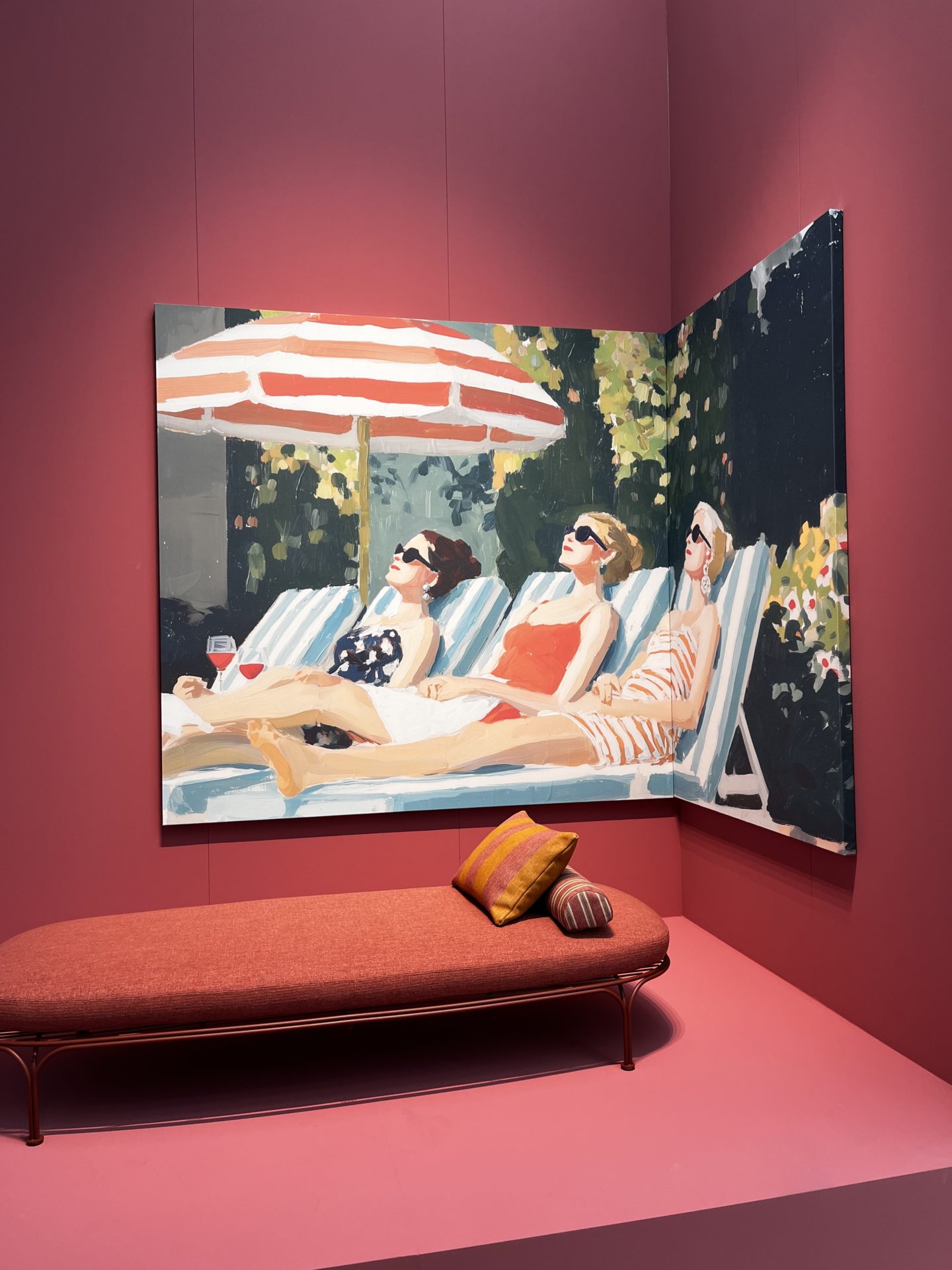
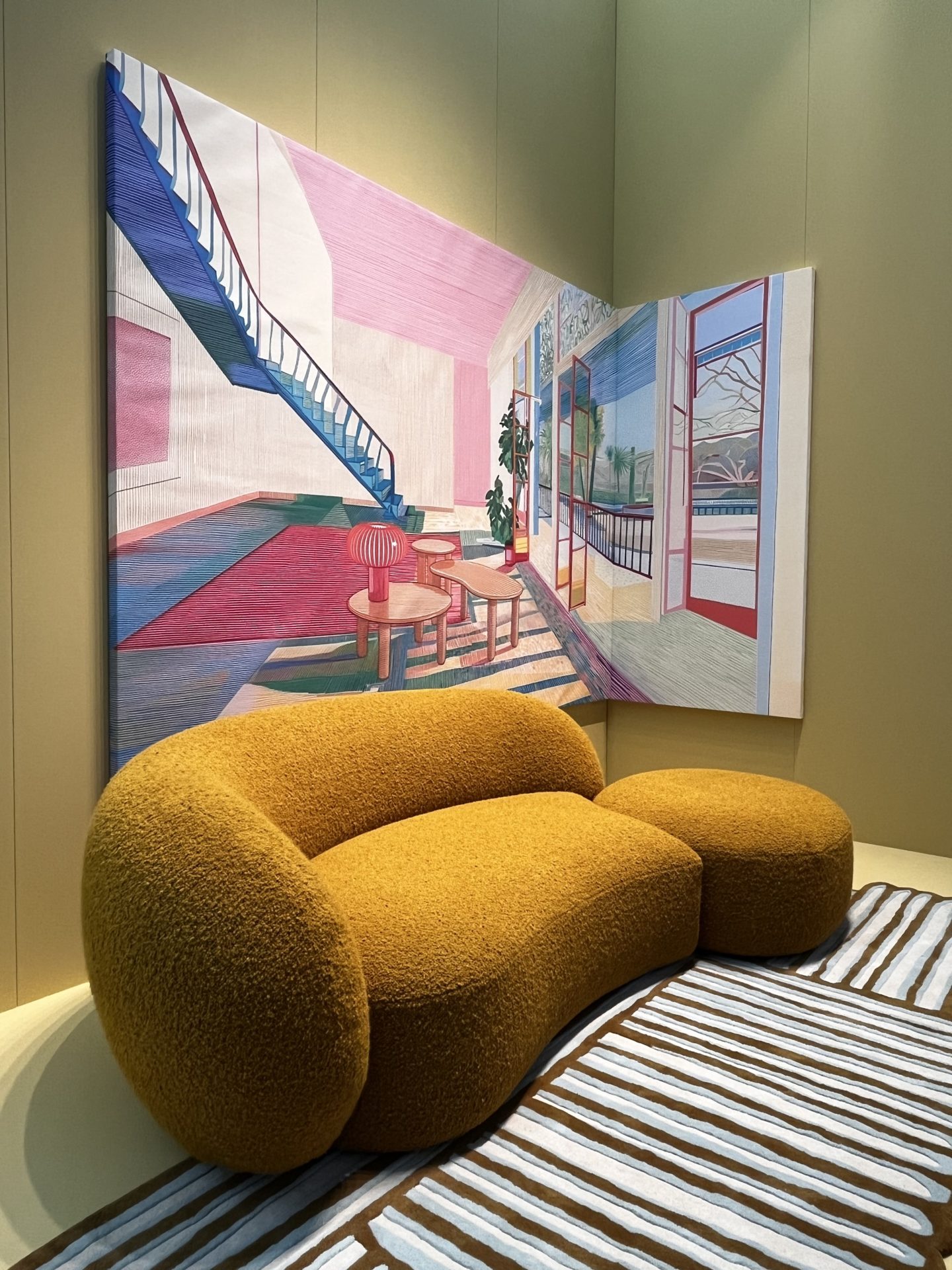
This year’s Milan Design Week once again proved that the world of design has definitively moved beyond restrained minimalism and neutral “safe space” aesthetics. Across Salone del Mobile and Fuorisalone exhibitions, we experienced a much bolder, more emotional and character-driven design language — rich colours, sculptural forms, layered materials and interiors unafraid of theatricality. Alongside the long-dominant beige palettes, Japandi influences and sterile modernism, a more eclectic and emotionally charged aesthetic is clearly returning: one that draws inspiration from the elegance of the turn of the century through to the freedom of postmodern design from the ’70s, ’80s and ’90s — all reinterpreted through a contemporary lens.
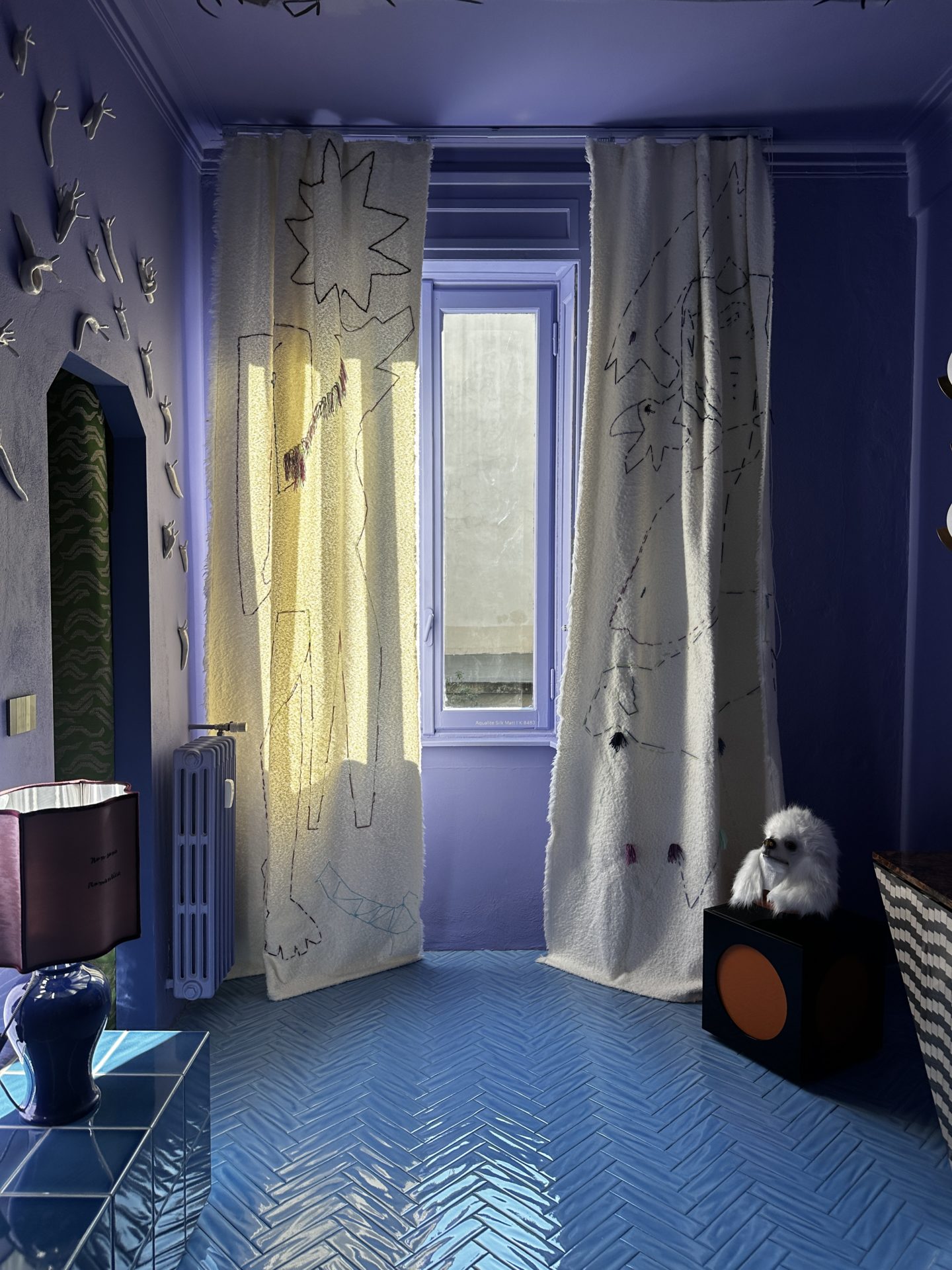
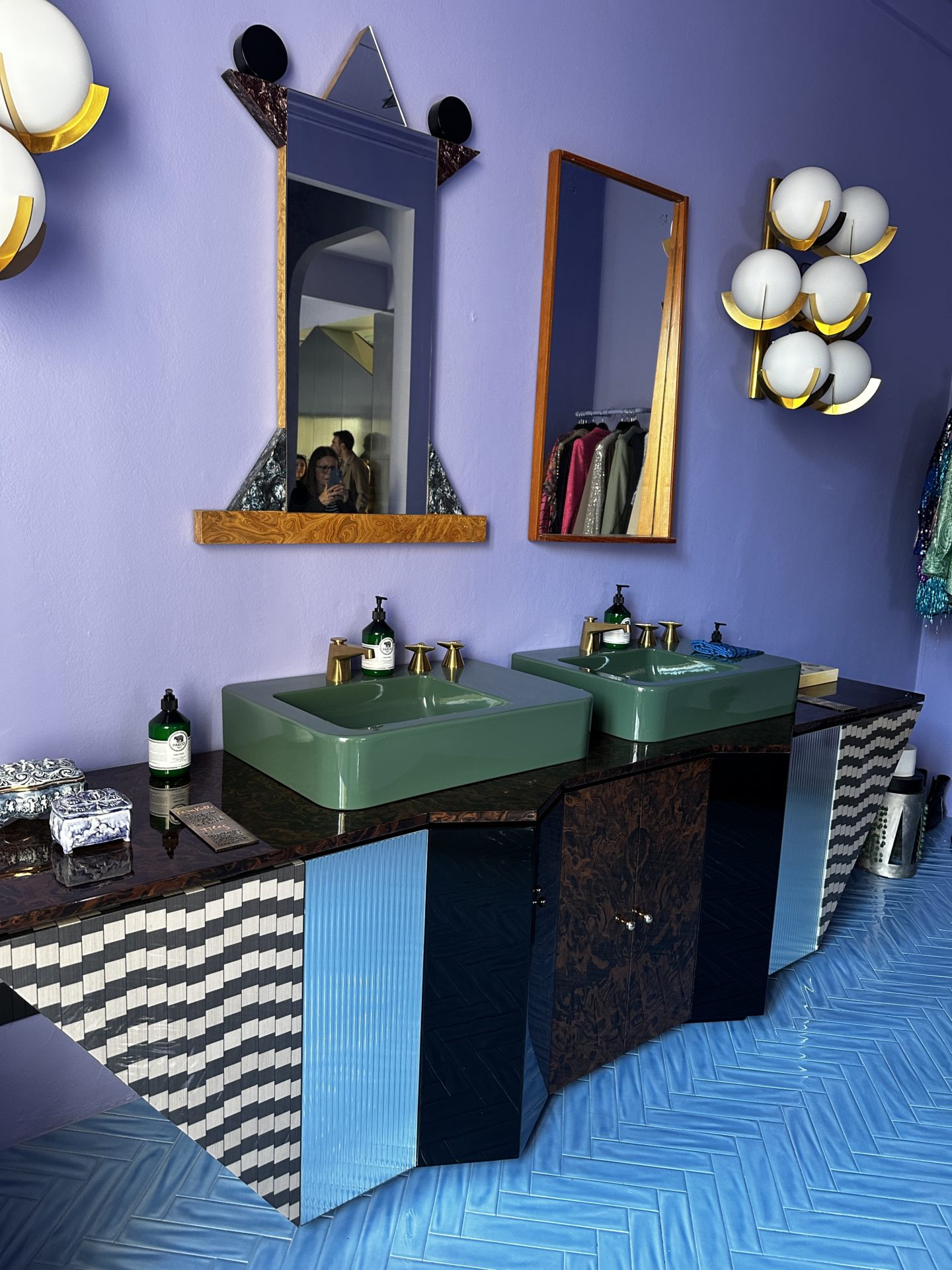
Our arrival on Sunday already set the tone for the week. One of the first stops was the iconic Casa Ornella, a recurring favourite that reinvents itself every year. This year’s interior immersed visitors in a cinematic atmosphere of purple, deep blue, gold and black tones, where exaggerated forms and fearless stylistic combinations created a playful yet provocative environment. Casa Ornella continues to feel less like a traditional exhibition and more like an emotional and visual experiment.
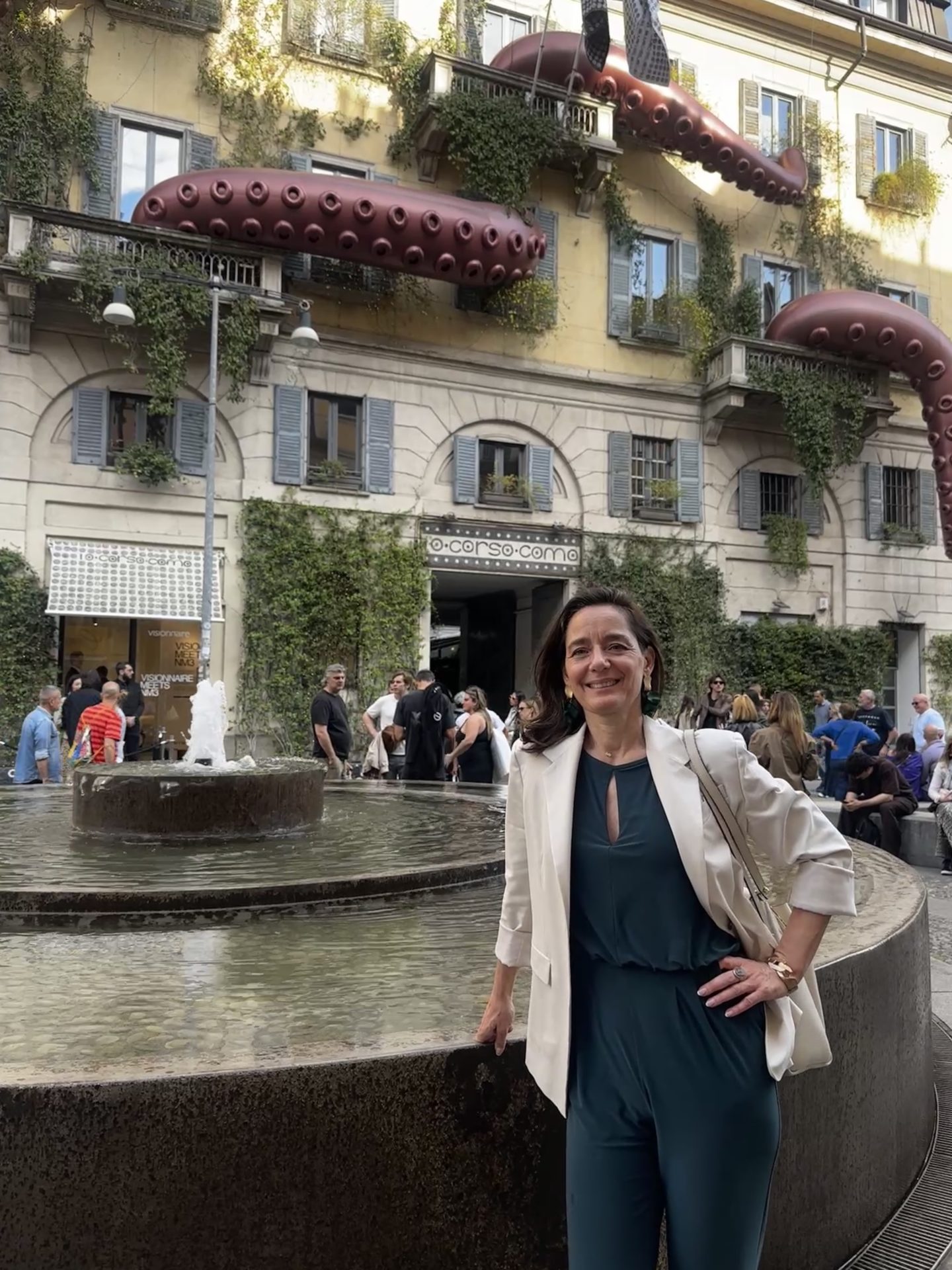
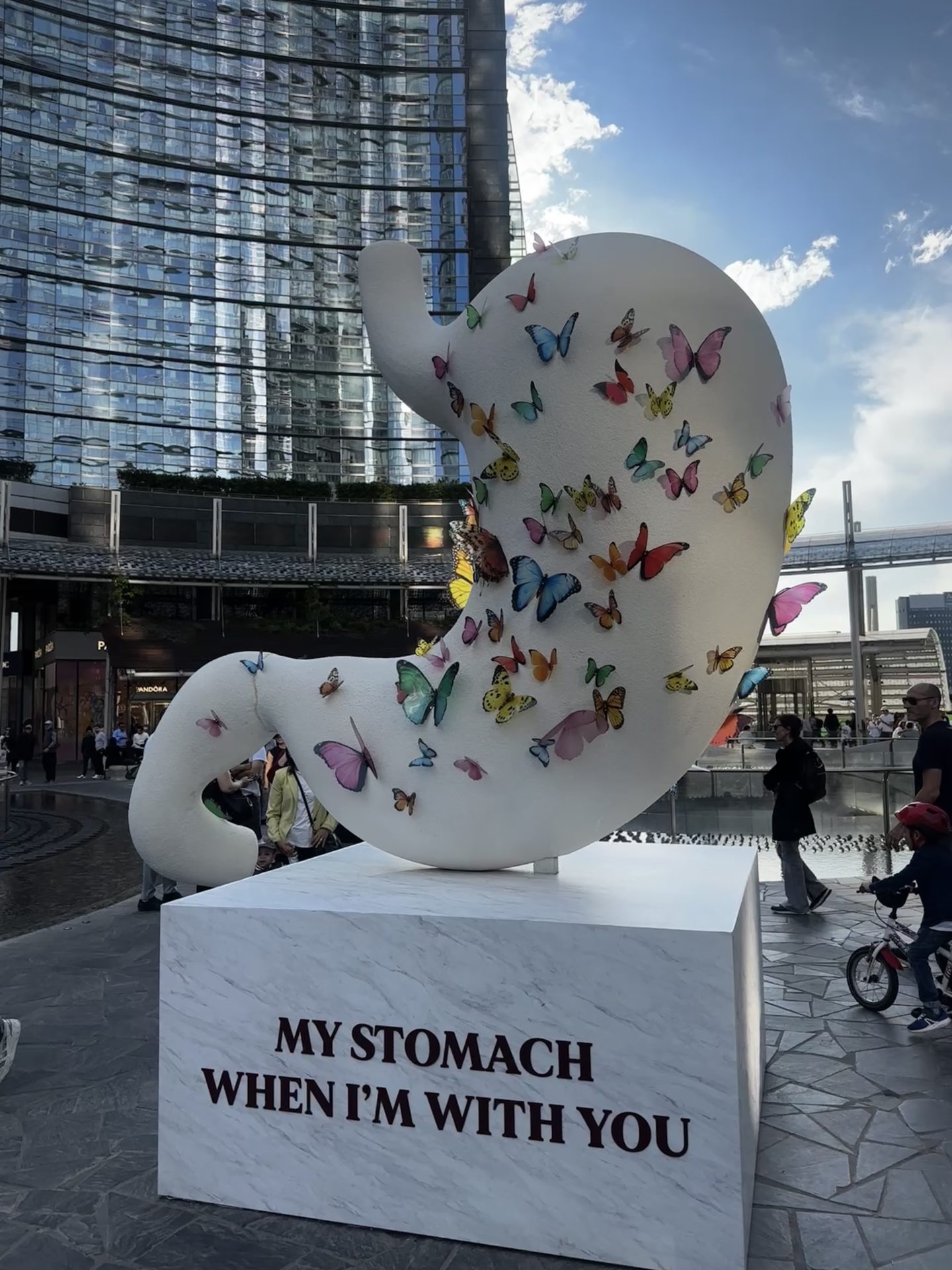
On the same day, Eszter also visited Moncler’s monumental installation, where a giant organic structure almost completely consumed the building’s interior spaces. In contrast, the installations at CityLife Shopping District approached design in a lighter and more interactive way, using playful sculptures and personalised messages to reflect on human emotions and connections.
One of the most special experiences of our Monday was Palazzo Visconti, where we were fortunate enough to enter before the official public opening. Exploring the almost empty palazzo created a truly unique atmosphere, allowing us to experience the Migliore + Servetto and Neutra installations in rare calm and intimacy. The dialogue between the historical setting and contemporary design felt especially inspiring here.
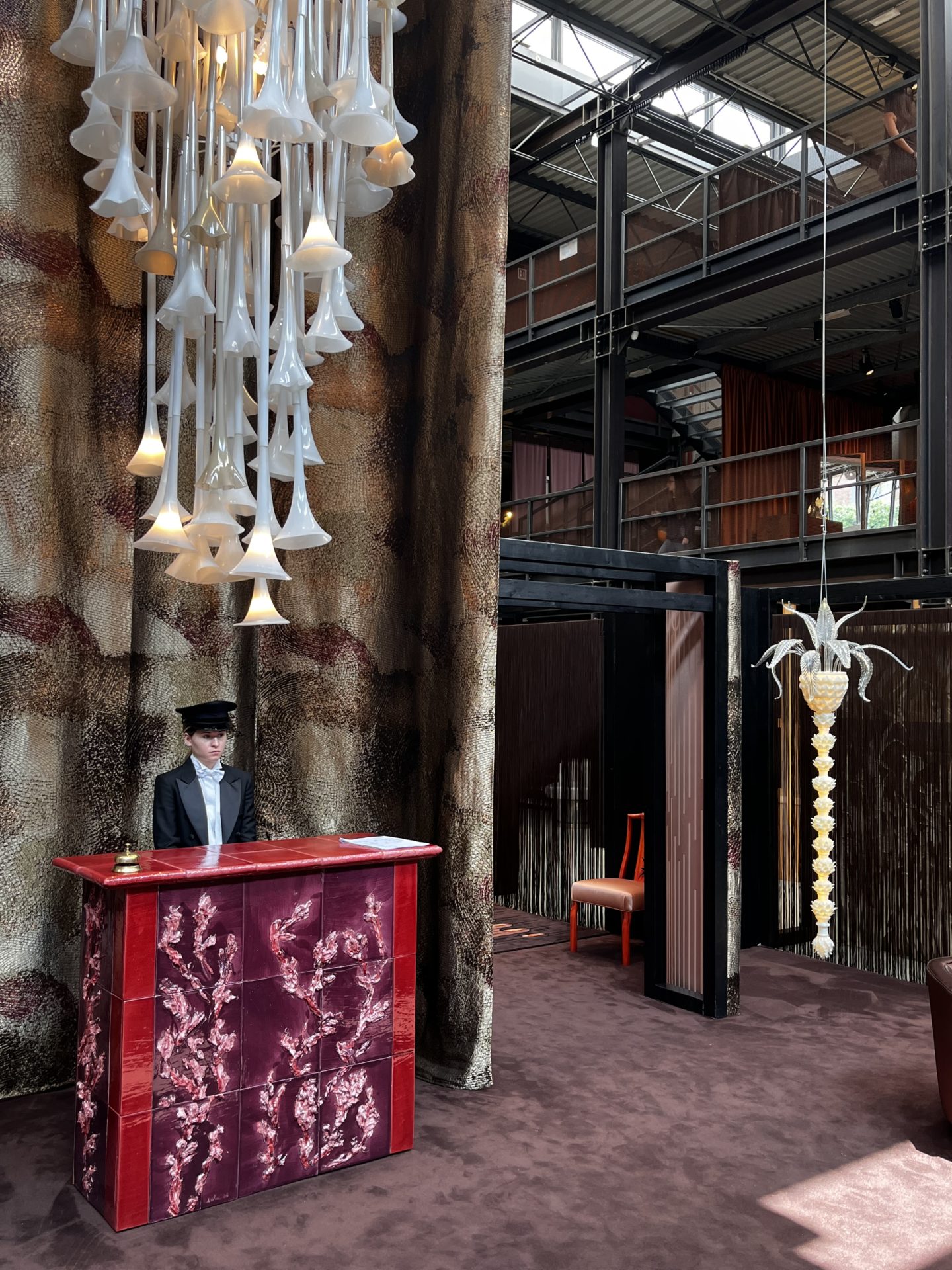
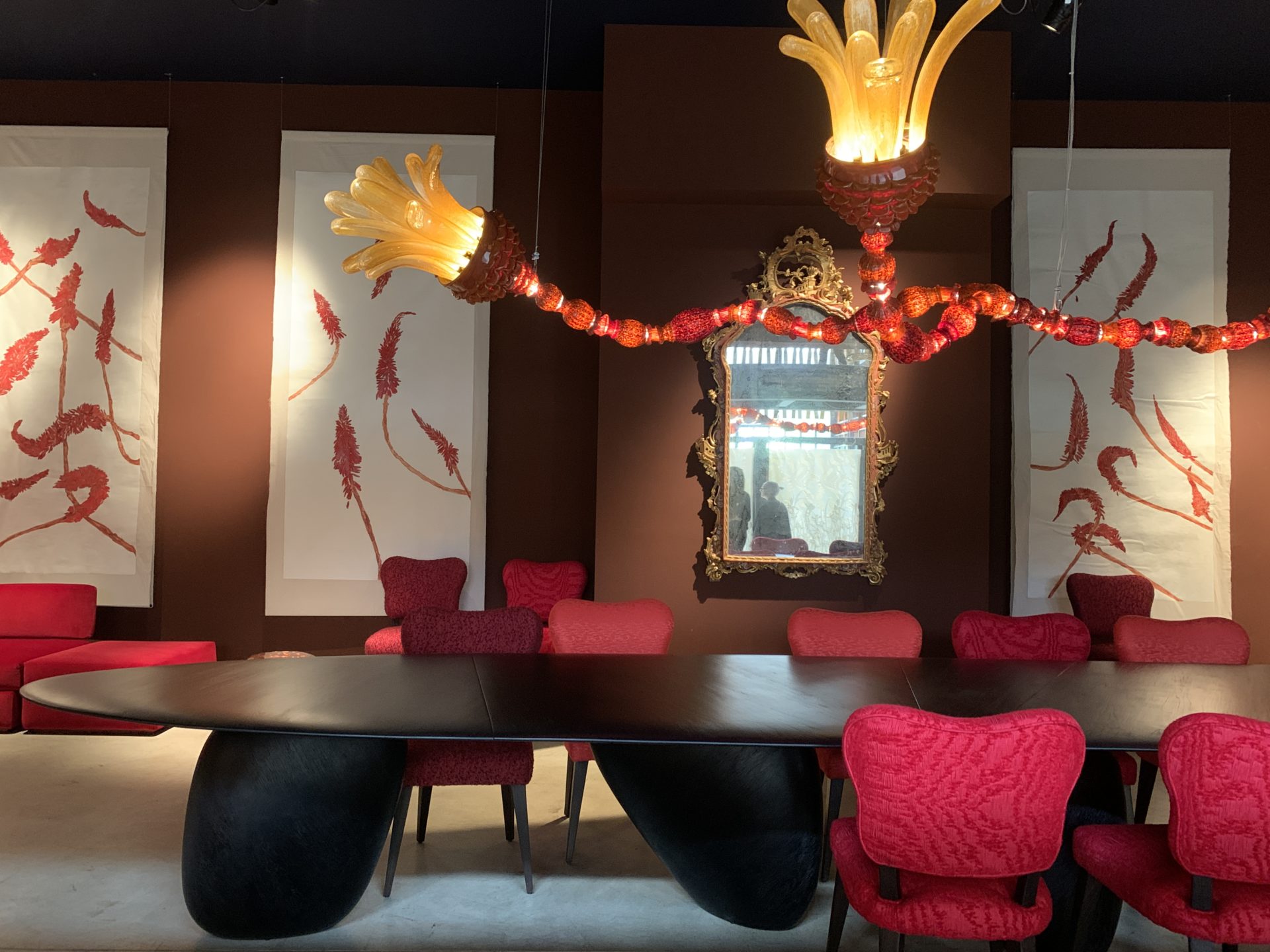
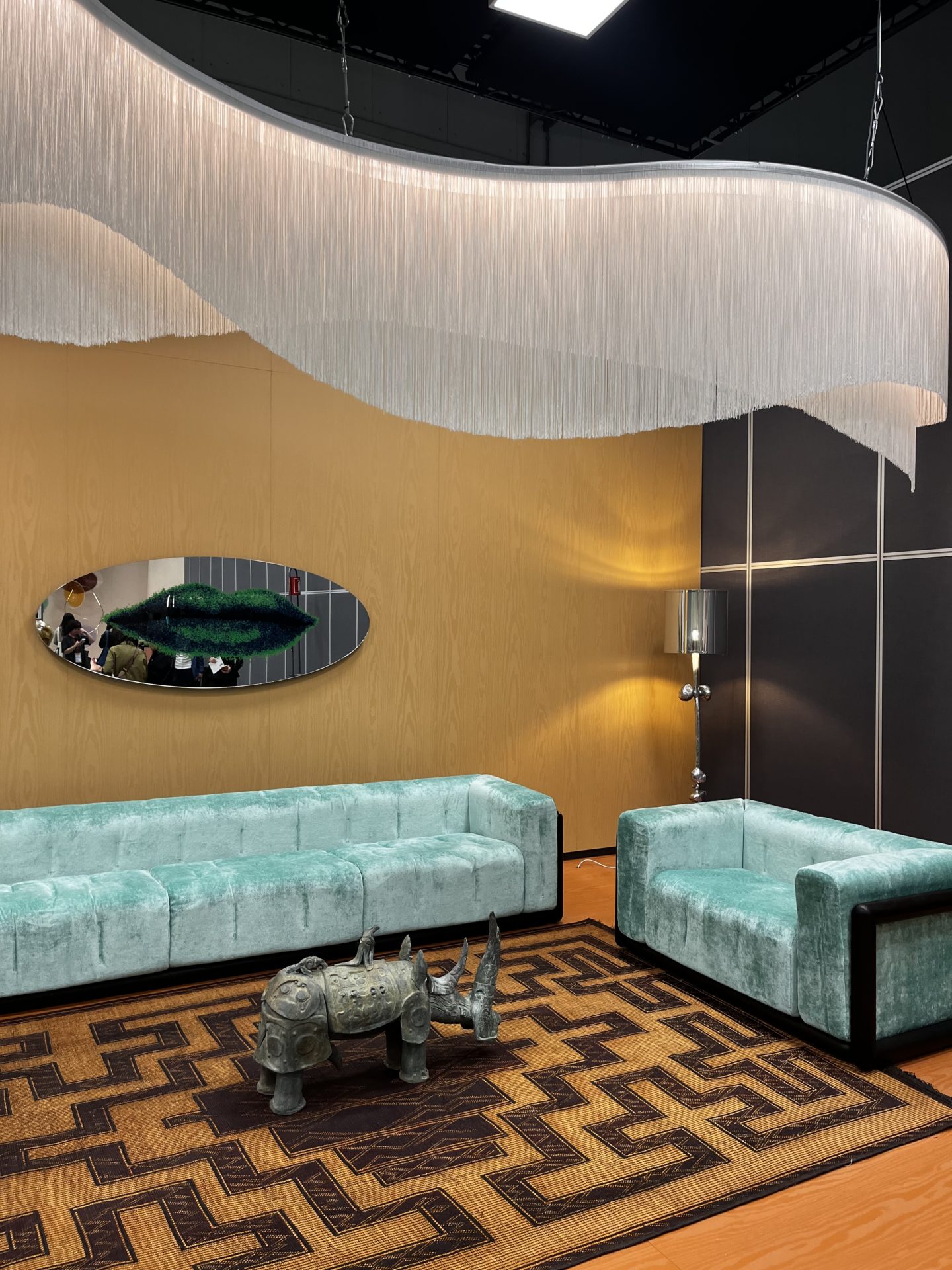
Nilufar Grand Hotel once again delivered one of the strongest curatorial experiences of the week. Nina Yashar’s concept unfolded like a cinematic world made up of layered textures, vintage references, sculptural furniture and contemporary pieces. Every room functioned as its own aesthetic micro-universe while still contributing to one cohesive narrative.
We also revisited Rossana Orlandi’s legendary exhibition space, where experimental materials and conceptual design approaches remained strongly present this year as well. Palazzo Litta was another memorable highlight, where monumental installations and the striking pink labyrinth in the courtyard created a dramatic contrast against the historic architecture. Later that evening, we hosted a partner event at Adrenalina Bar, where we tasted cocktails inspired by different furniture collections.
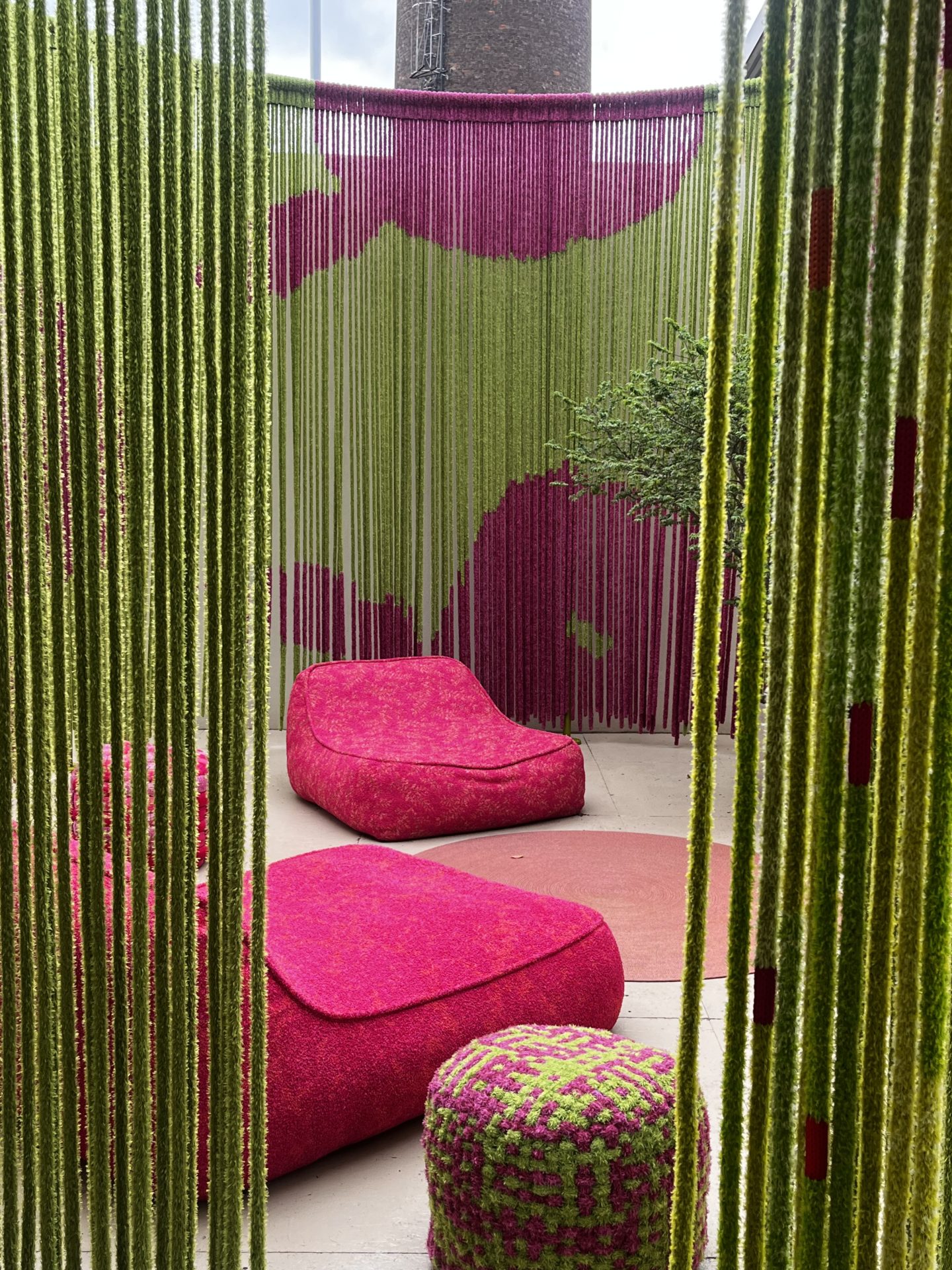
Paola Lenti’s showroom remains one of the true highlights of Milan Design Week every year. The DIALOGHI exhibition transformed colours, textiles and woven textures into a bold yet harmonious visual language, while the outdoor collections brought a refreshing sense of curiosity and playfulness.
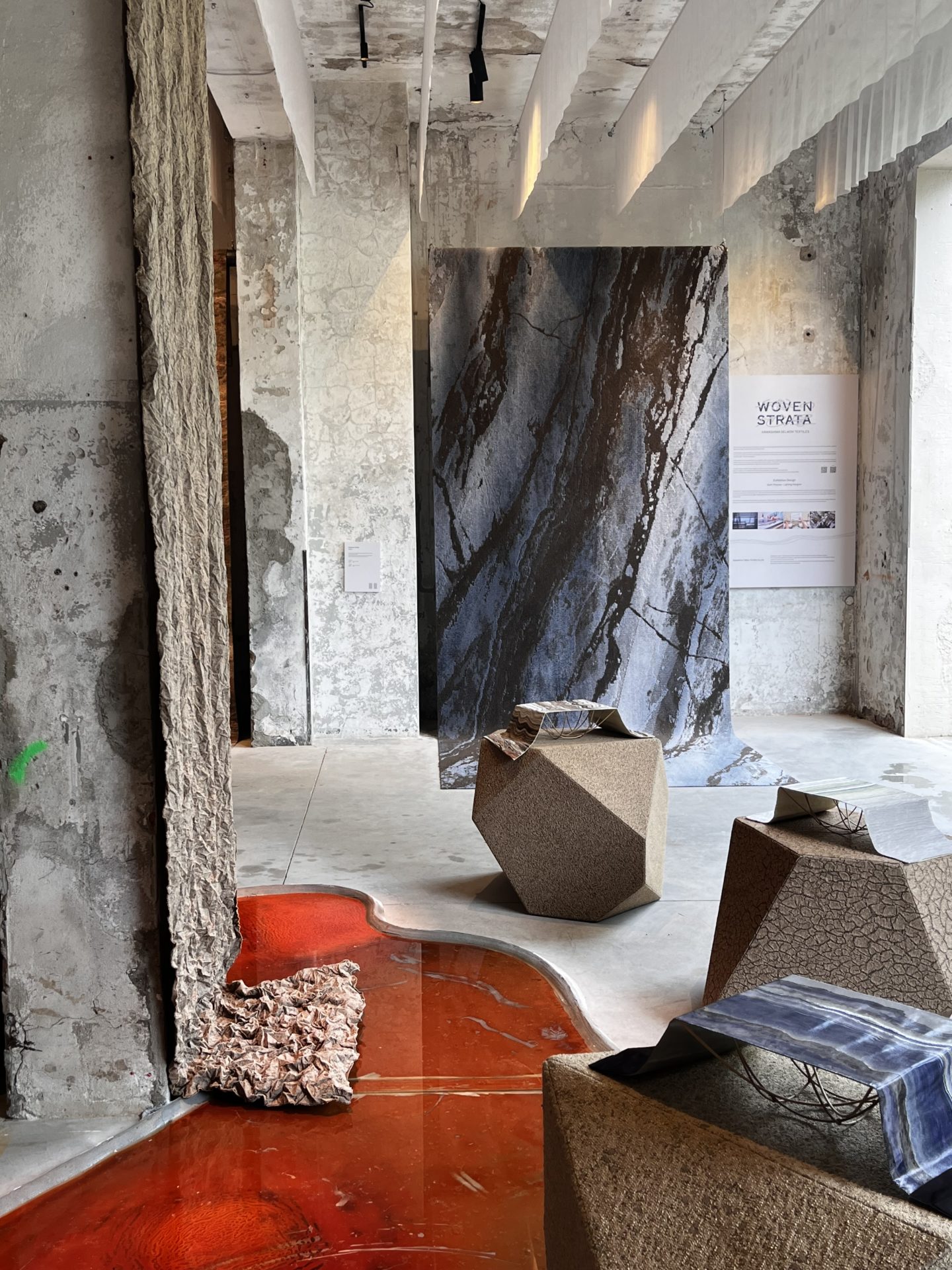
Among this year’s material and technological innovations, two particularly stood out to us: FMG & Iris’ carpet-inspired ceramic surface and Axor’s fully integrated shower system. Axor’s newest solution creates an exceptionally refined architectural effect by recessing the showerhead and all controls flush into the wall surface, eliminating visual clutter and achieving a highly elegant, high-end appearance.
Kartell’s pavilion offered one of the strongest spatial experiences of this year’s Salone. Visitors first entered what appeared to be an almost empty labyrinth of white walls, where the exhibition gradually revealed itself step by step. As we moved deeper into the space, more objects and artworks emerged, until the entire composition finally came together as one complete visual narrative.
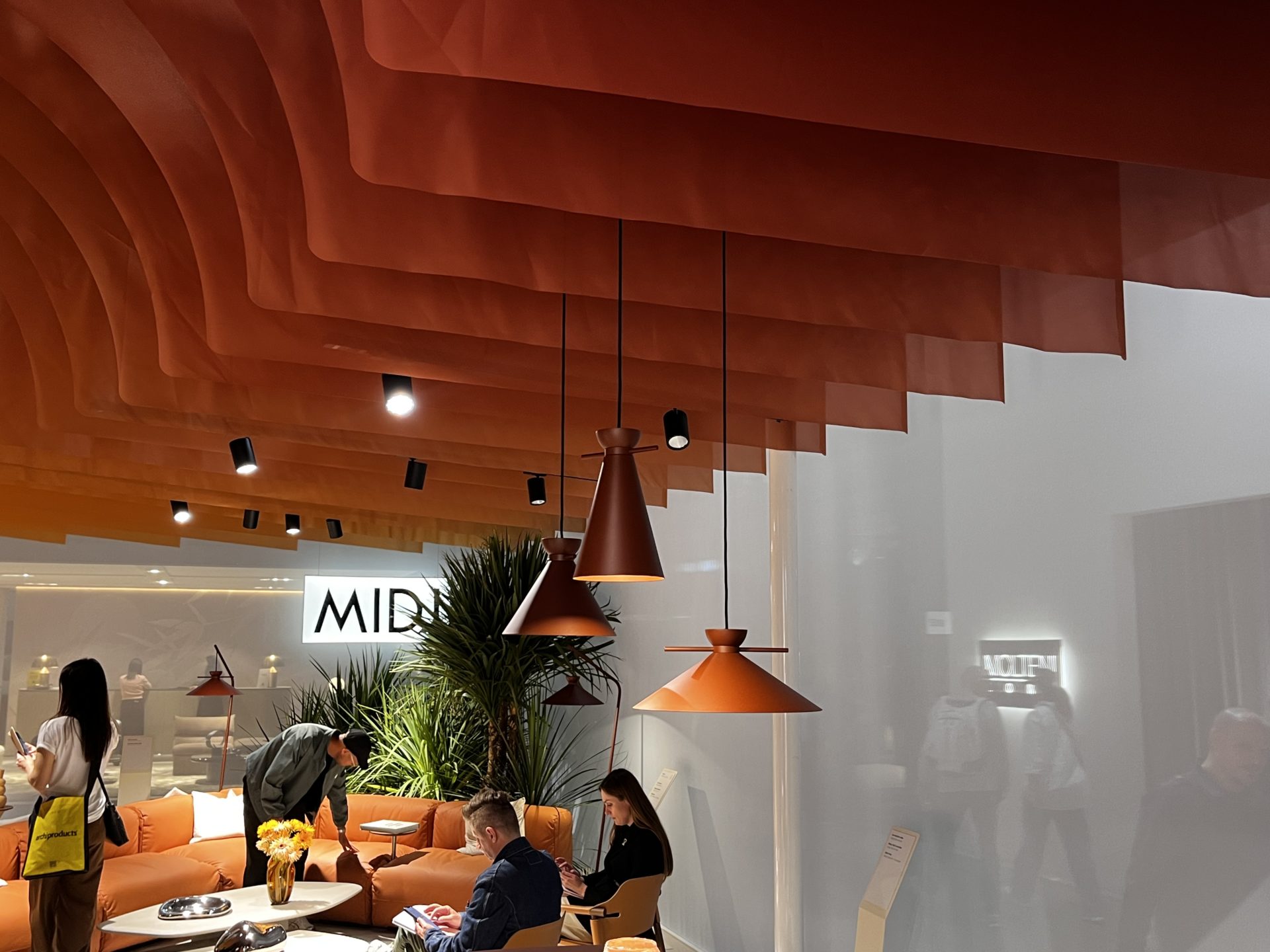
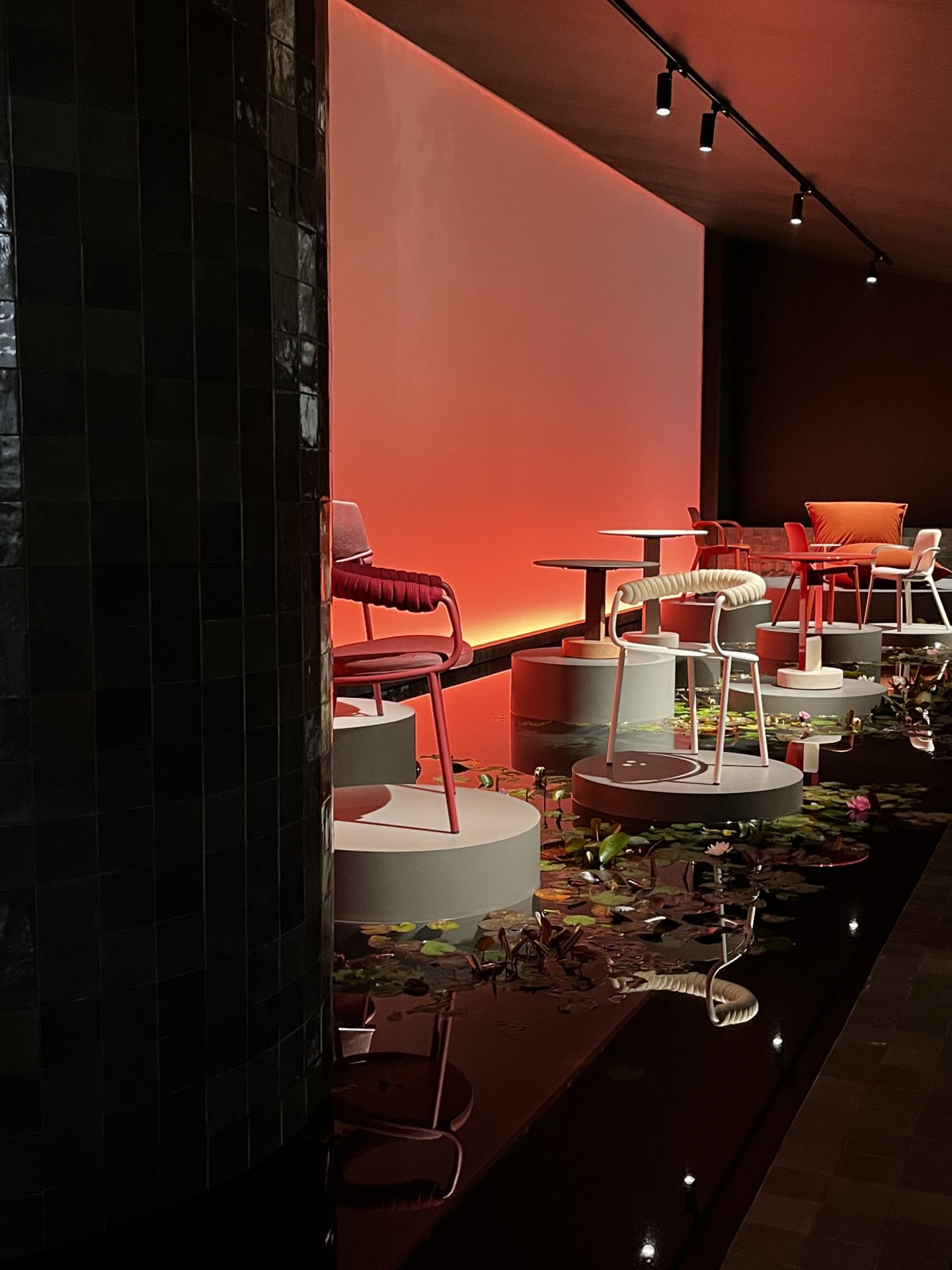
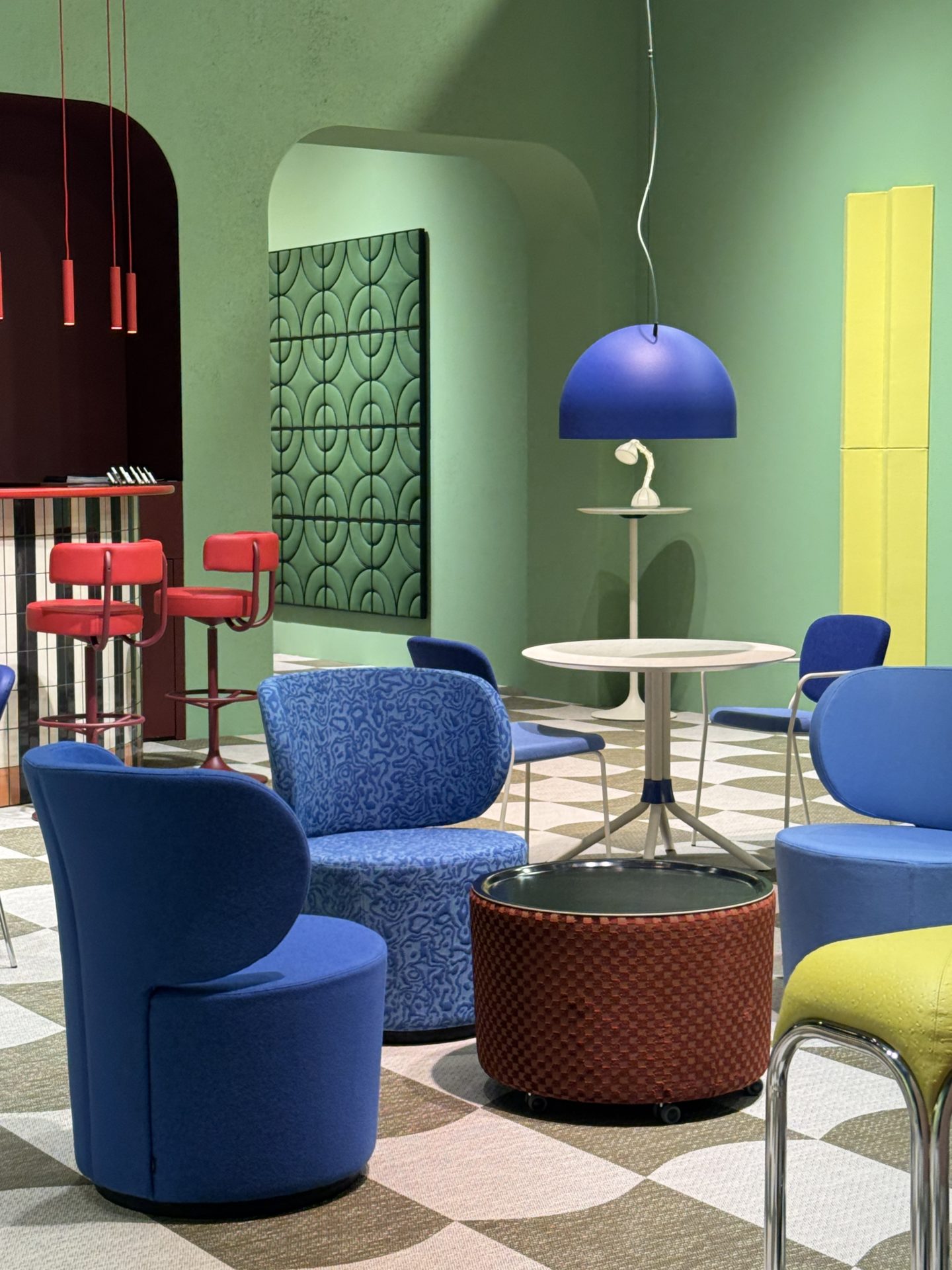
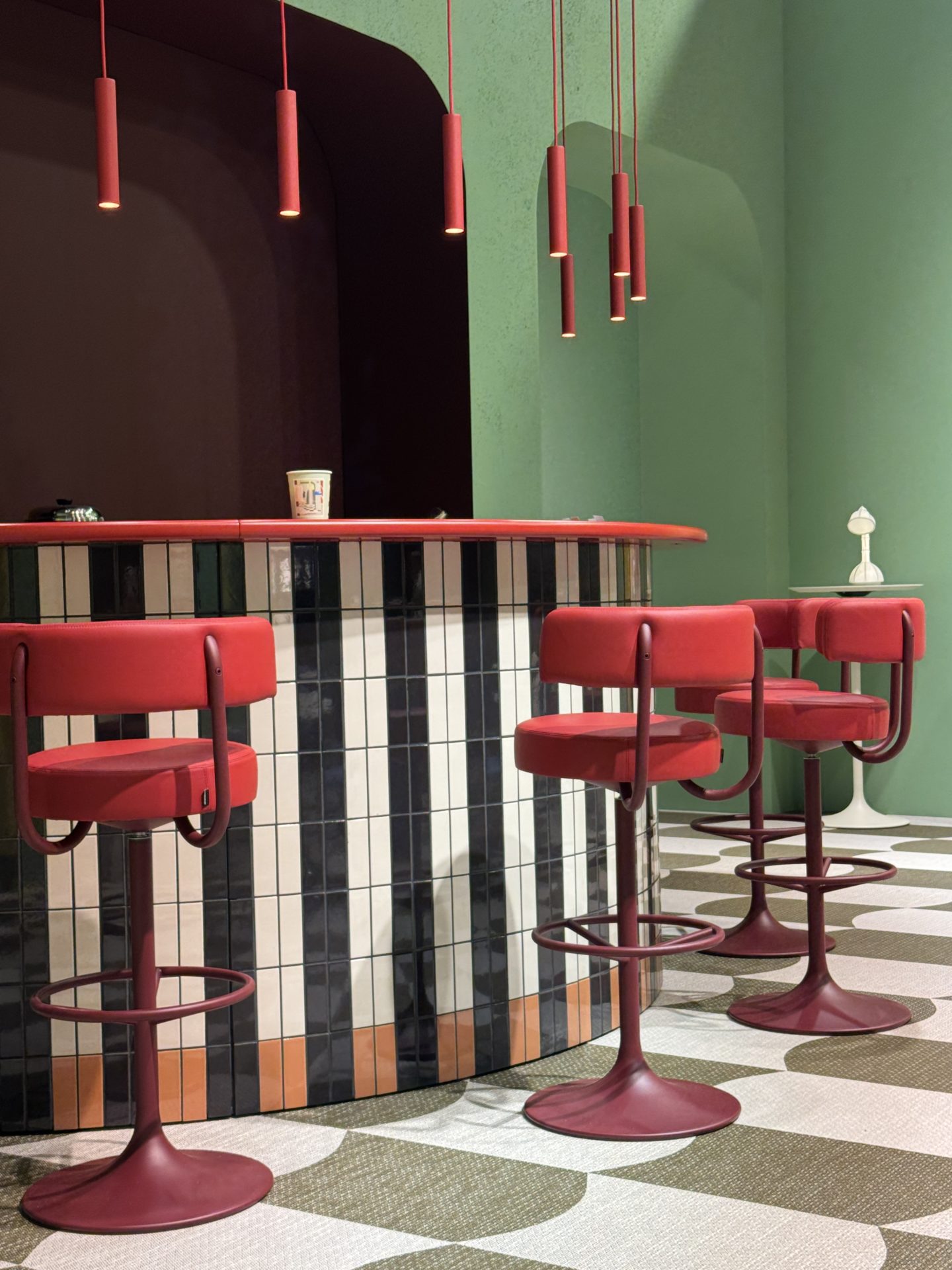
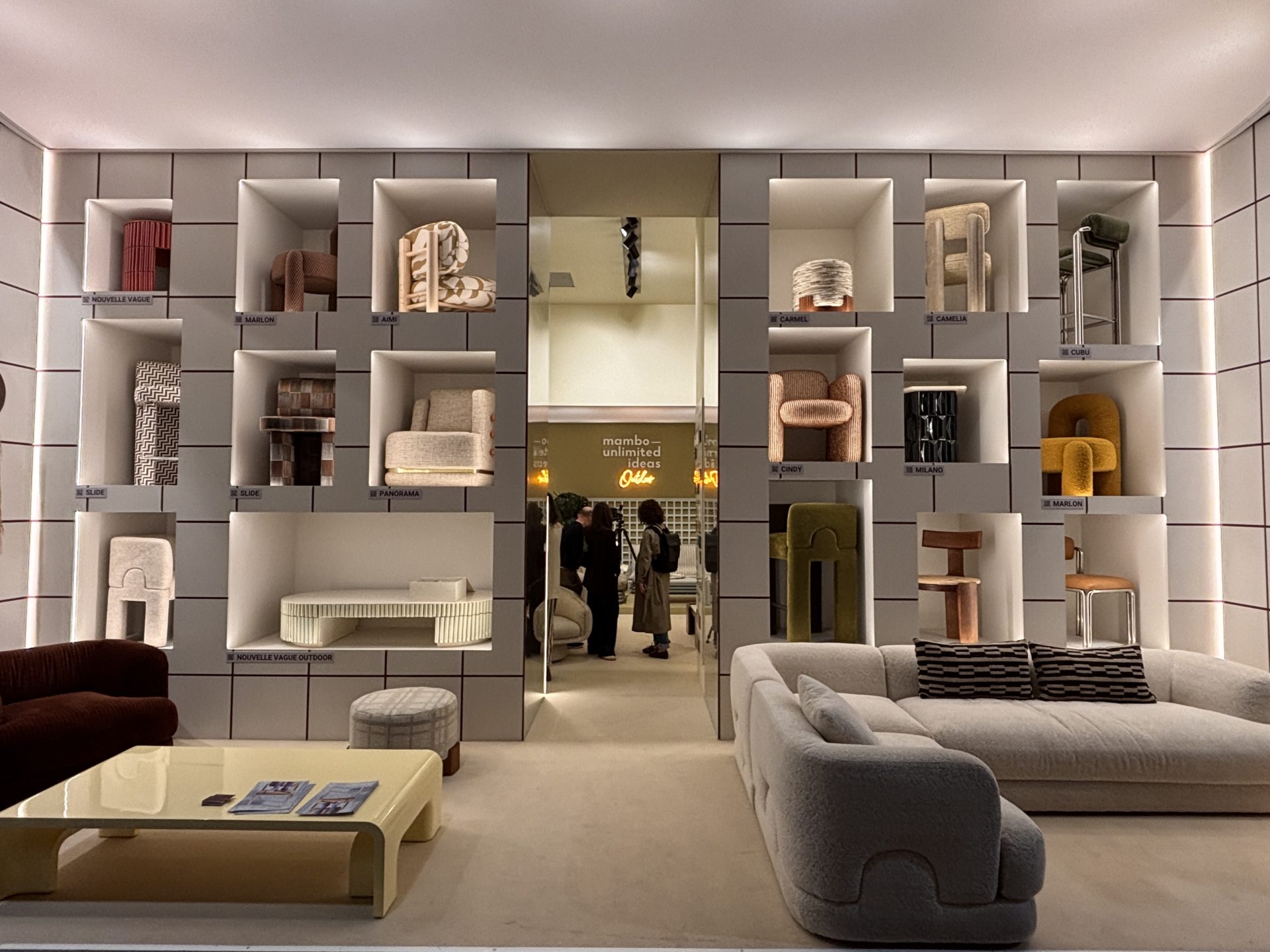
Throughout the week, brands such as Axor, Cielo, Dooq, MIDJ, Sancal and Kartell all reflected the same broader direction within contemporary design: stronger identities, richer materials, sculptural forms and increasingly personal interiors.
One of our favourite discoveries this year was Johanson Design, whose Scandinavian yet highly characterful furniture immediately caught our attention. We were also inspired by the iconic sculptural pieces of WOO, where furniture often felt closer to collectible art objects than traditional functional design.
This year’s Milan Design Week once again confirmed for us that contemporary interiors are no longer afraid of emotion, personality or visual intensity. The interiors of the future will be more layered, more expressive and far more personal — and perhaps that is exactly what will make them timeless.