Cersaie 2026 – When Technology Is No Longer the Focus
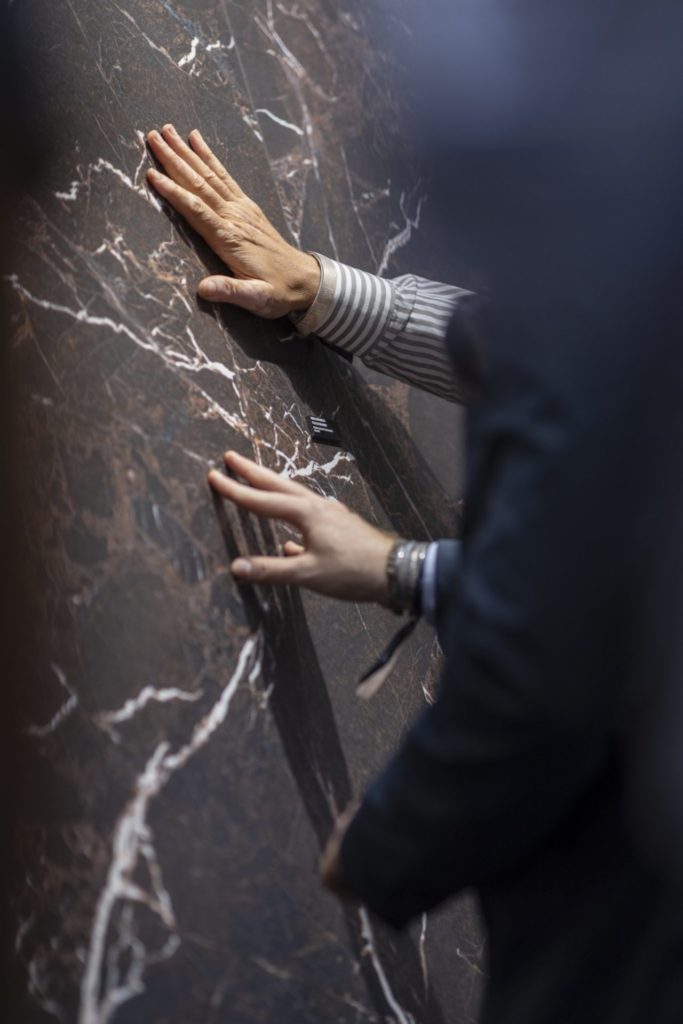
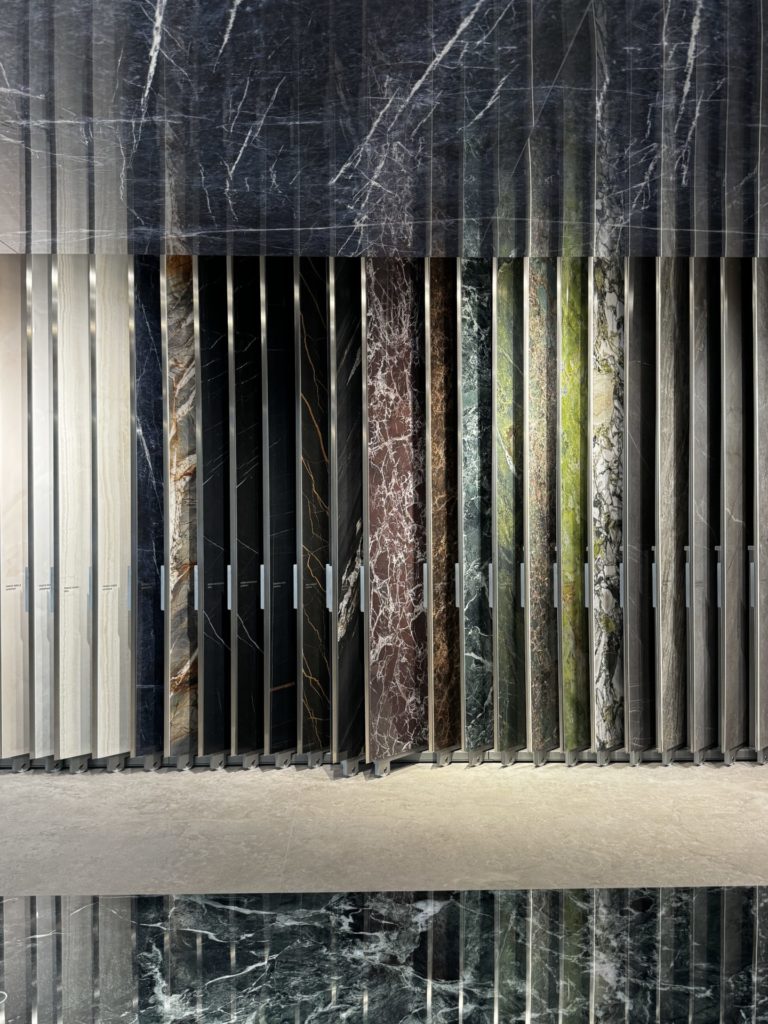
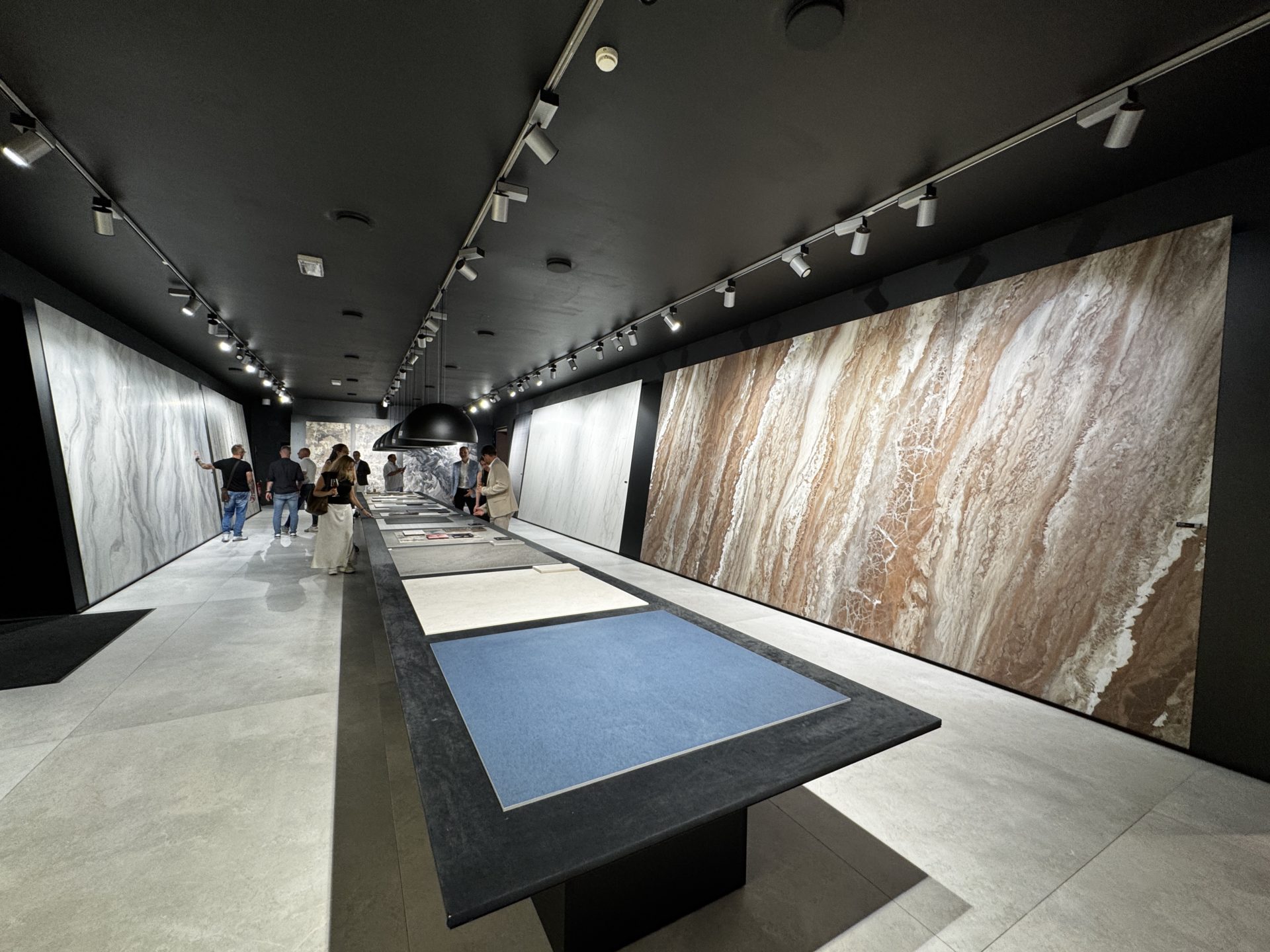
As designers, Cersaie is always about more than just new collections, surfaces, and technologies for our team. We’re also interested in what lies behind them: how a manufacturer thinks about materials, possibilities, and the direction the industry is heading. One of the strongest impressions from this year’s Cersaie was precisely this: technology now makes almost anything possible. The size of large-format tiles, the diversity of surfaces and textures, and the freedom in cutting and finishing open up possibilities that, just a few years ago, were little more than ideas.
That is precisely why the most interesting question today is perhaps not what we can produce, but what we do with the freedom that technology affords us. And this is where design and the designer’s decisions truly come into their own.
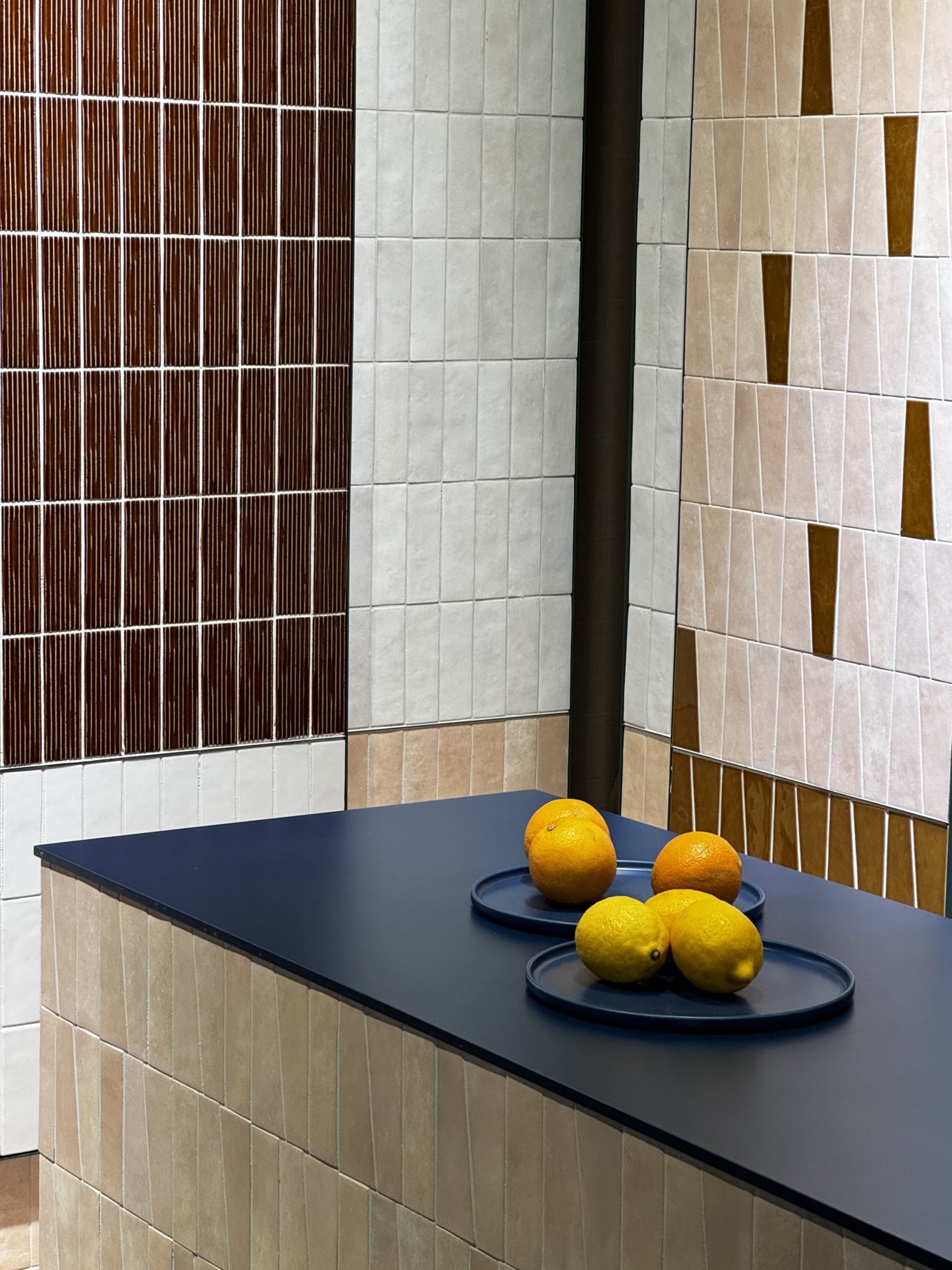
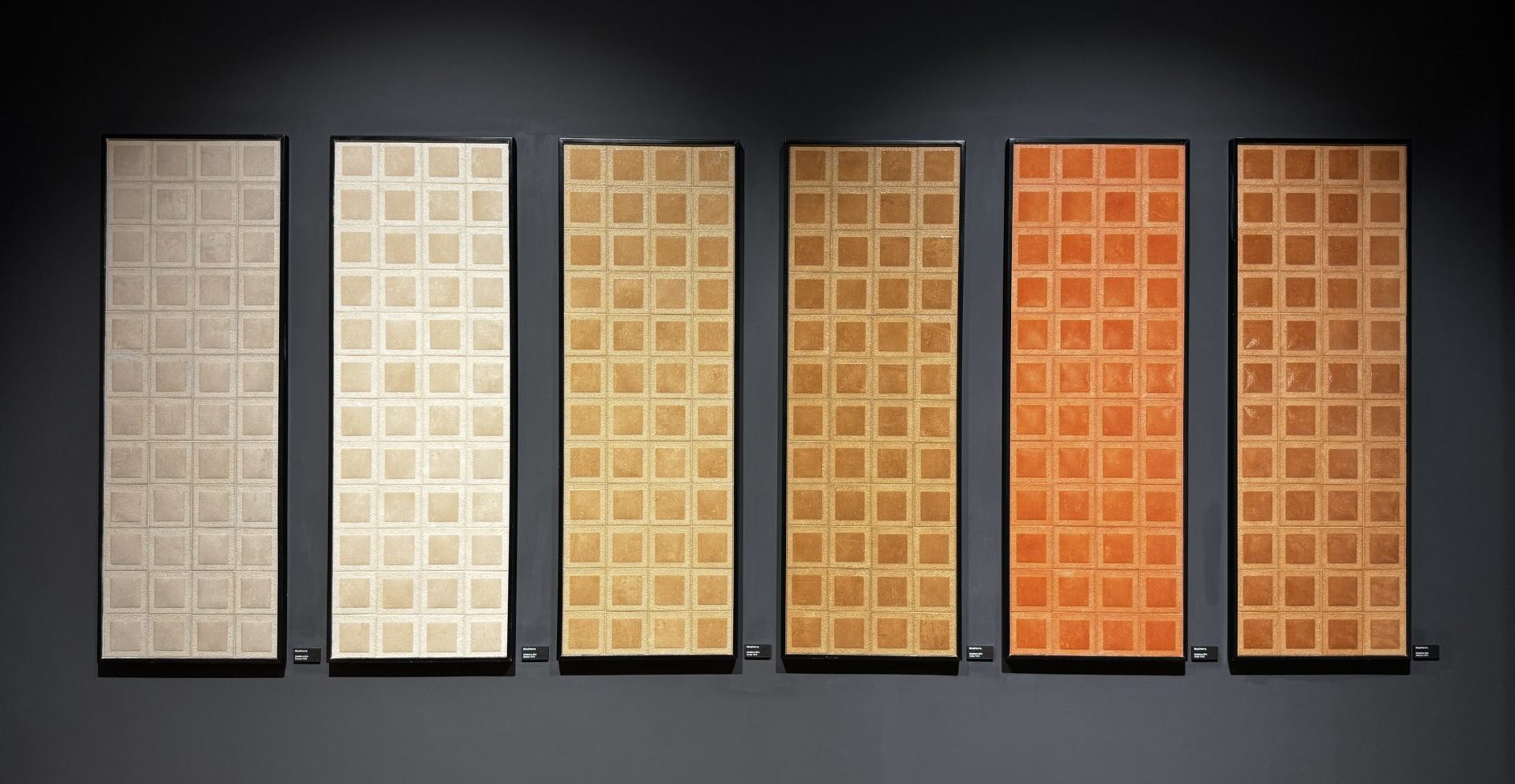
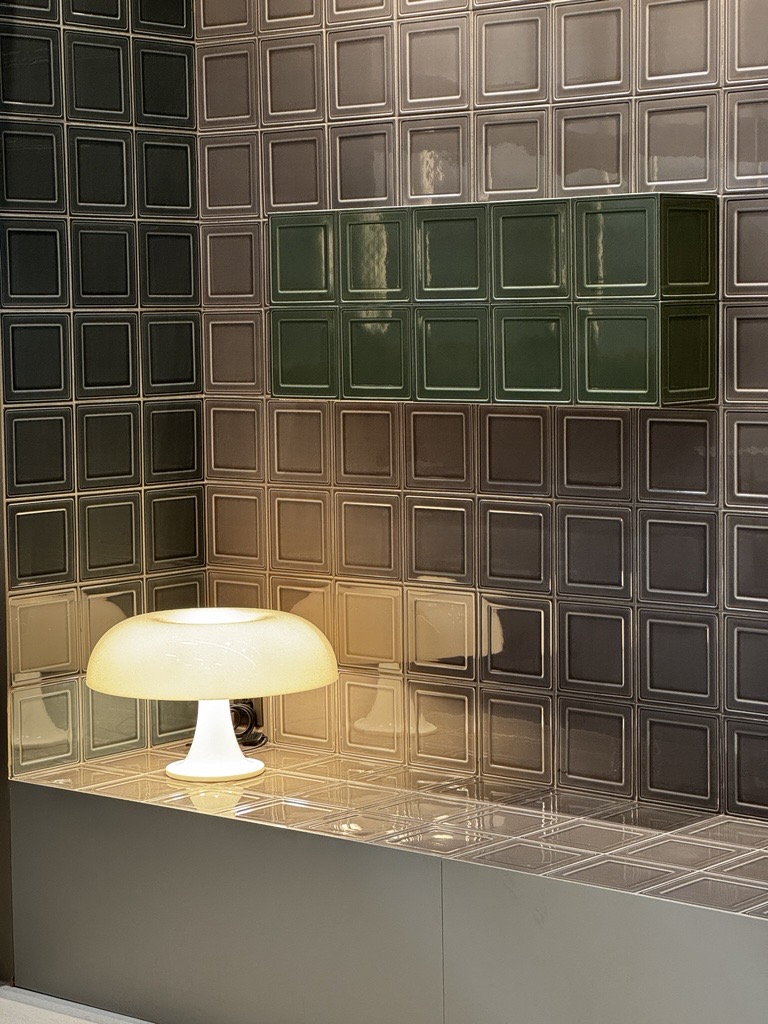
Alongside the former world of grays and beiges, warmer, more natural tones are emerging more strongly: browns, corals, sandy and yellowish shades, as well as various variations of Mediterranean terracotta. Meanwhile, the vibe of the ’70s and ’80s is making a very exciting comeback, not as a nostalgic replica, but reimagined with contemporary proportions, details, and technology. Perhaps even more interesting is the return of small formats.
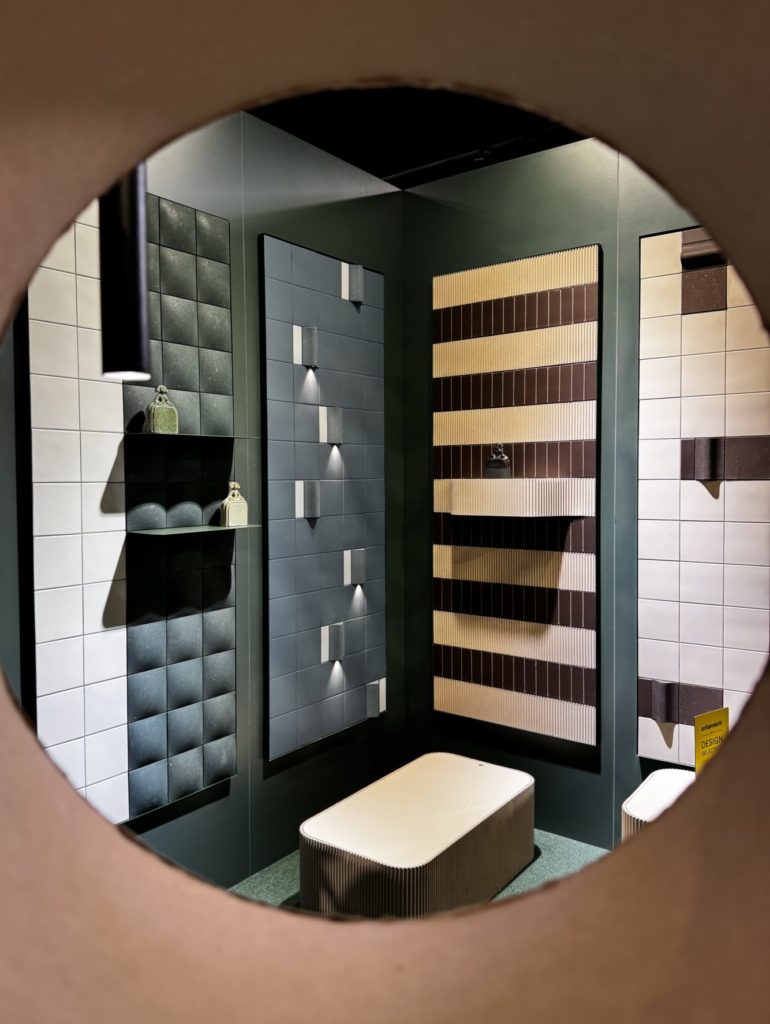
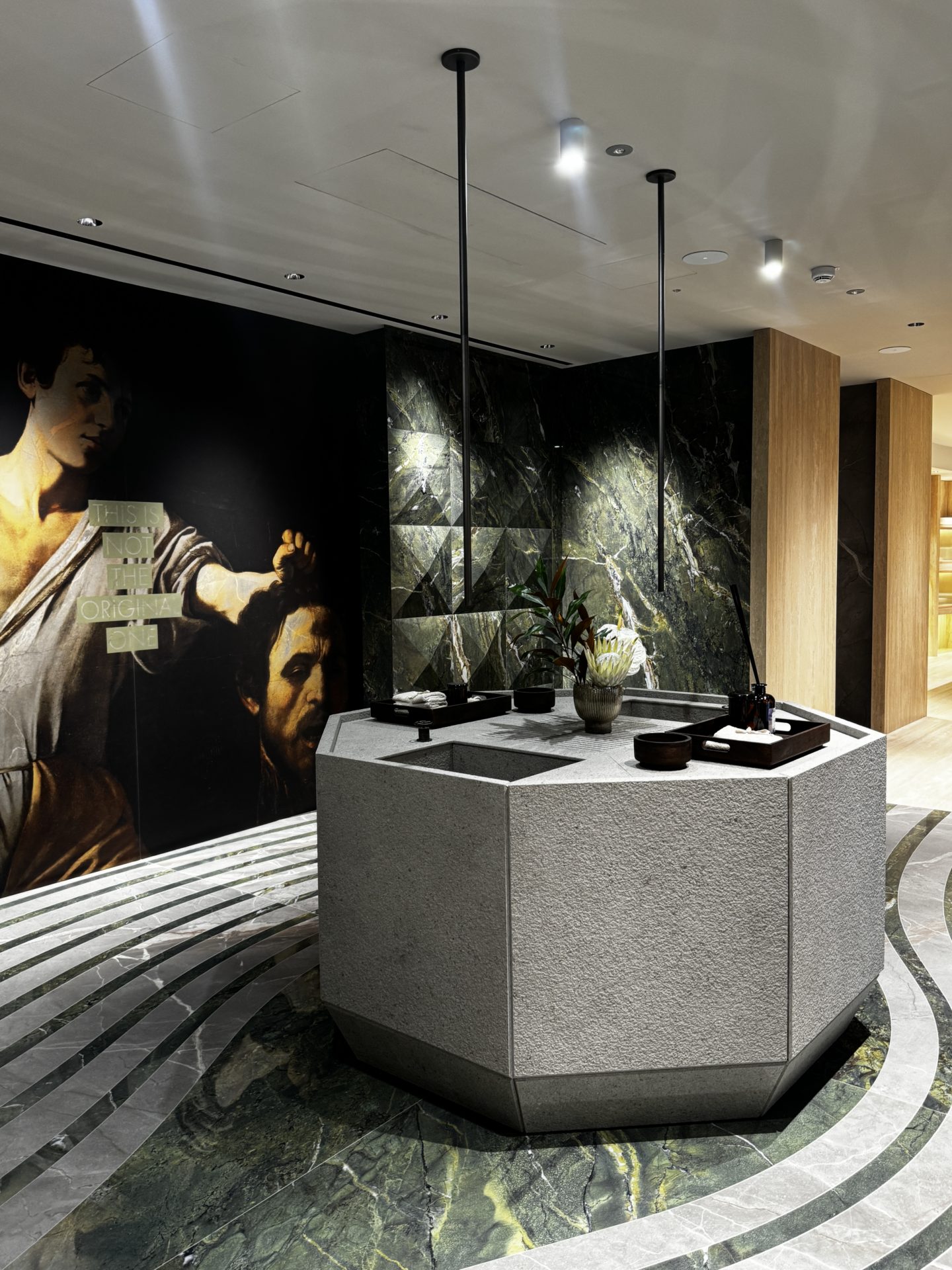
Alongside the precision and nearly perfect surfaces of large-format tiles, the handcrafted look, glazed surfaces, slight irregularities, and imperfections are regaining their value. The grout is no longer simply a necessary technical element, but an integral part of the composition. Rhythm, subtle variations, and the material’s own “signature” lend character to the space. As designers, it is also increasingly important to us that ceramics are gradually moving beyond their traditional role as wall and floor tiles. They can be used to create furniture, countertops, sinks, built-in details, or even an entire space-defining element. With advances in cutting, edge-forming, and machining technologies, large-format tiles now often behave more like a material that can be shaped with extreme precision than like a cladding material in the traditional sense.
For us designers, this is perhaps one of the most exciting directions: when the material is no longer simply “applied” to architecture, but becomes part of the architecture itself. A built-in sink clad in stoneware, for example, represents a completely different way of thinking than a freestanding sink. Form, material, detail, and space merge into a single, cohesive composition.
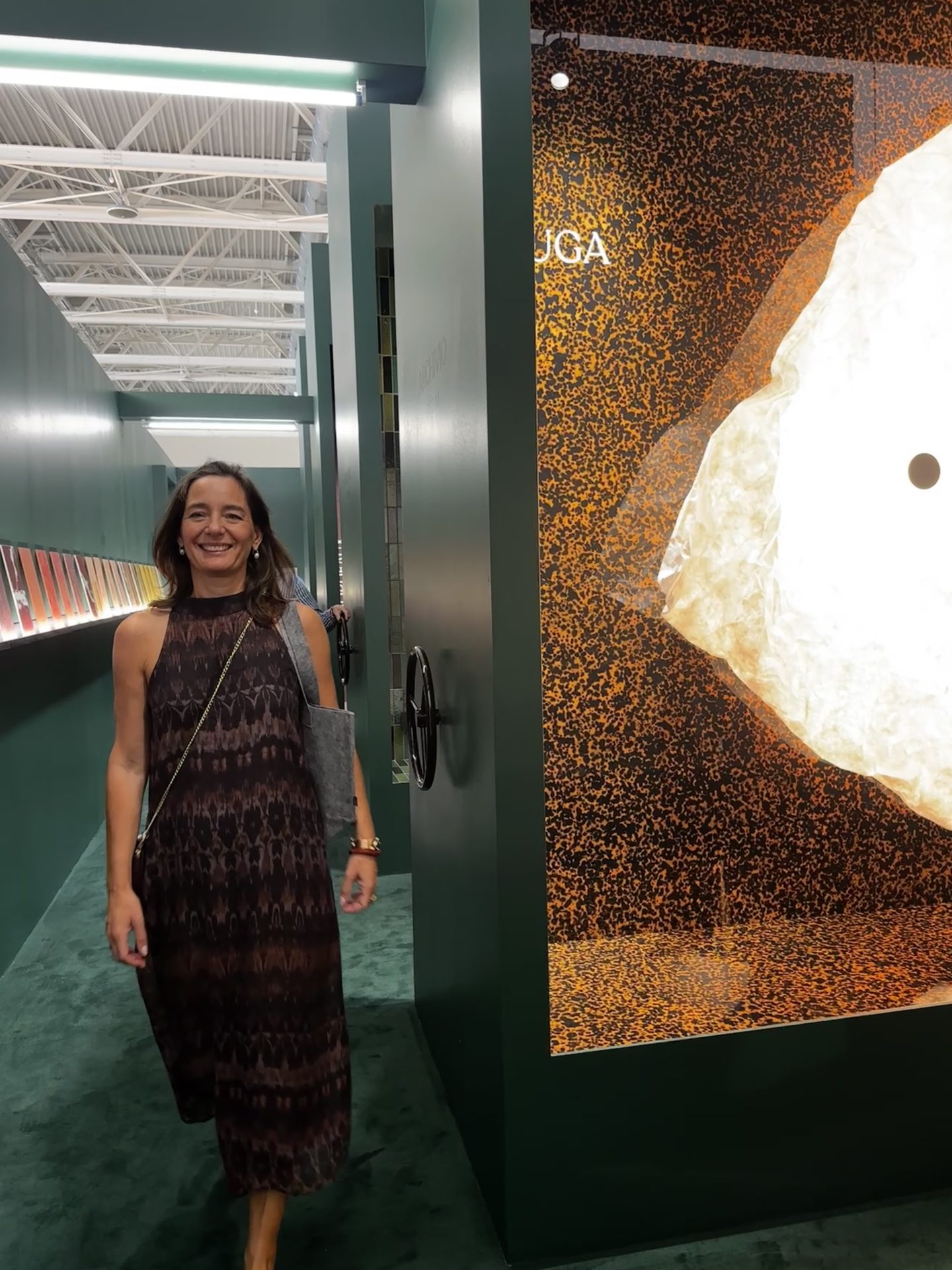
Meanwhile, for us, Cersaie is still not just about trends. The conversations with manufacturers, developers, and other designers are just as important. Getting to know the philosophy behind each brand, comparing the past with the present, and hearing how they envision the coming years often offers more insight than a new collection alone. It is through these encounters that we truly understand why a material is created, what idea brings a technology to life, and how we can use all of this in a truly meaningful way in our own projects. When technology makes almost anything possible, it is ultimately the designer’s decision that becomes truly important once again.