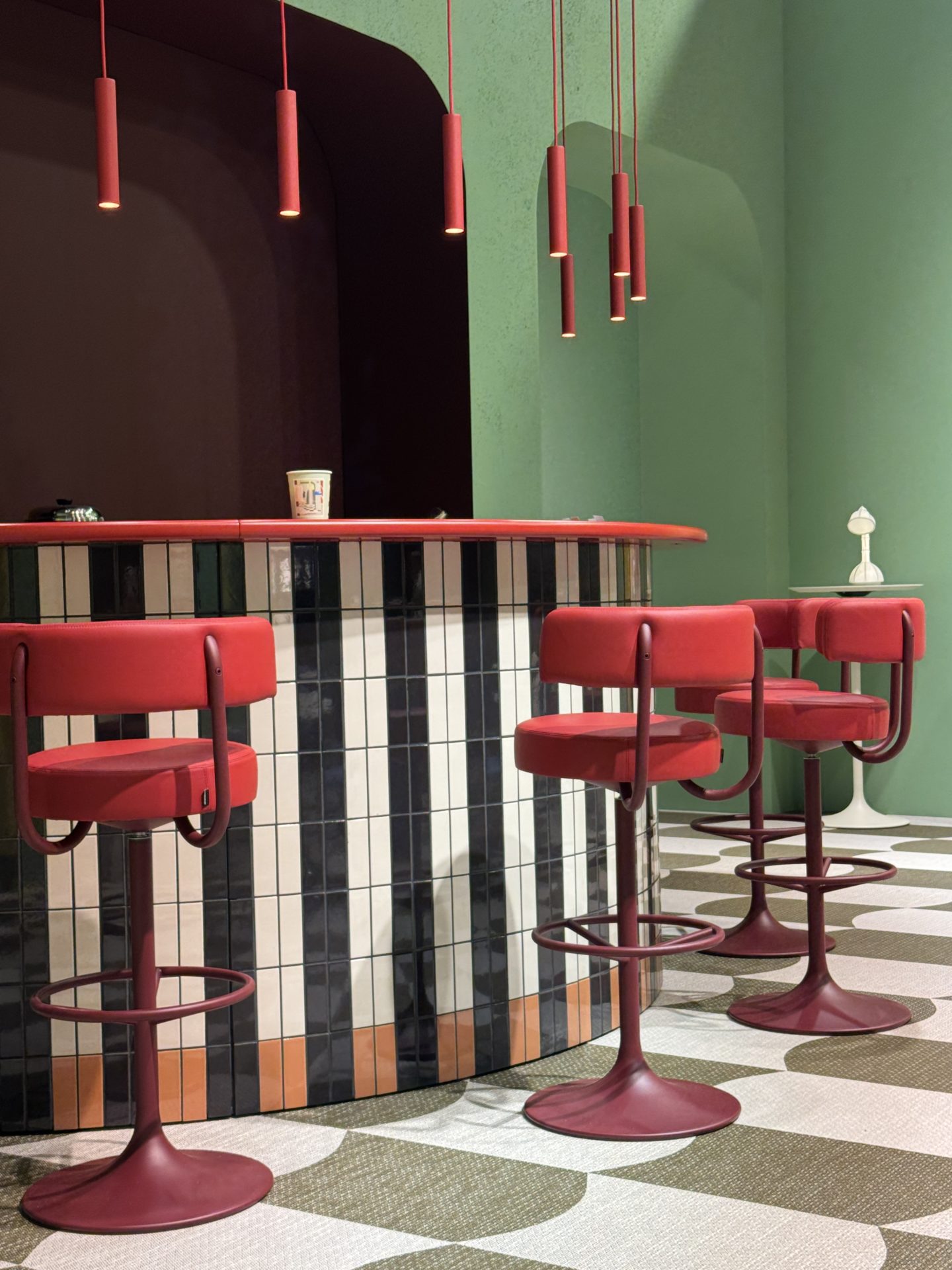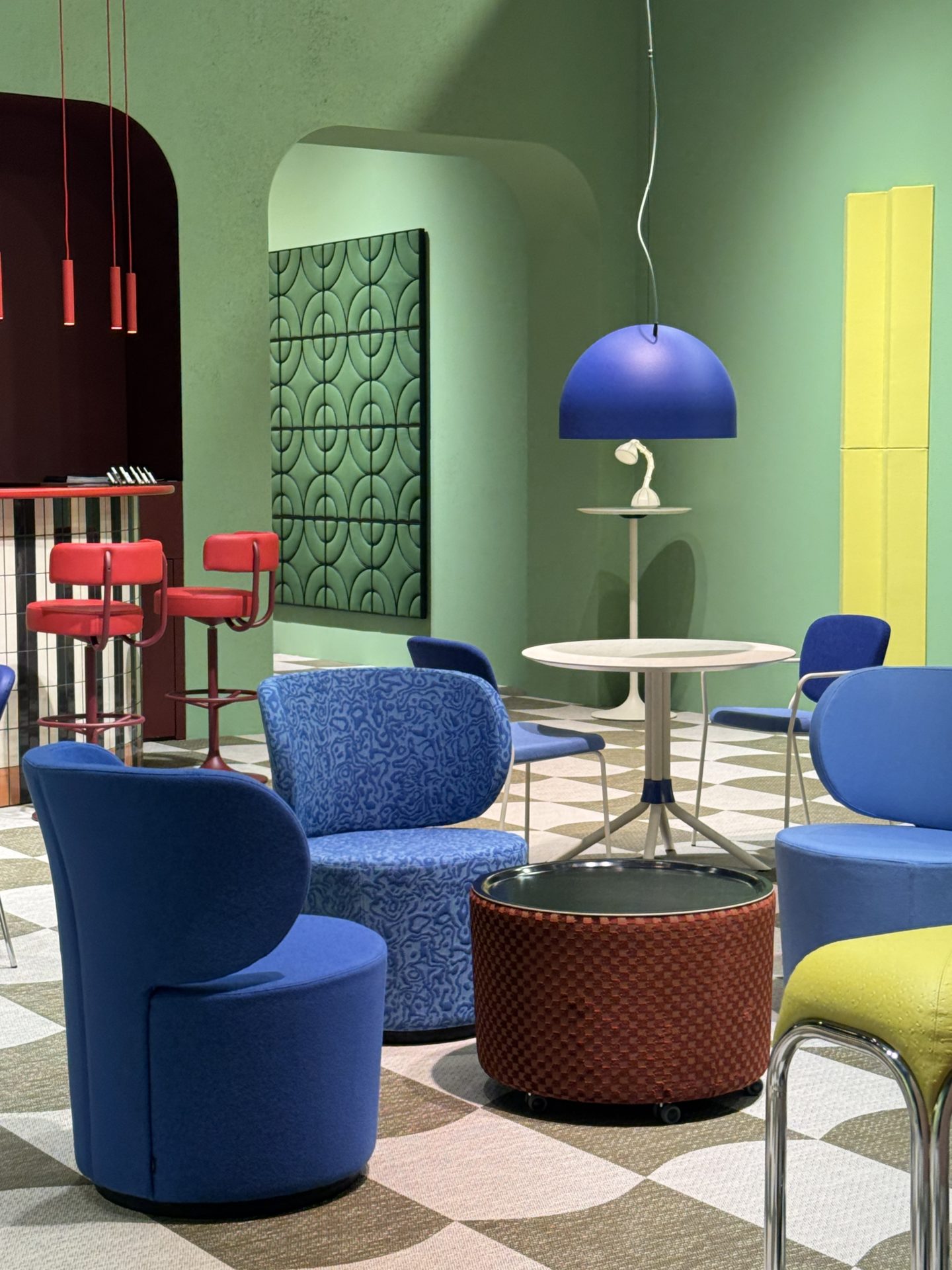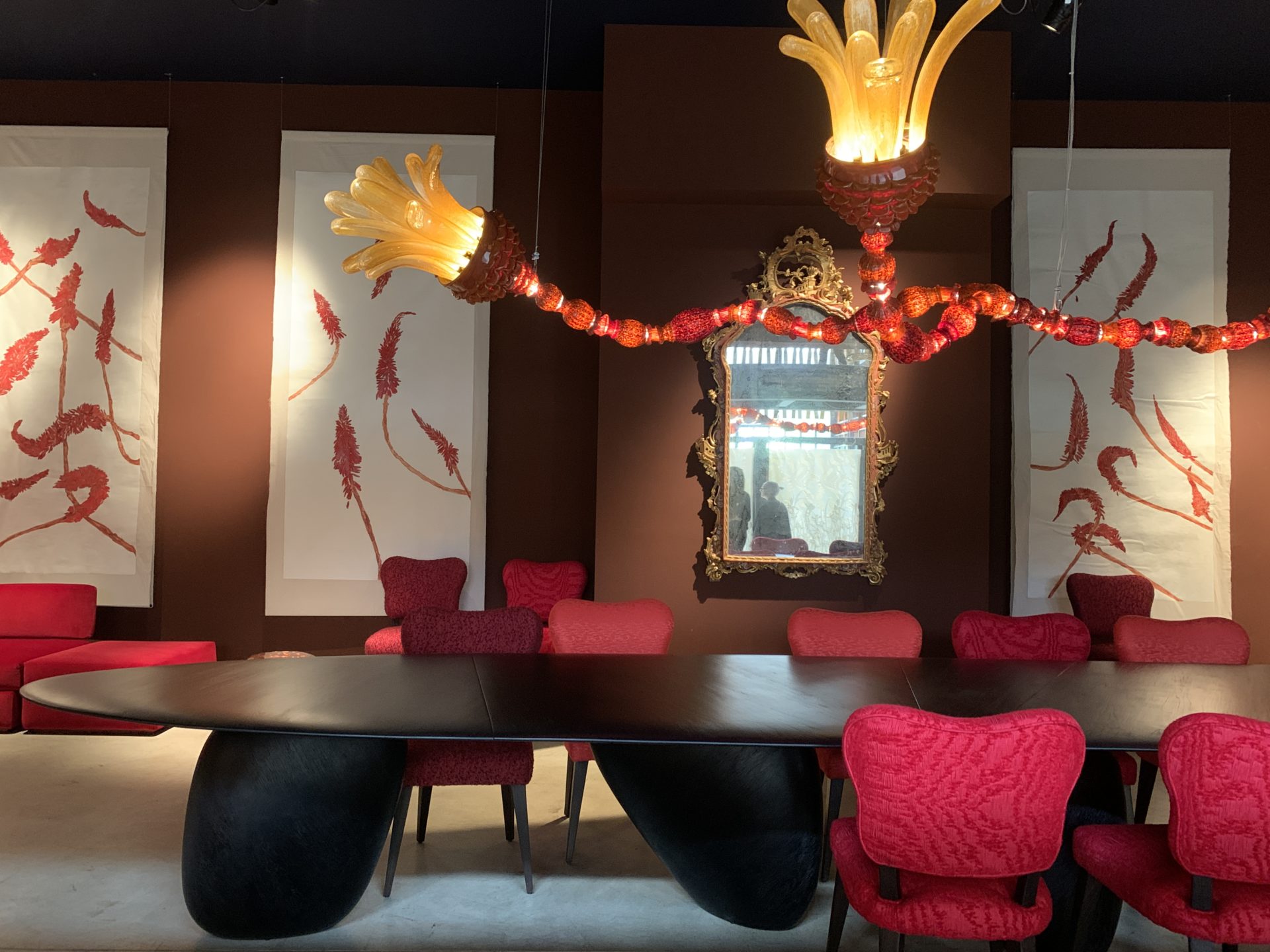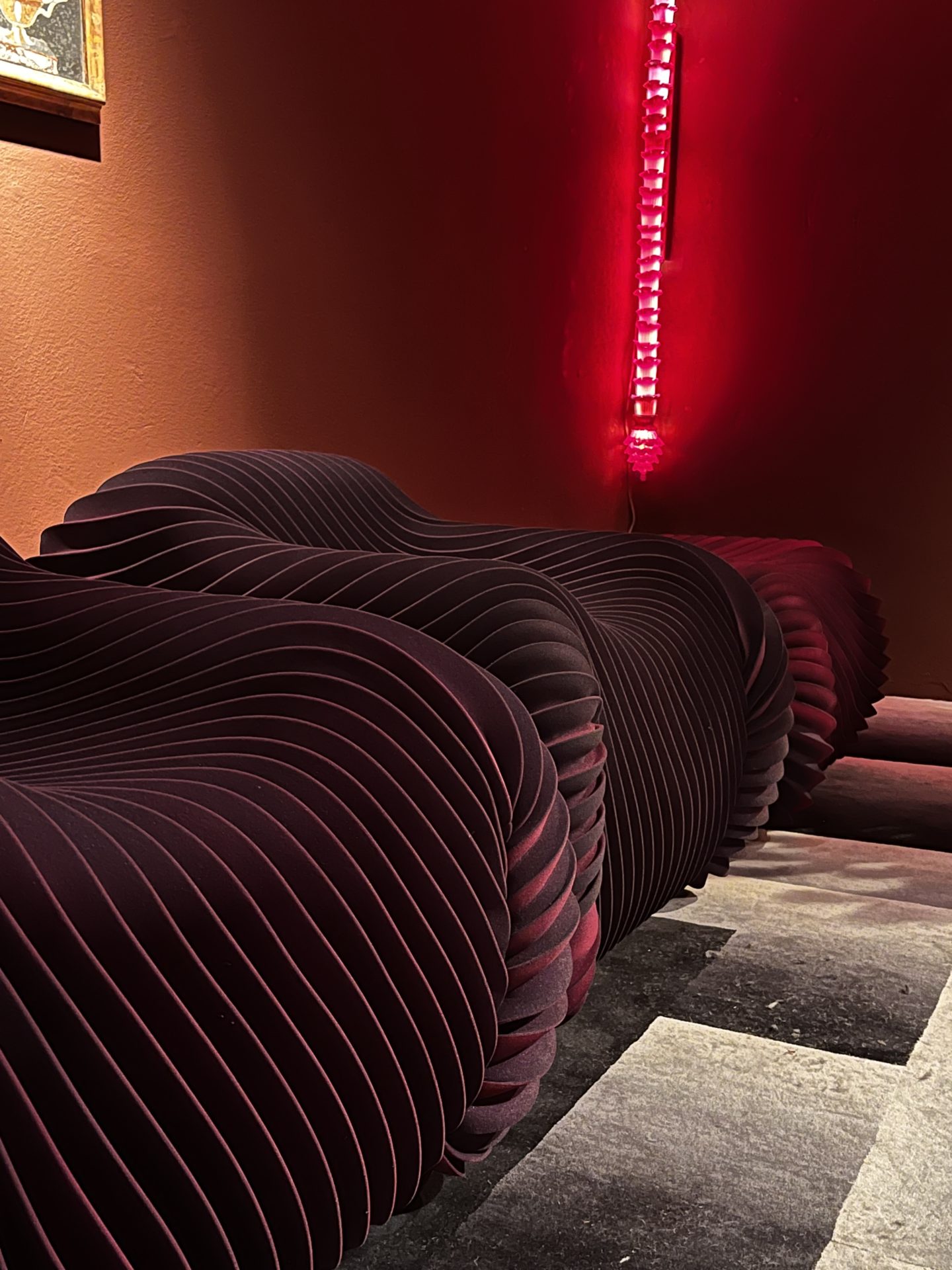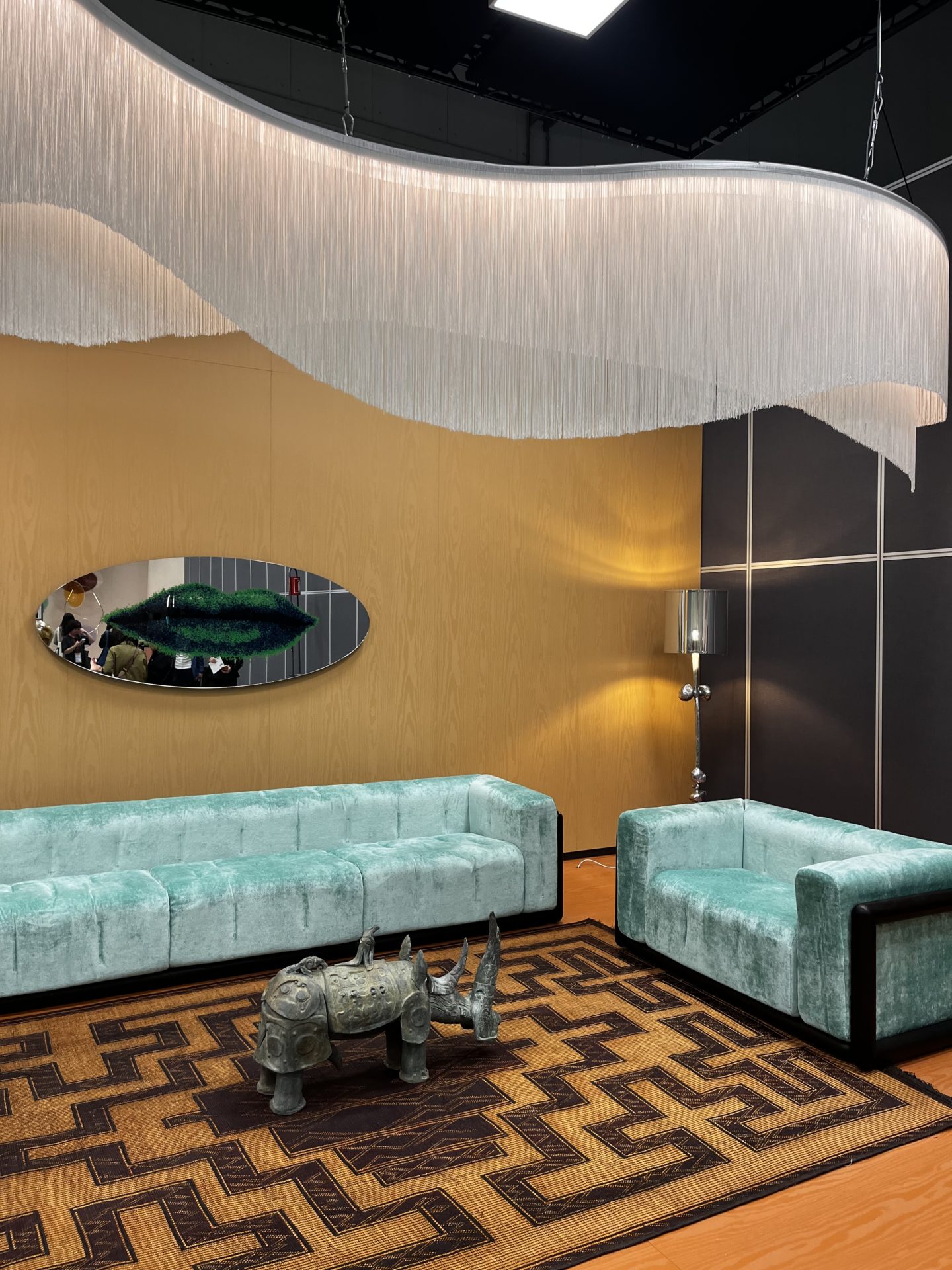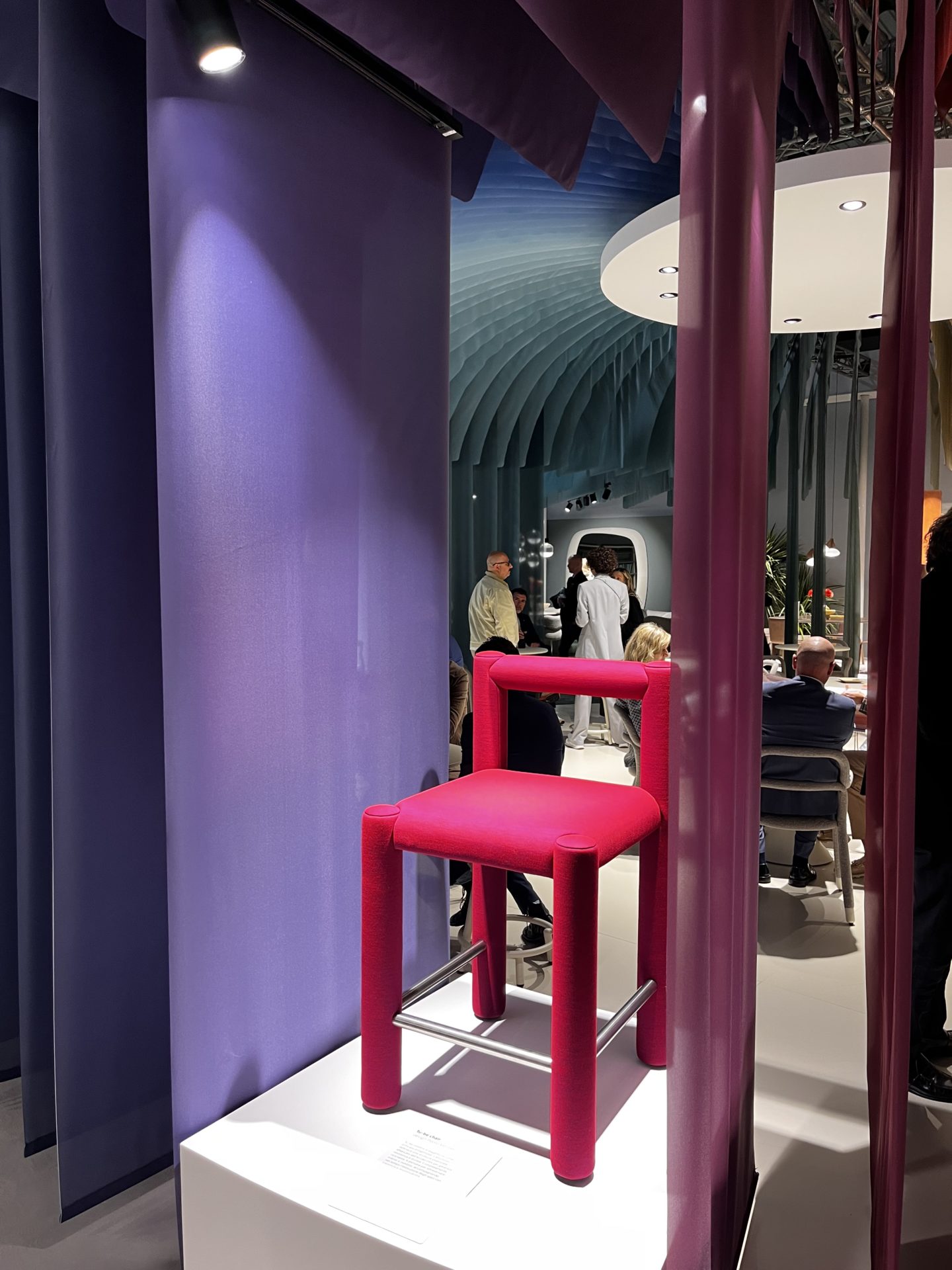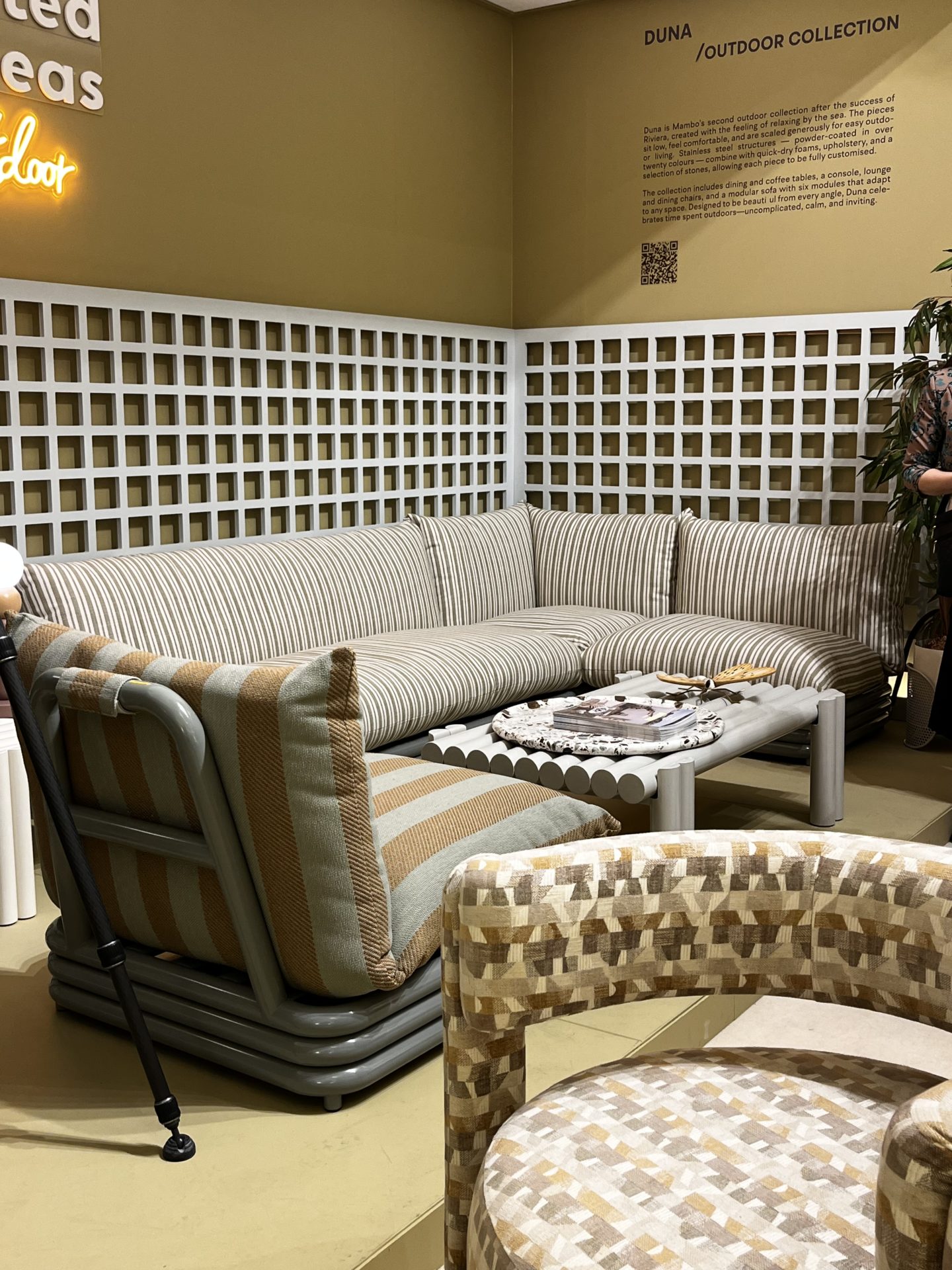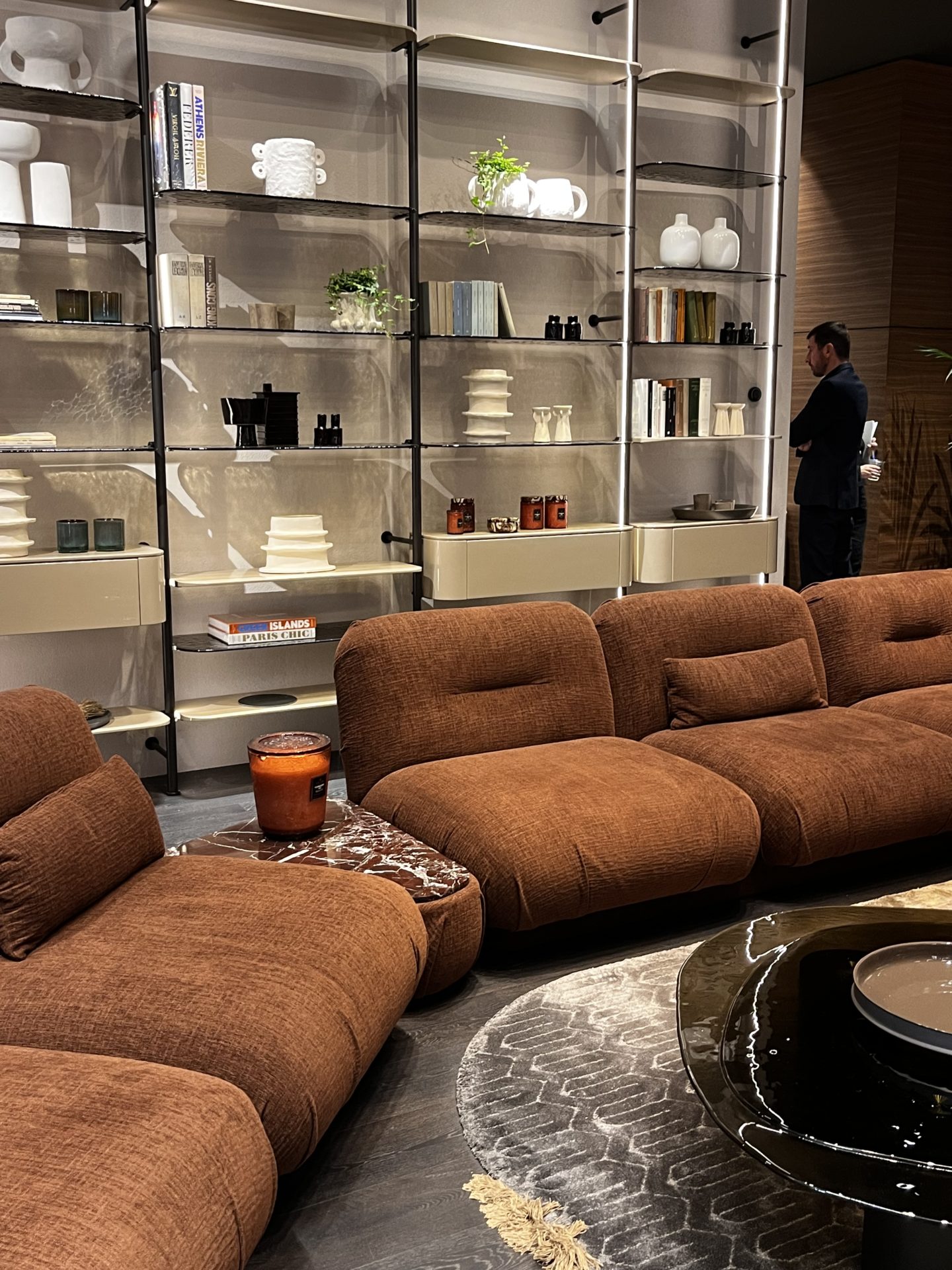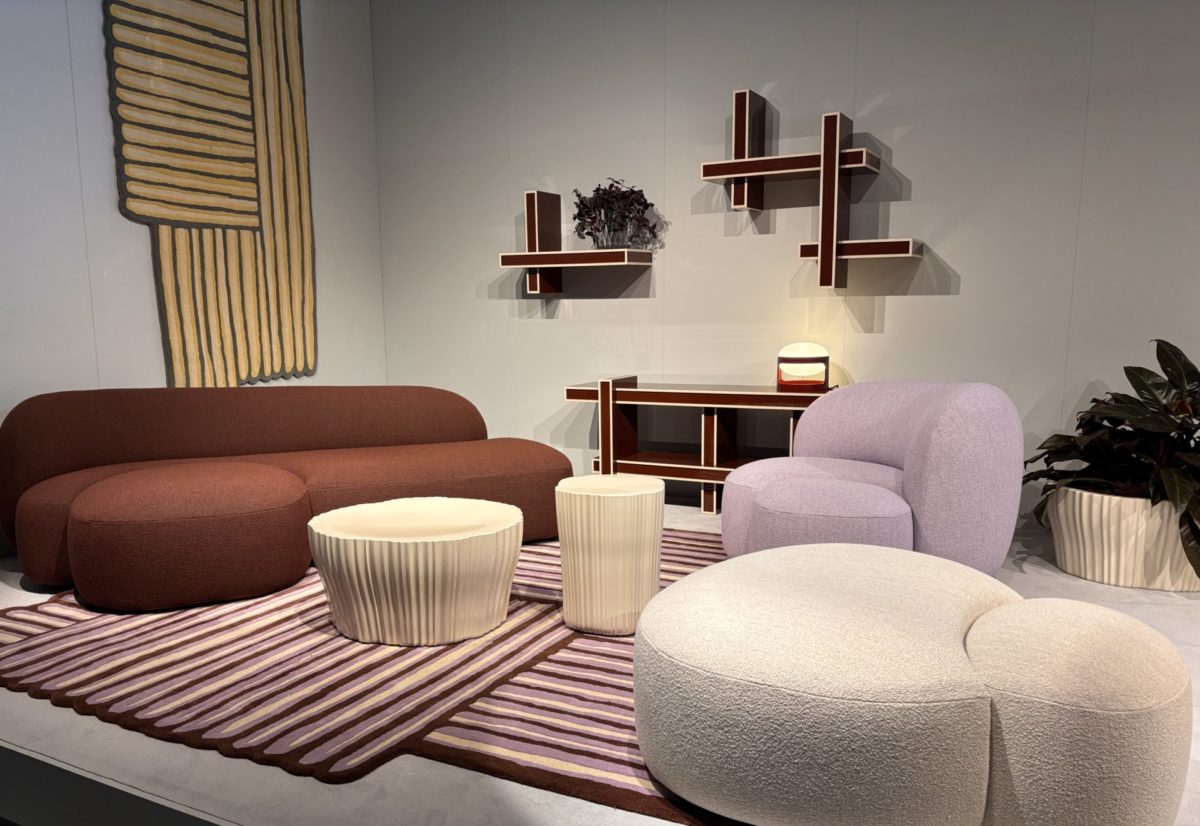
I come across this statement quite often, and as a designer, I often find myself puzzled by it.
As designers, our primary task is to create environments that are liveable, lovable, and meaningful. And of course, we look back to the past as well. Since the beginning of time, artists and architects have learned from and been inspired by what came before them. One only has to think of Gaudí’s cathedrals, drawing from the architecture of Gothic cathedrals; Picasso, who incorporated elements of African tribal art; Philippe Starck, who reinterprets historical furniture forms; or Ettore Sottsass, who translated Art Deco elements into postmodern objects.
So would that make everything retro?
I don’t think so.
Retro is not about copying old things.
It is about a conscious relationship with the past.
The looseness of the 1970s.
The playfulness of the 1980s.
The digital, experimental attitude of the 1990s.
These are all visual and emotional layers that we can still connect with today.
The problem is not with retro itself. The problem begins when it becomes mere scenery. But when it is given new meaning, paired with modern technology, fresh ideas, or even a touch of irony, something truly lovable can emerge.
Today, when design often feels overly sterile, perfect, and “flawless”, it may be more important than ever to bring back the human element: texture, emotion, and a sense of spontaneity. Because ultimately, we do not fall in love with perfect spaces, but with spaces that feel good to be in.
For me, retro is not a style. It is an attitude.
Eszter Radnóczy