Categories
blog Events

Colour, Character & Contrast — Milan Design Week 2026

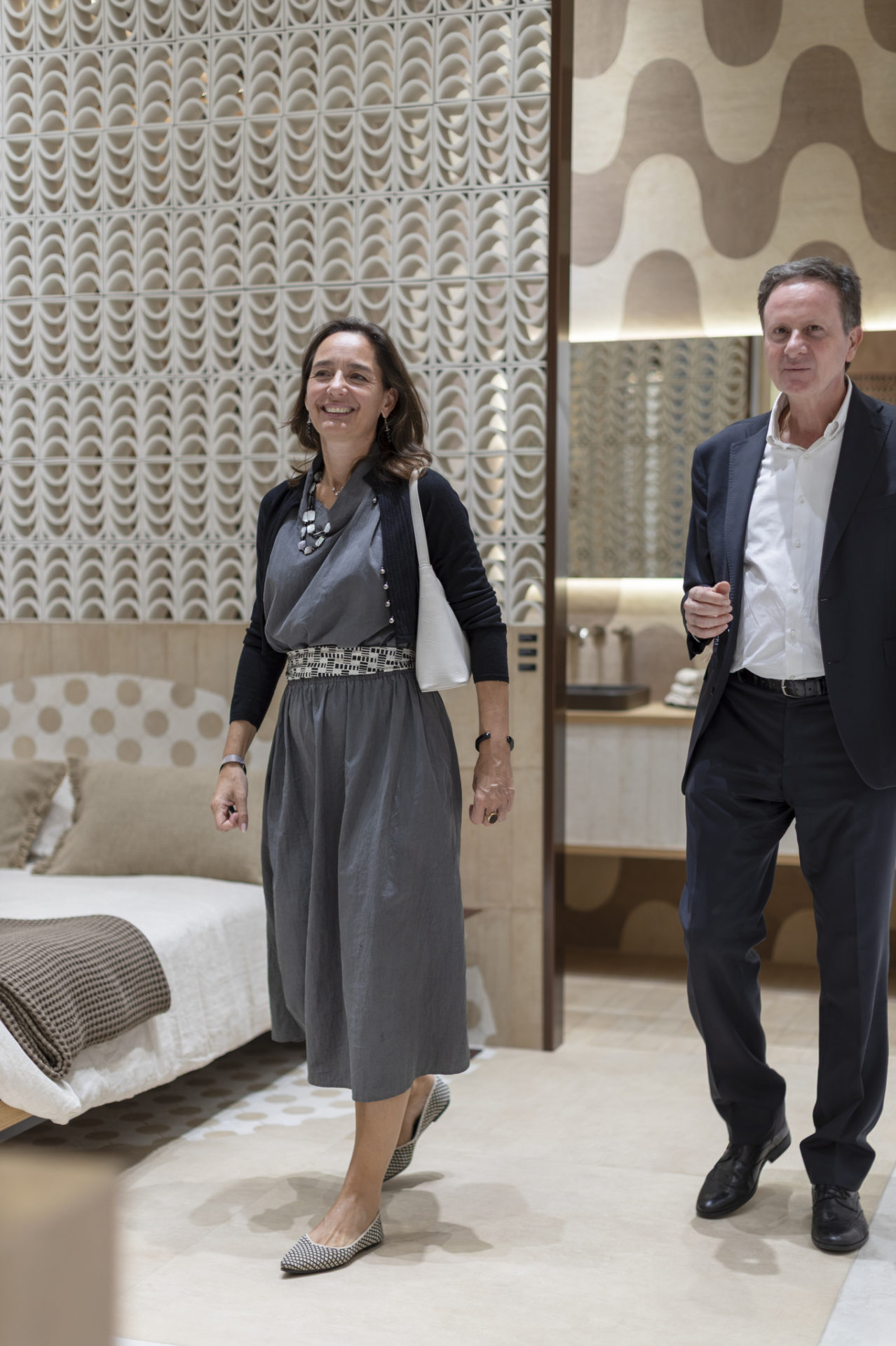
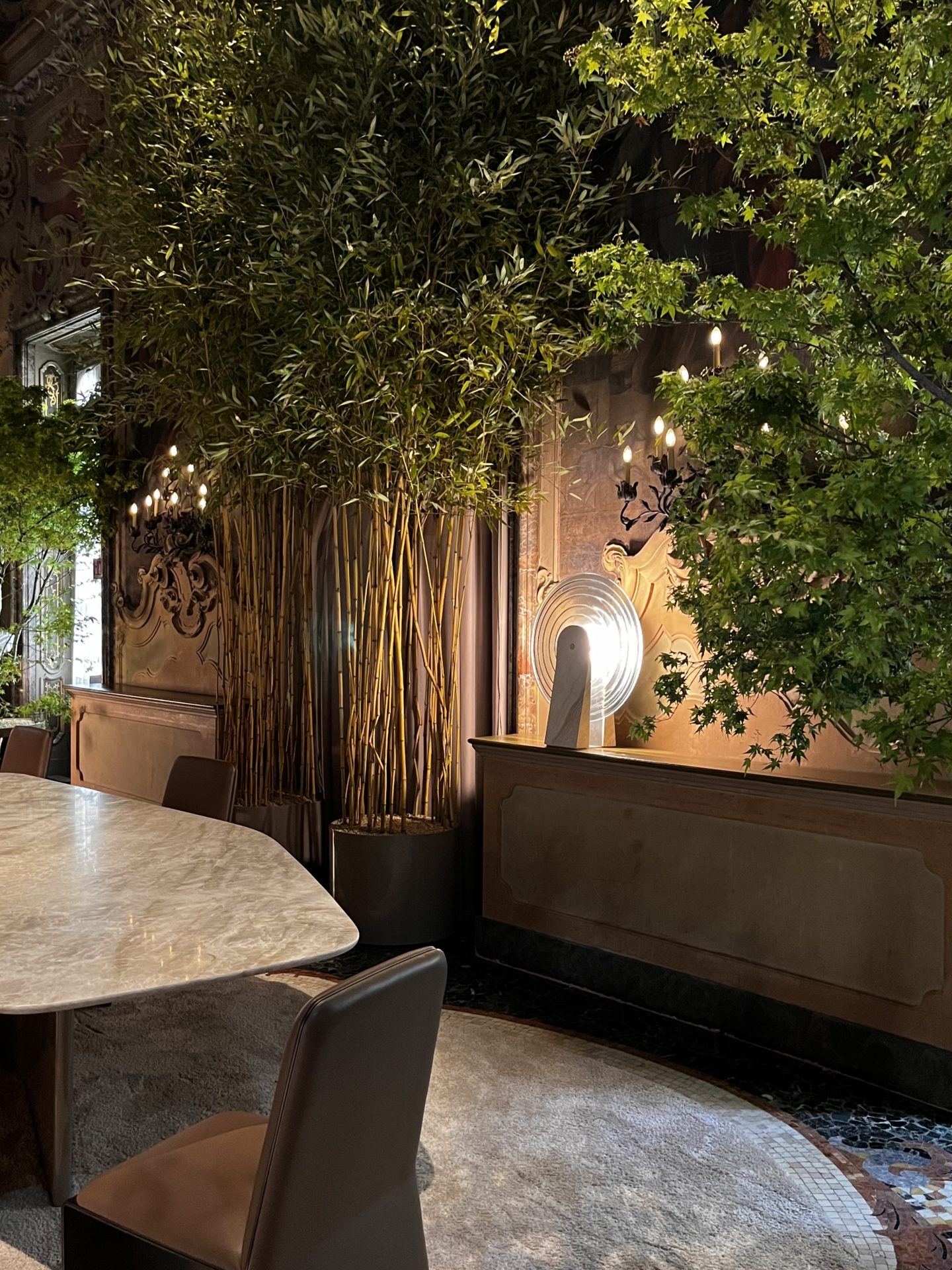
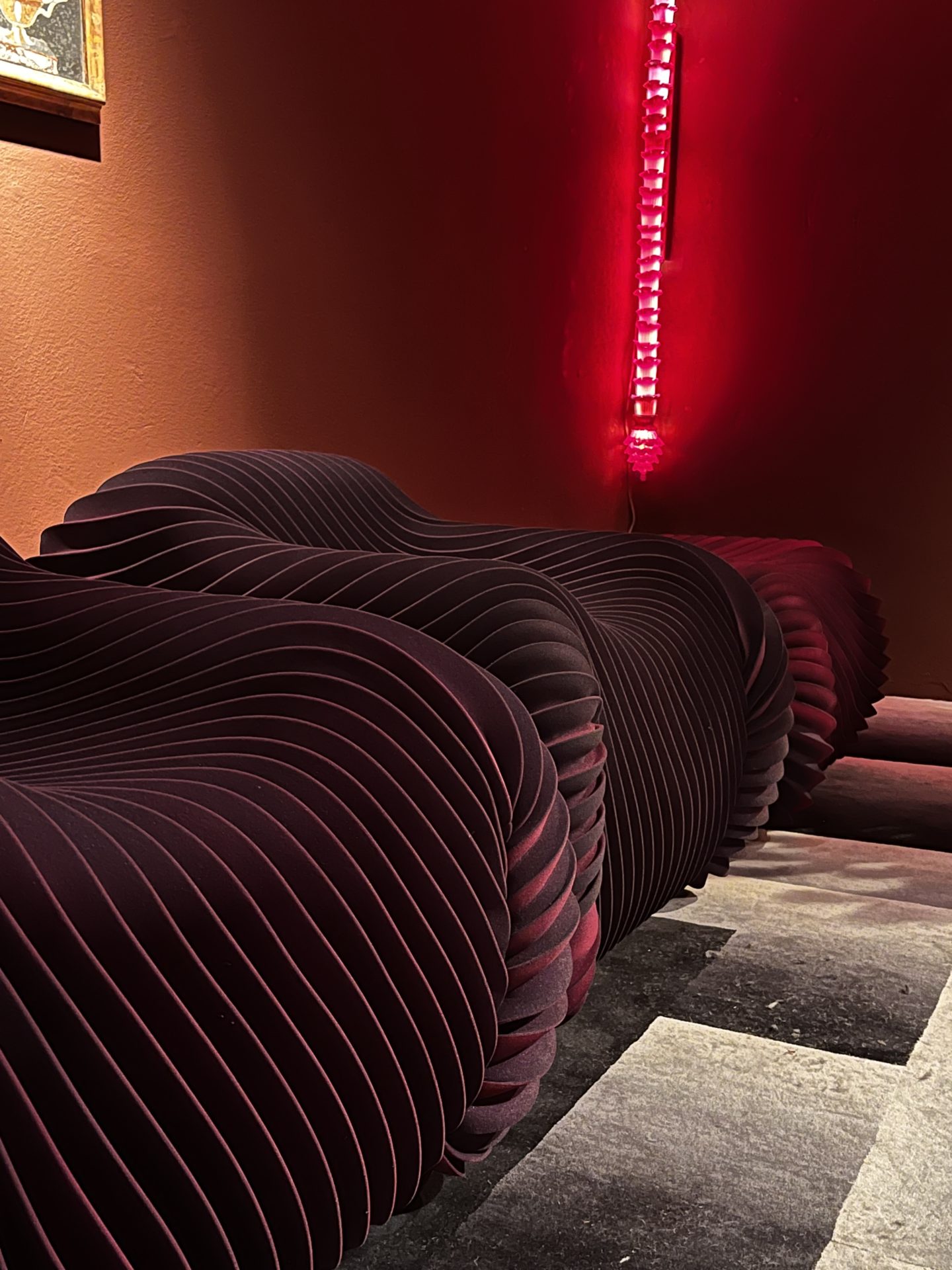
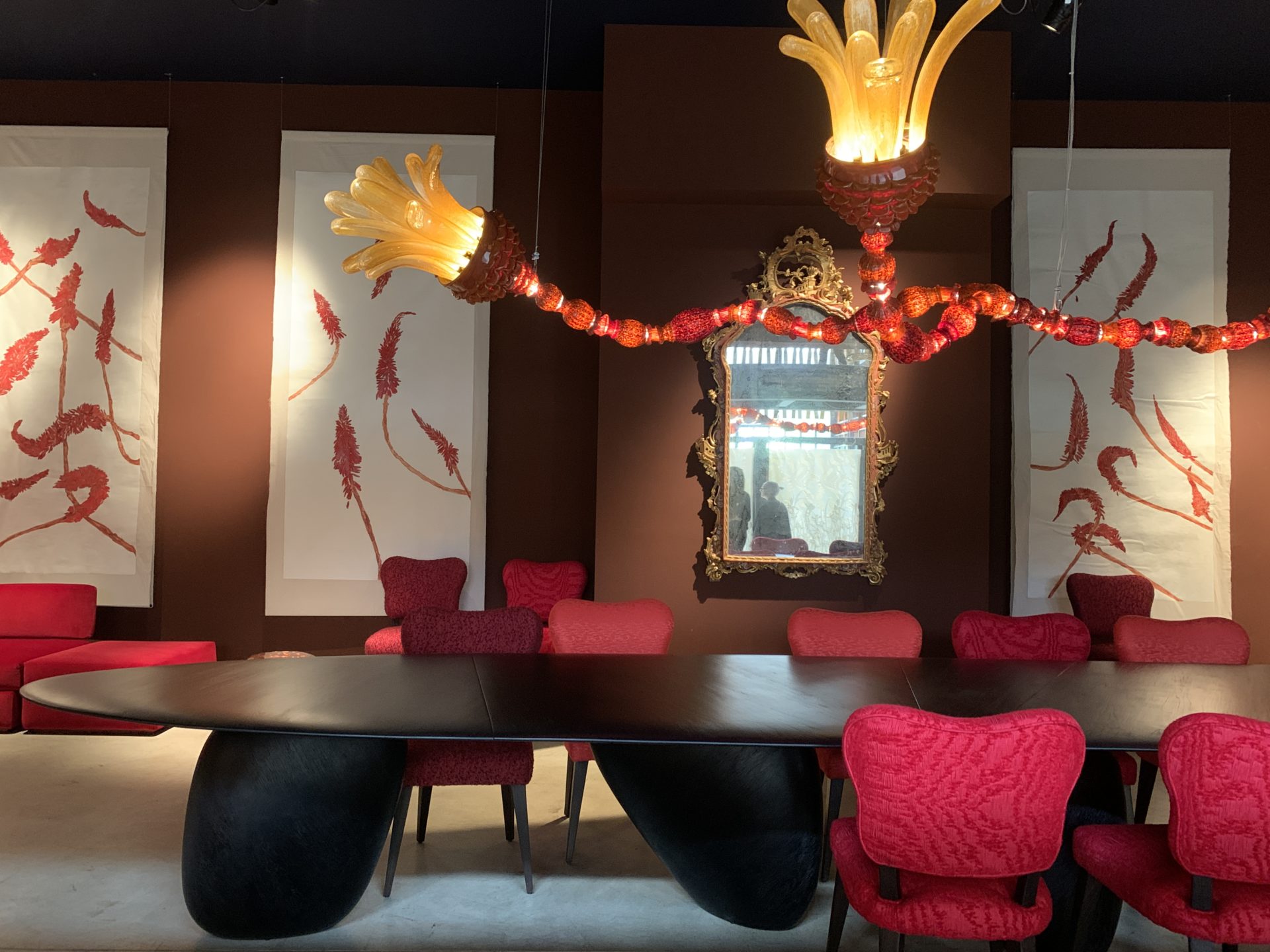
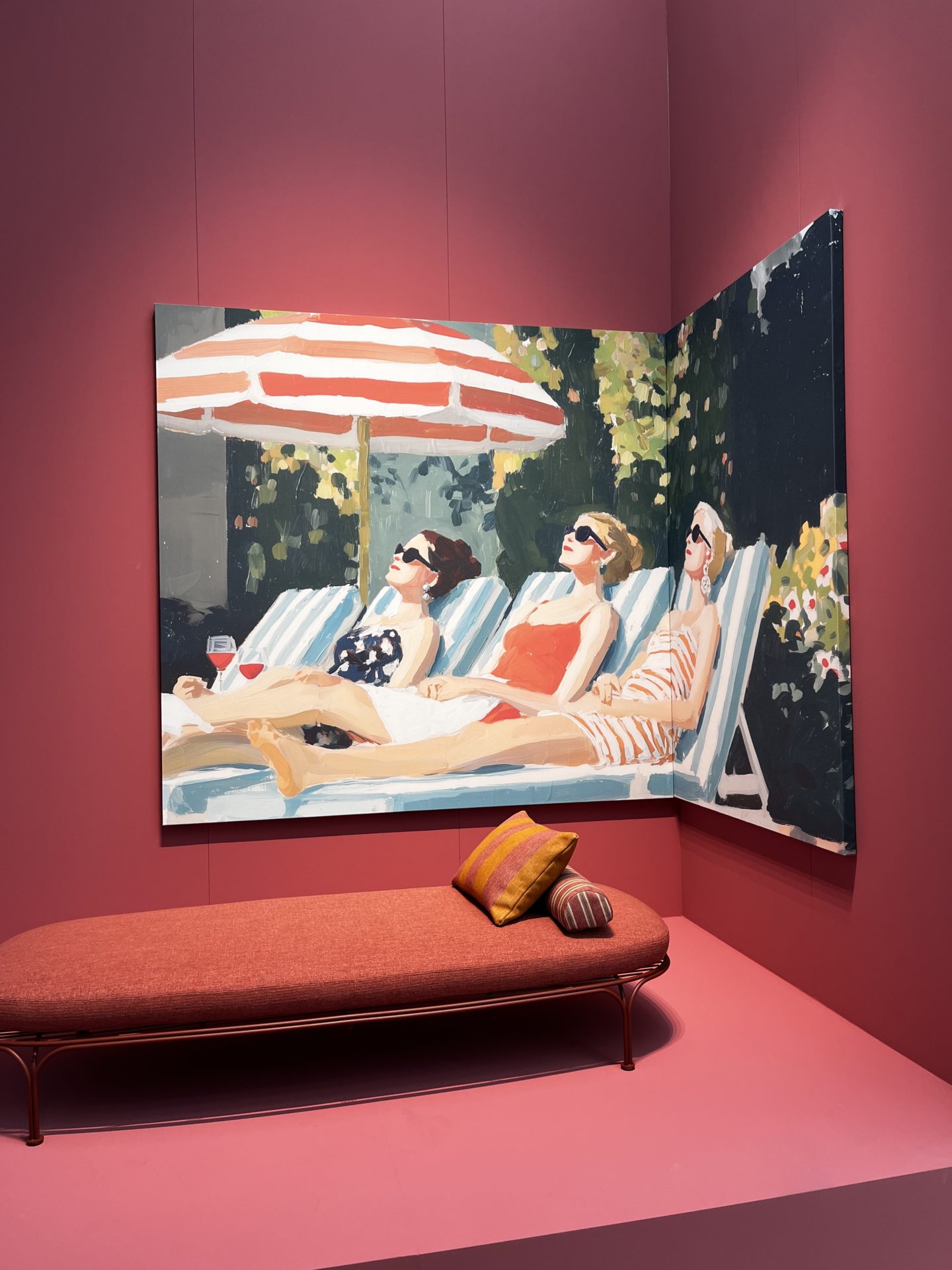
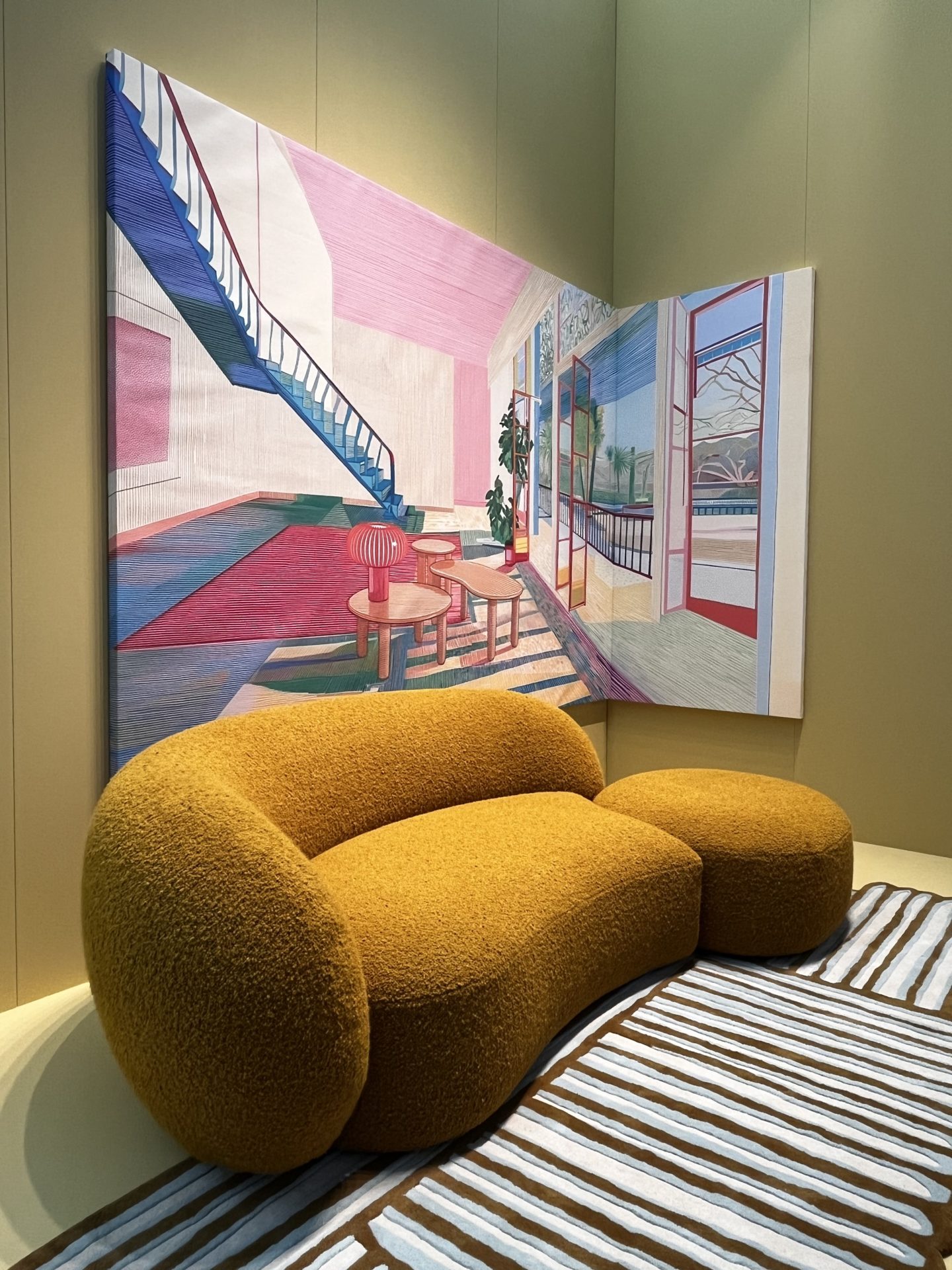
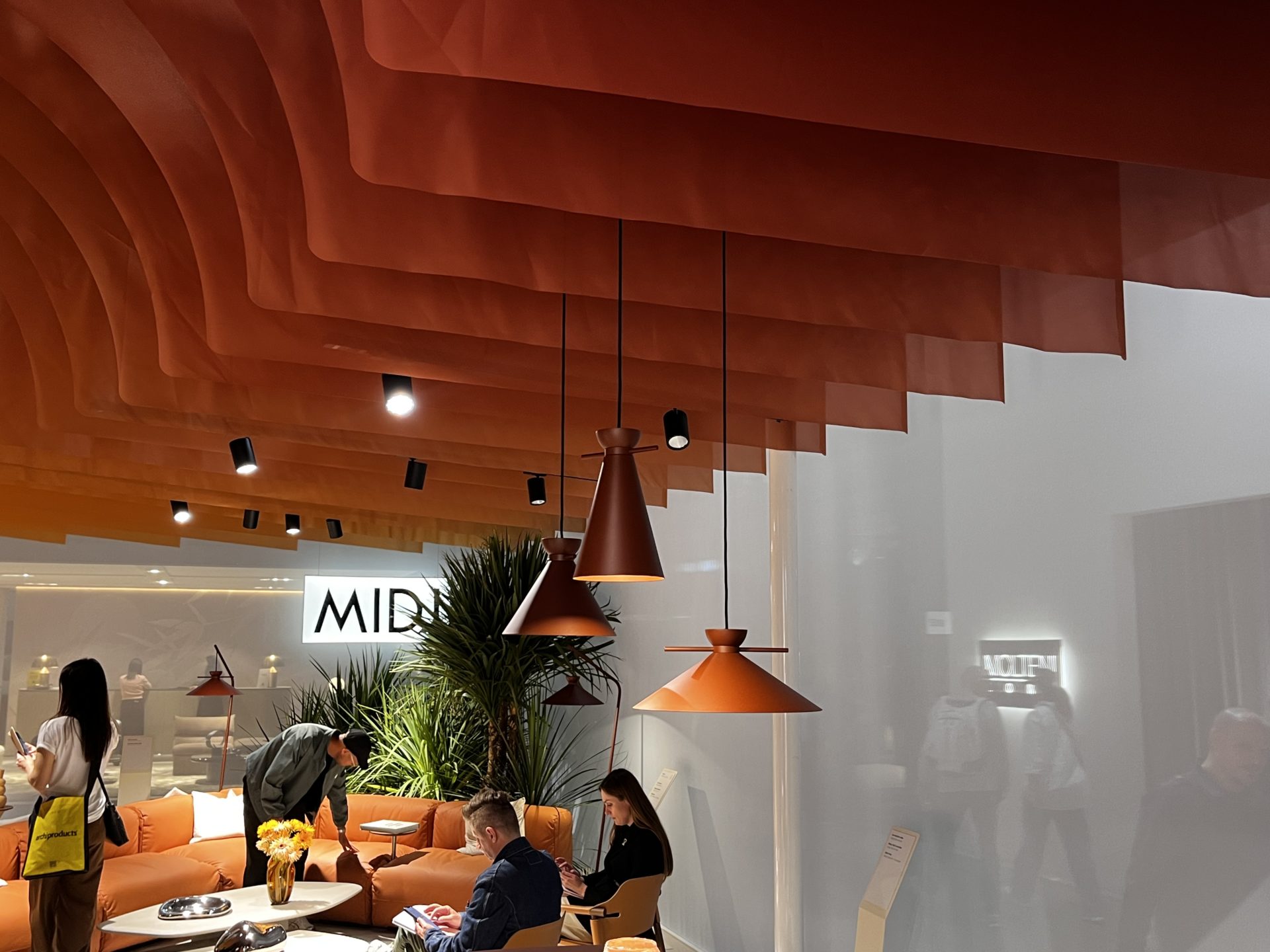
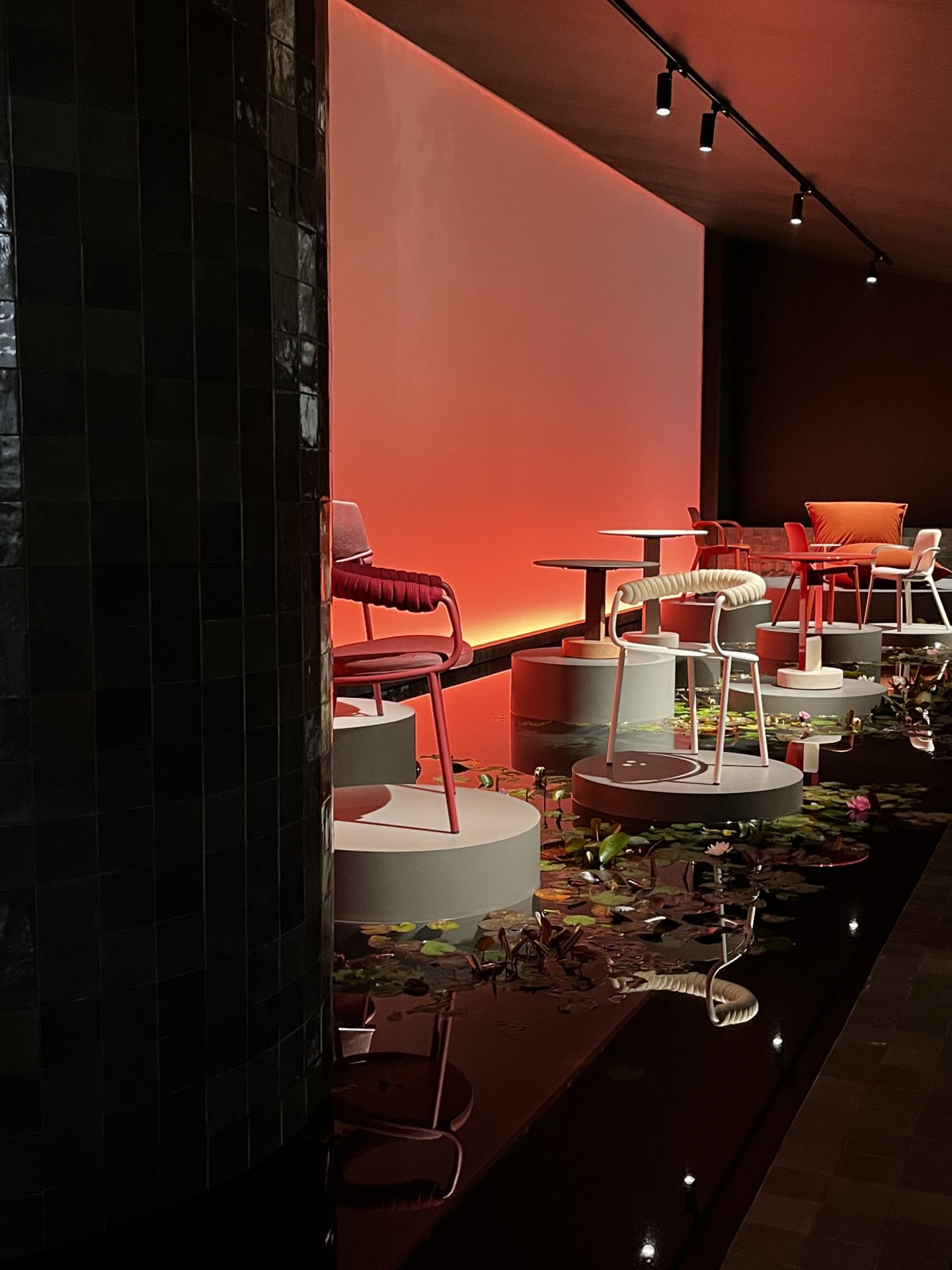
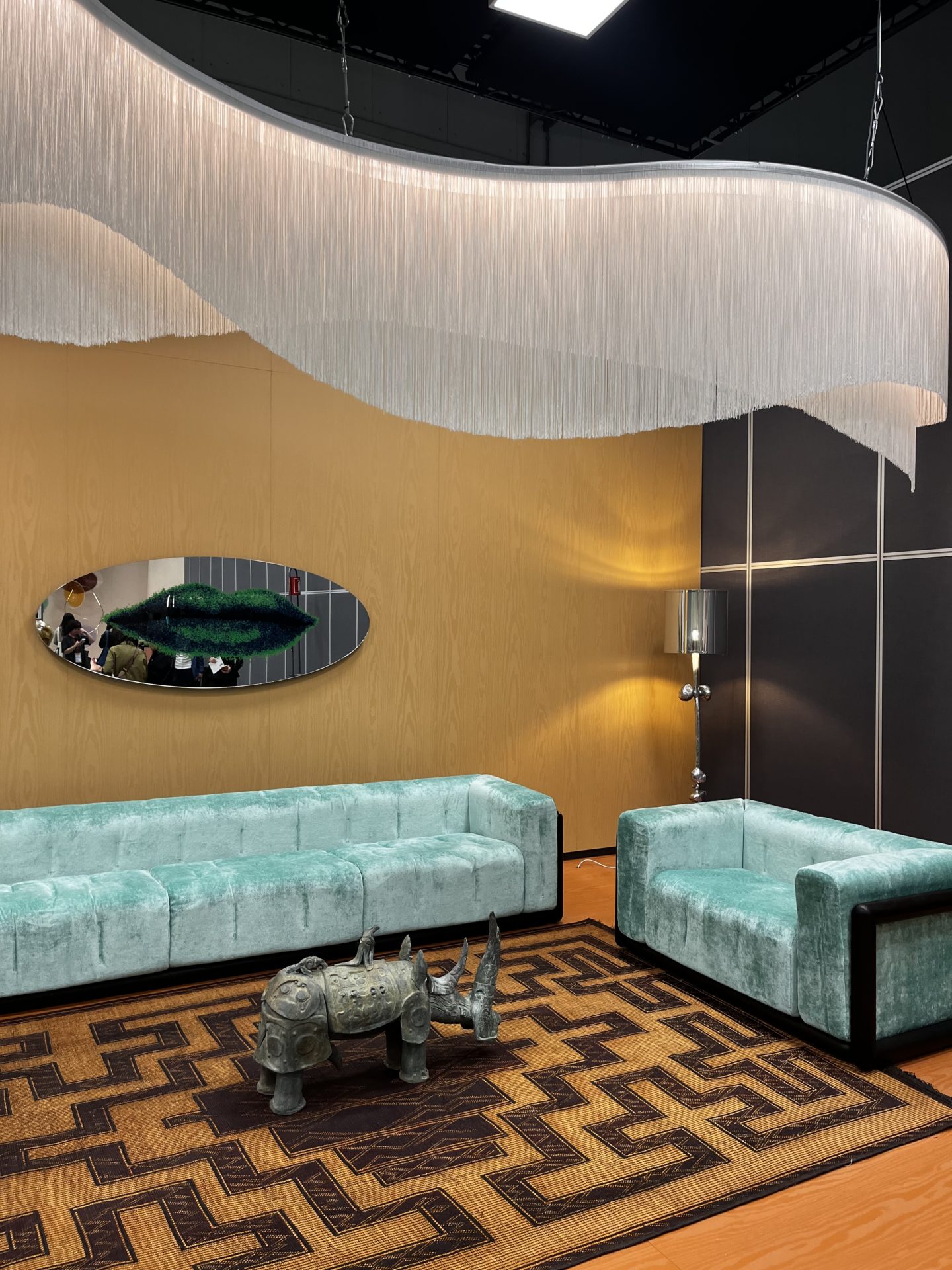
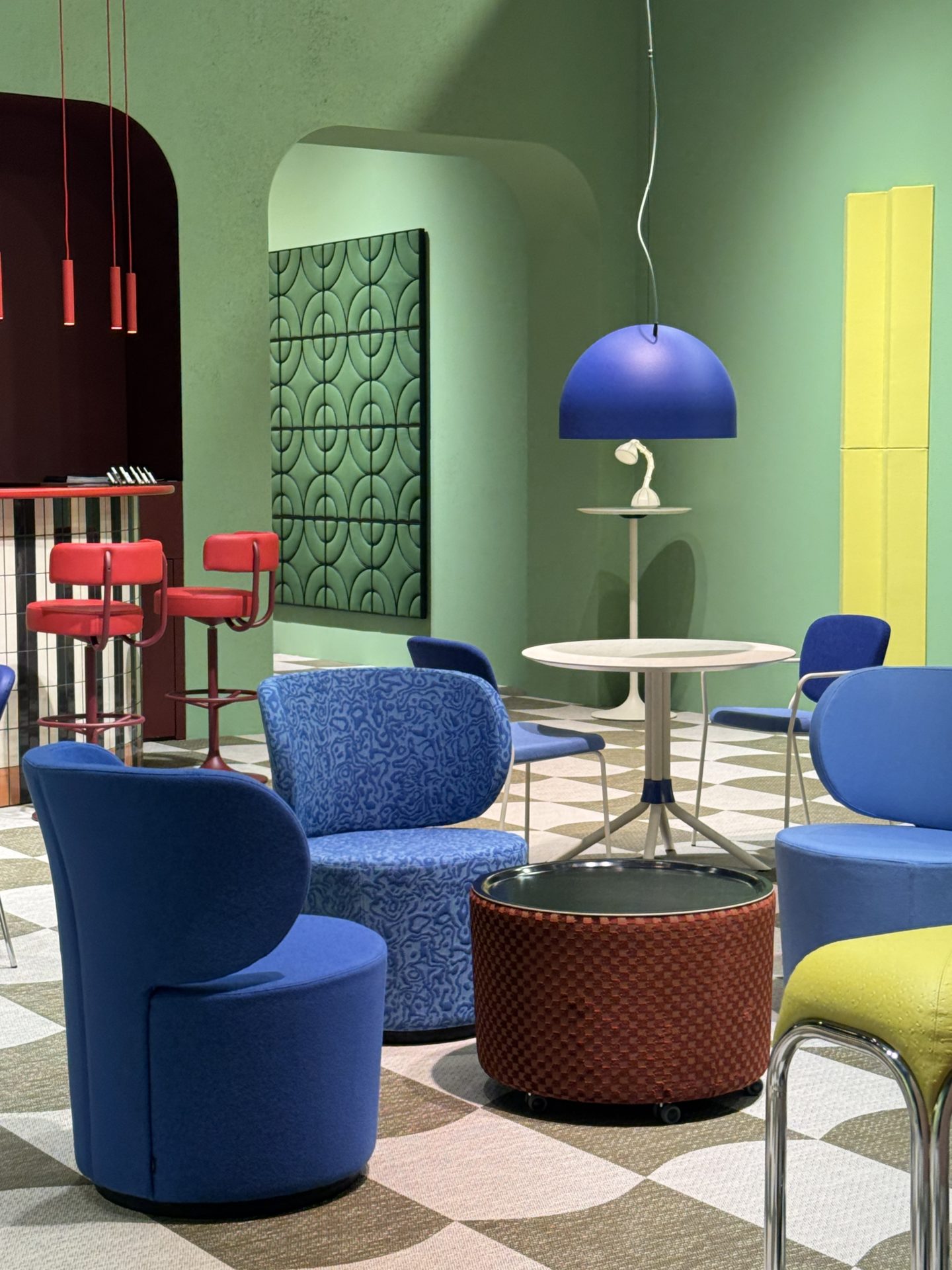
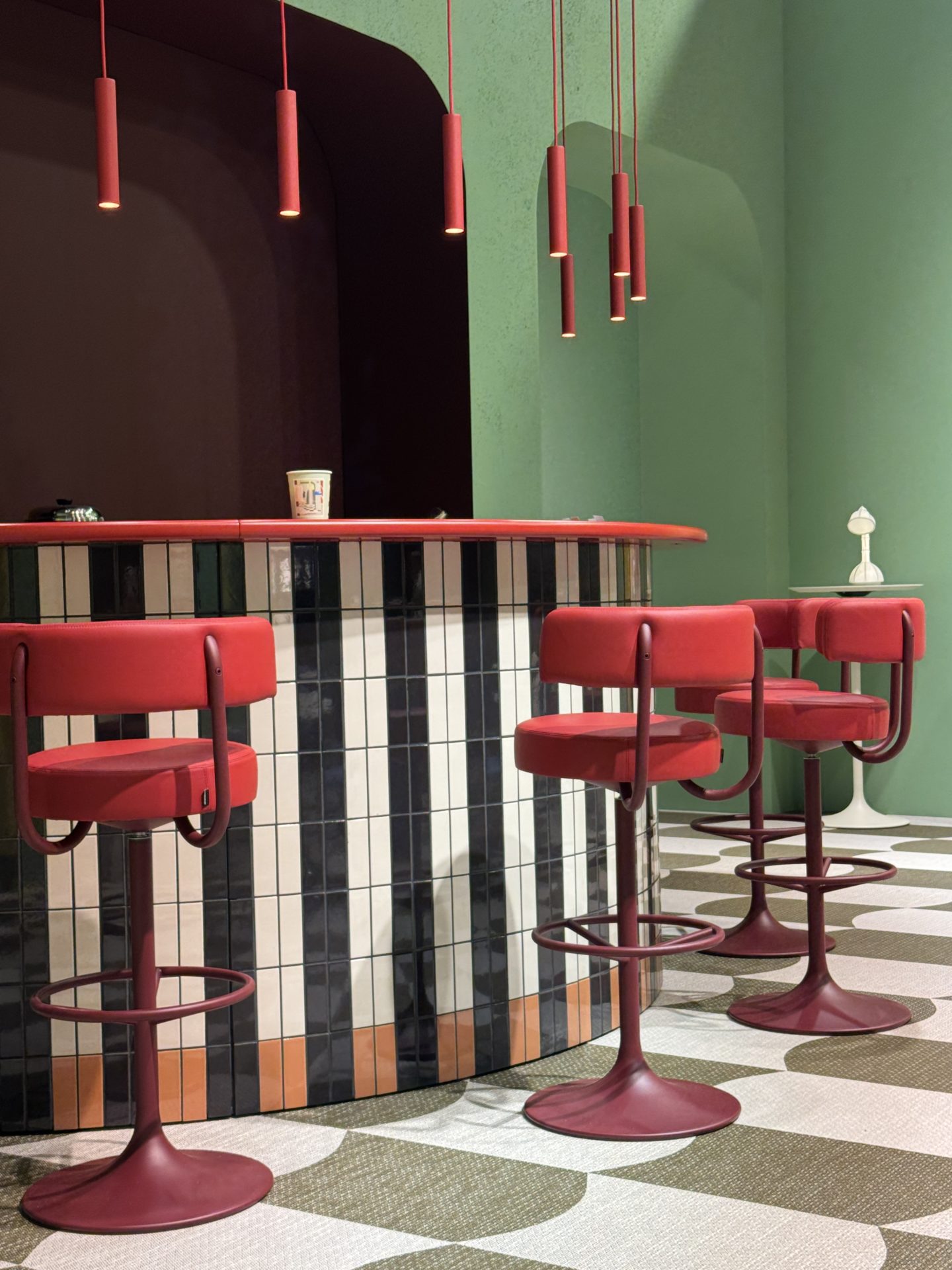
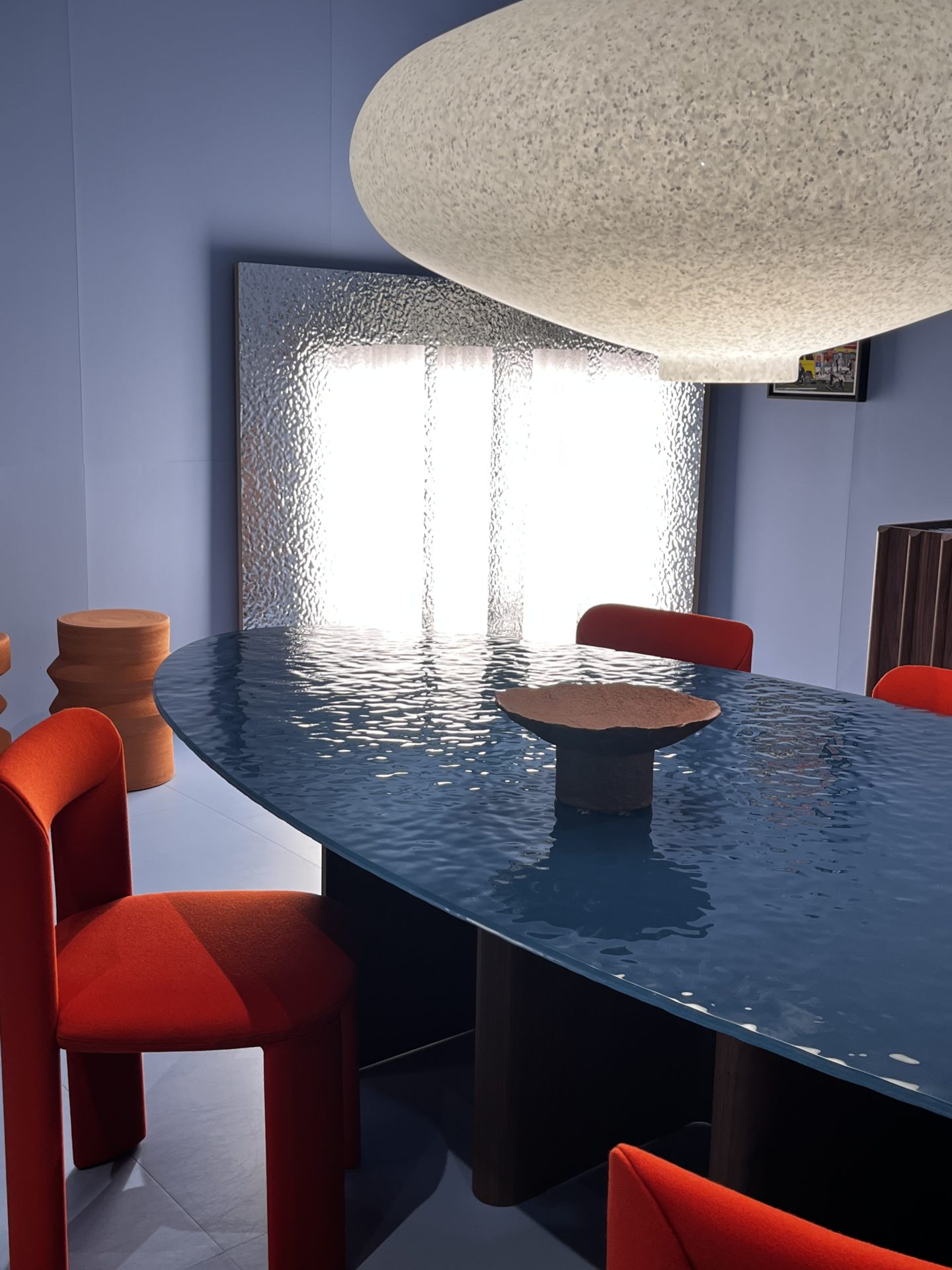
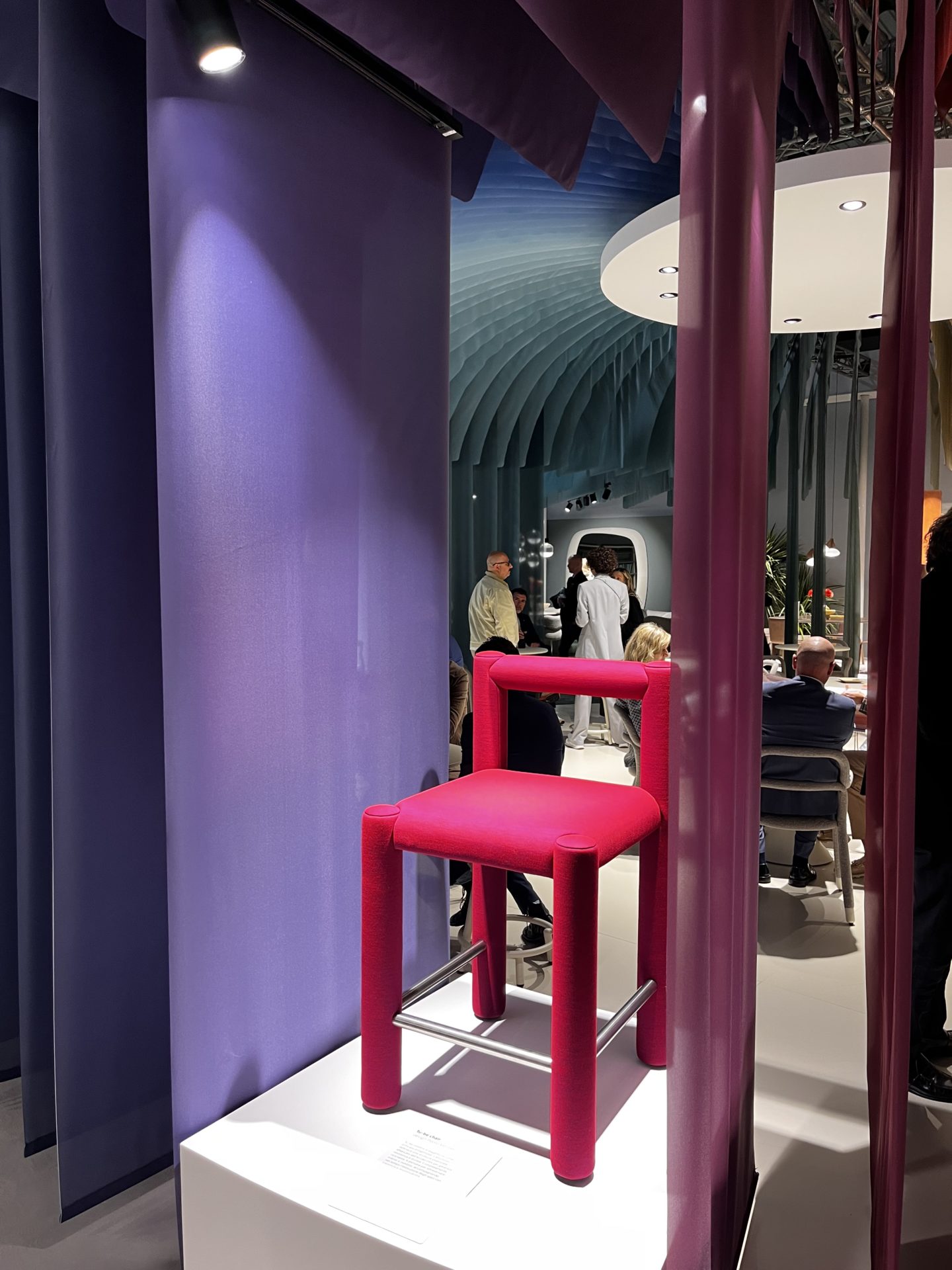
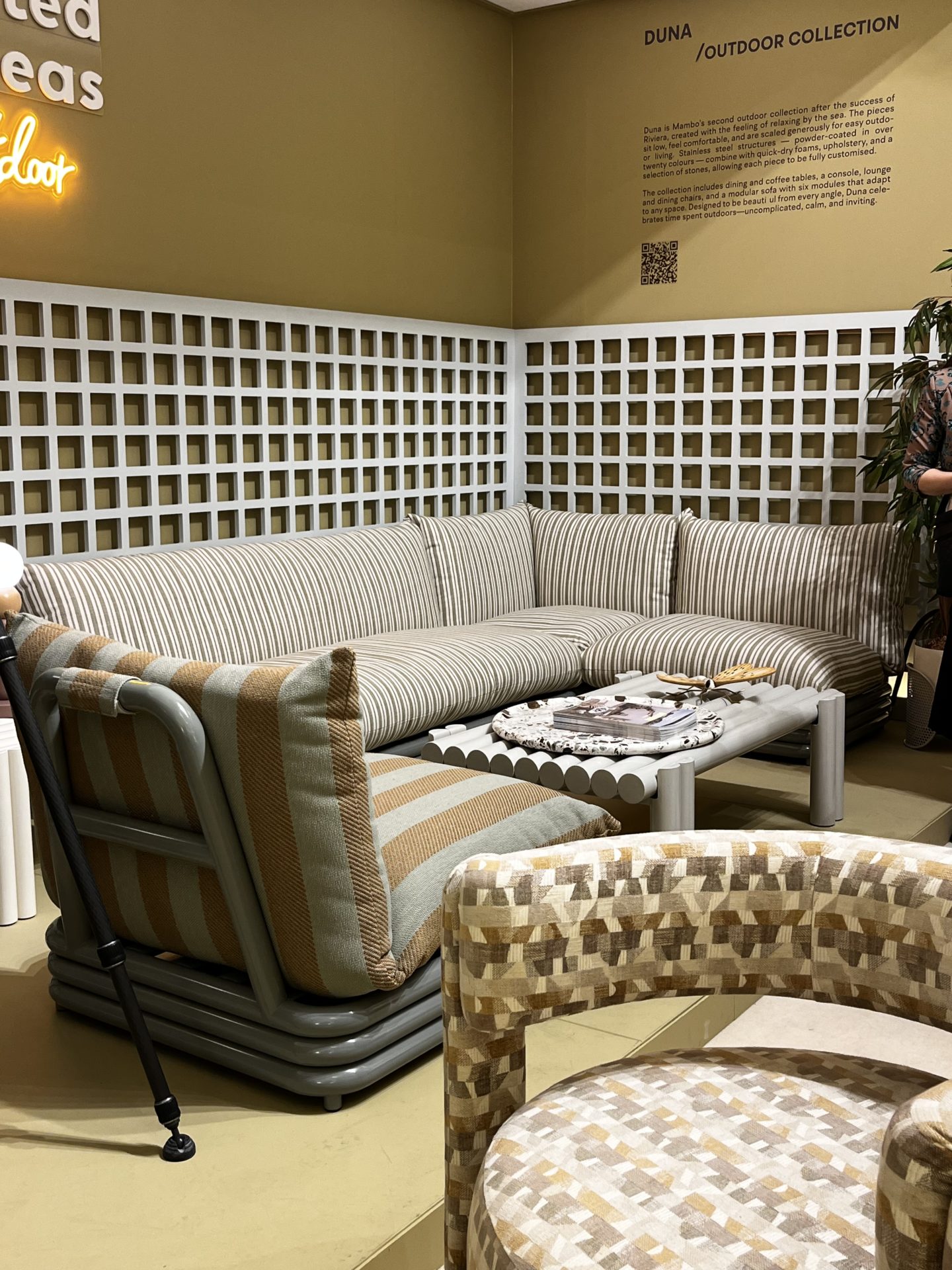
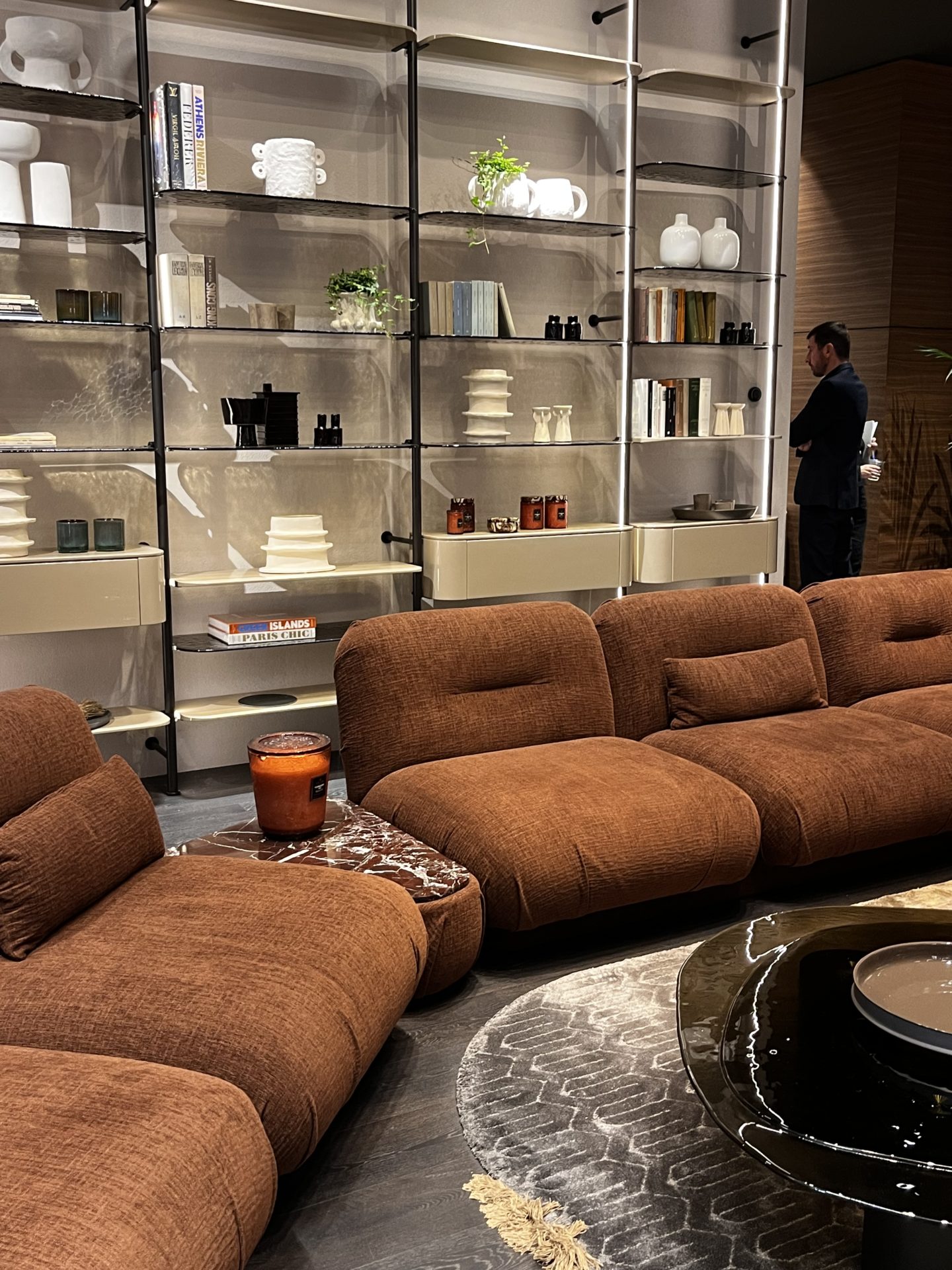
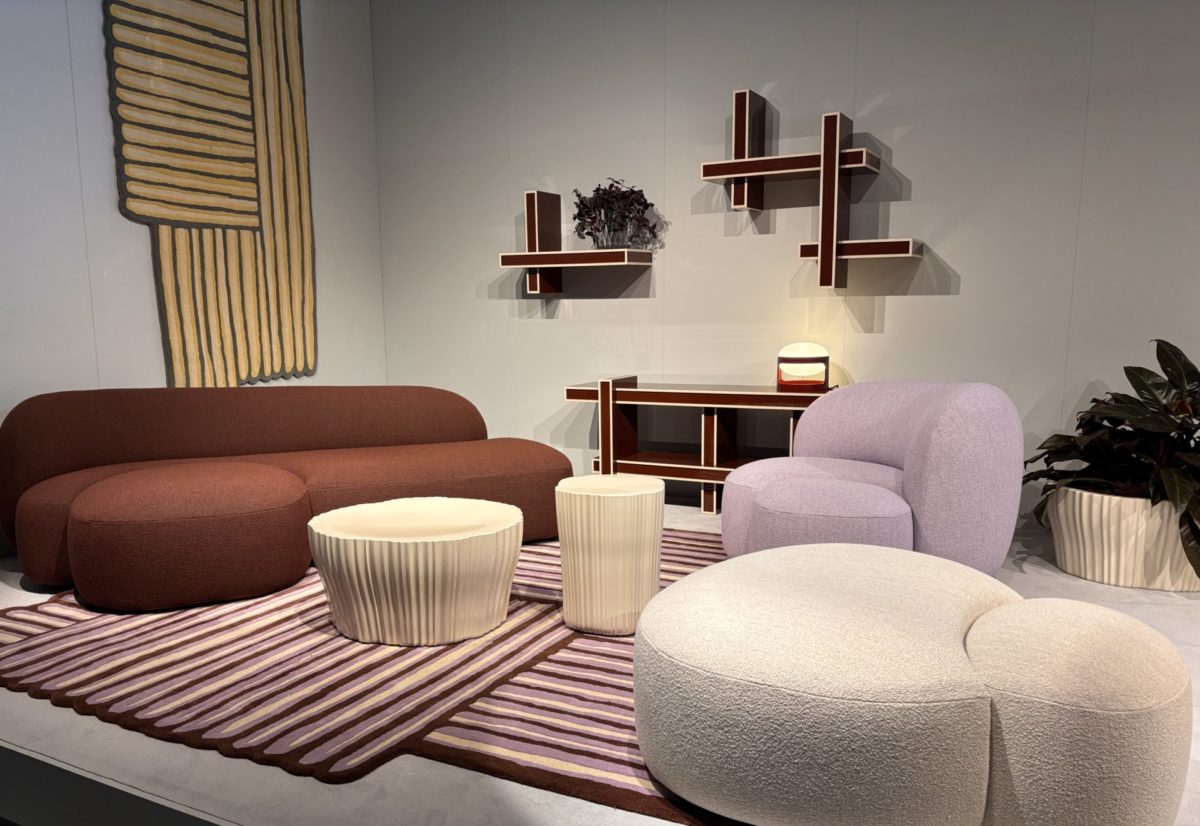
This year’s Milan Design Week once again proved that the world of design has definitively moved beyond restrained minimalism and neutral “safe space” aesthetics. Across Salone del Mobile and Fuorisalone exhibitions, we experienced a much bolder, more emotional and character-driven design language — rich colours, sculptural forms, layered materials and interiors unafraid of theatricality. Alongside the long-dominant beige palettes, Japandi influences and sterile modernism, a more eclectic and emotionally charged aesthetic is clearly returning: one that draws inspiration from the elegance of the turn of the century through to the freedom of postmodern design from the ’70s, ’80s and ’90s — all reinterpreted through a contemporary lens.

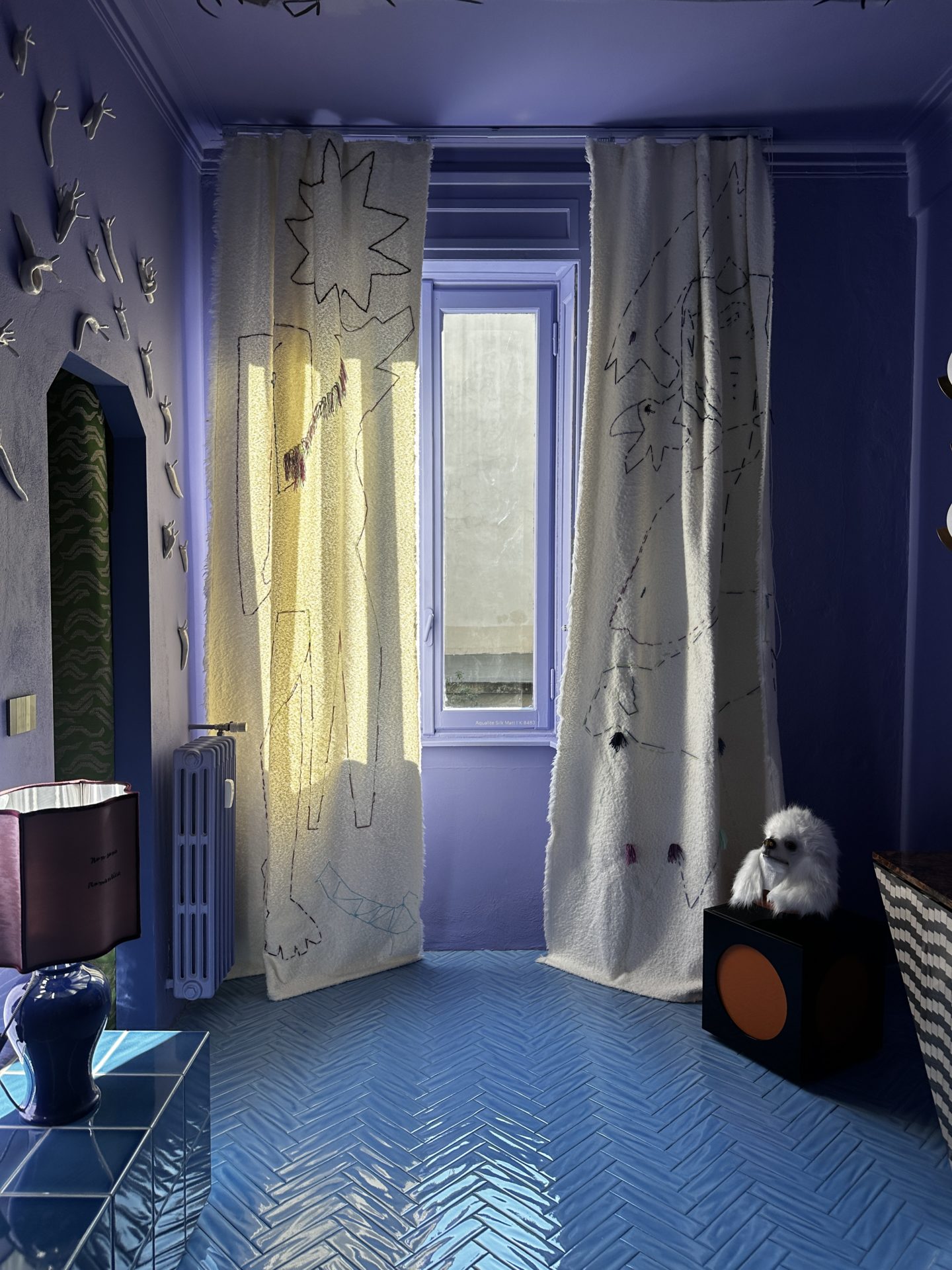
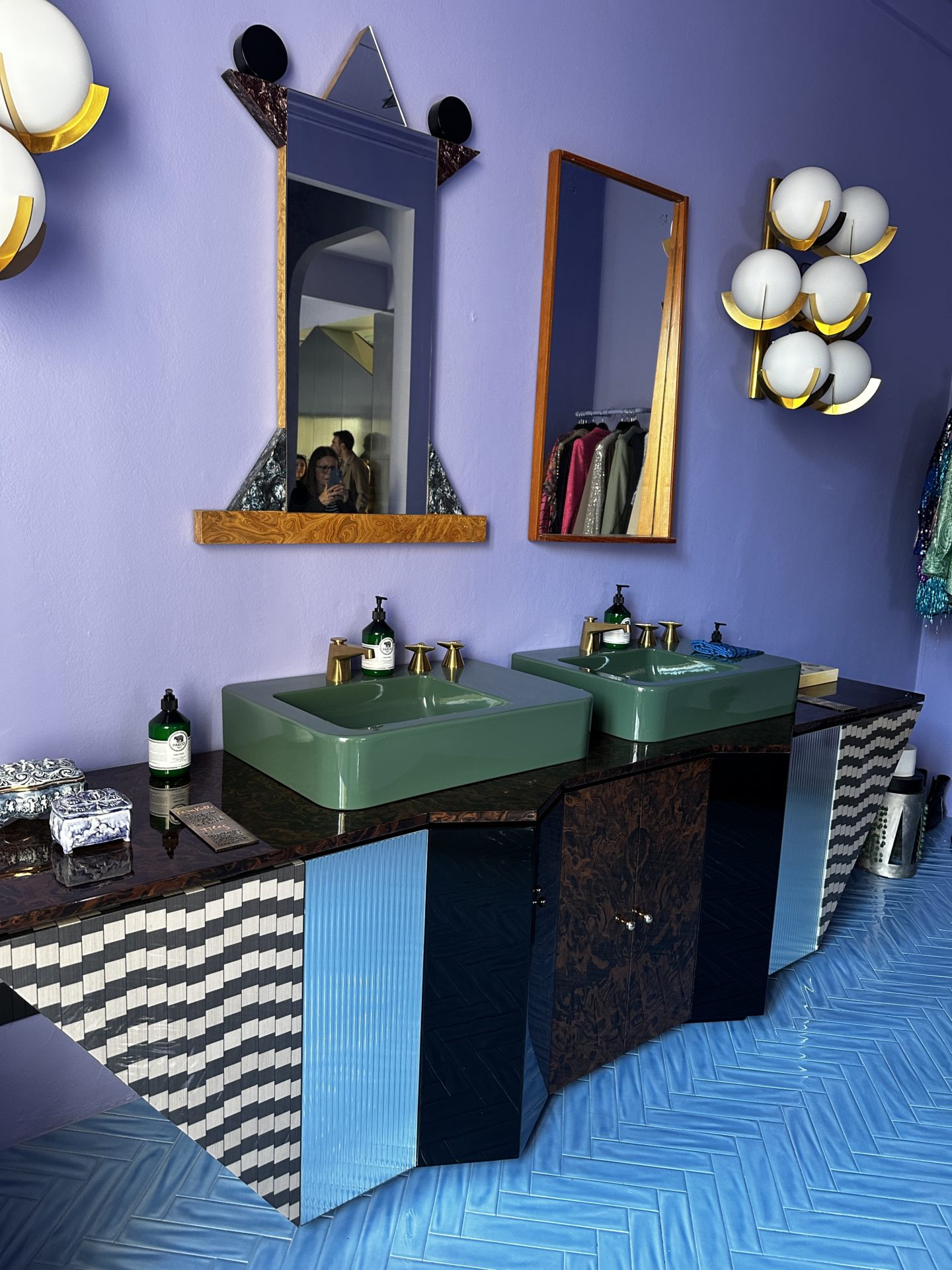
Our arrival on Sunday already set the tone for the week. One of the first stops was the iconic Casa Ornella, a recurring favourite that reinvents itself every year. This year’s interior immersed visitors in a cinematic atmosphere of purple, deep blue, gold and black tones, where exaggerated forms and fearless stylistic combinations created a playful yet provocative environment. Casa Ornella continues to feel less like a traditional exhibition and more like an emotional and visual experiment.


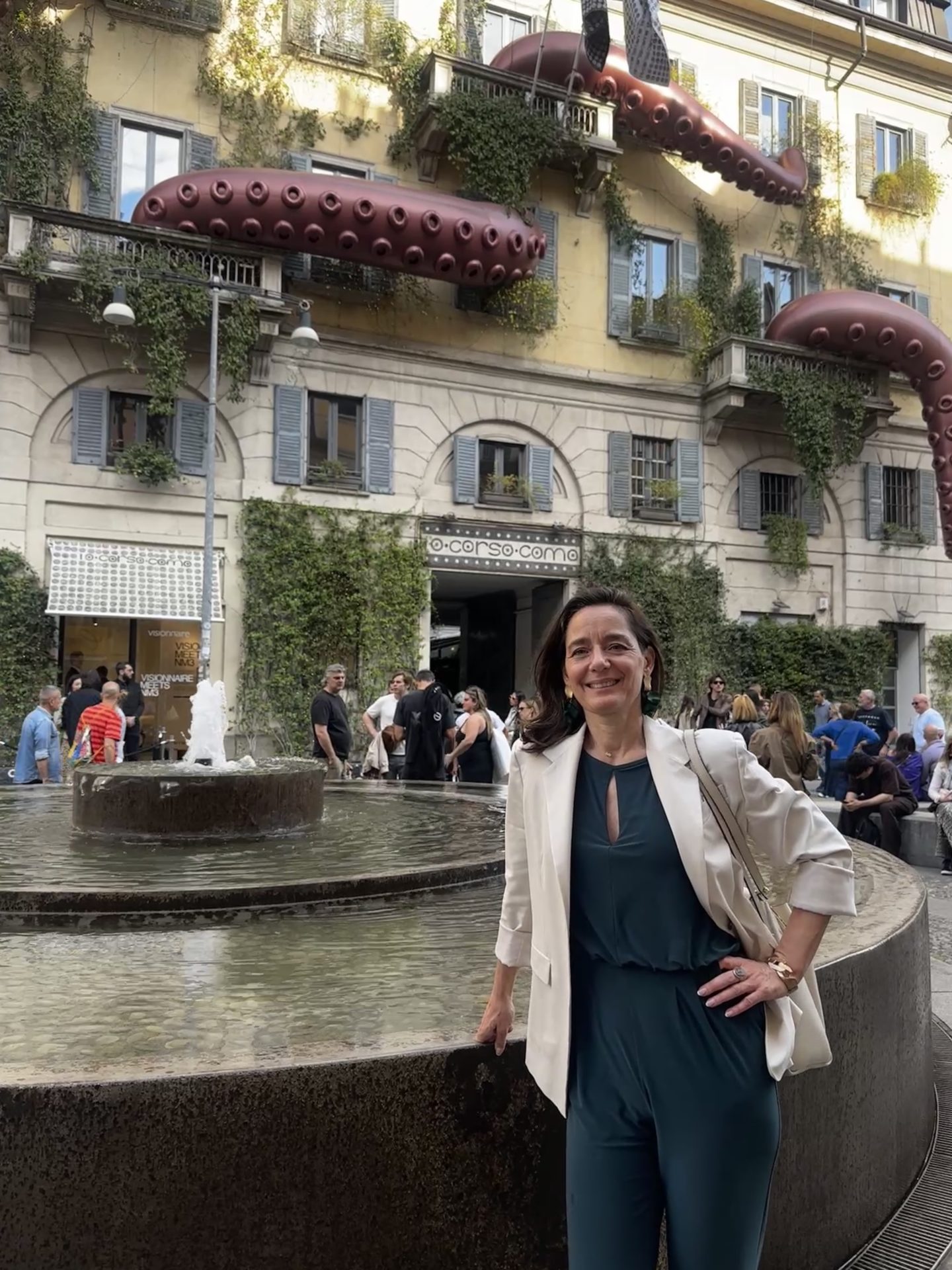
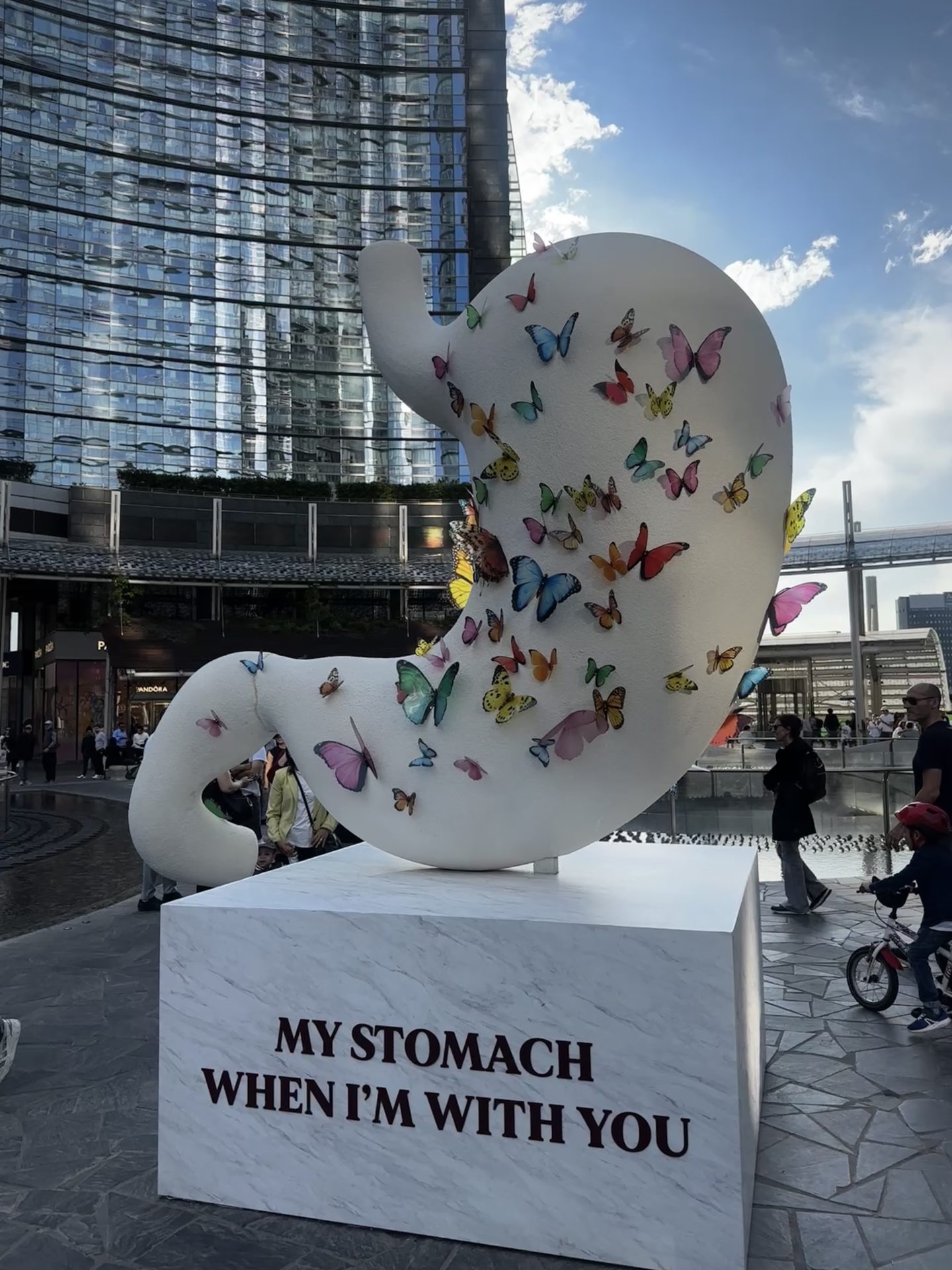
On the same day, Eszter also visited Moncler’s monumental installation, where a giant organic structure almost completely consumed the building’s interior spaces. In contrast, the installations at CityLife Shopping District approached design in a lighter and more interactive way, using playful sculptures and personalised messages to reflect on human emotions and connections.


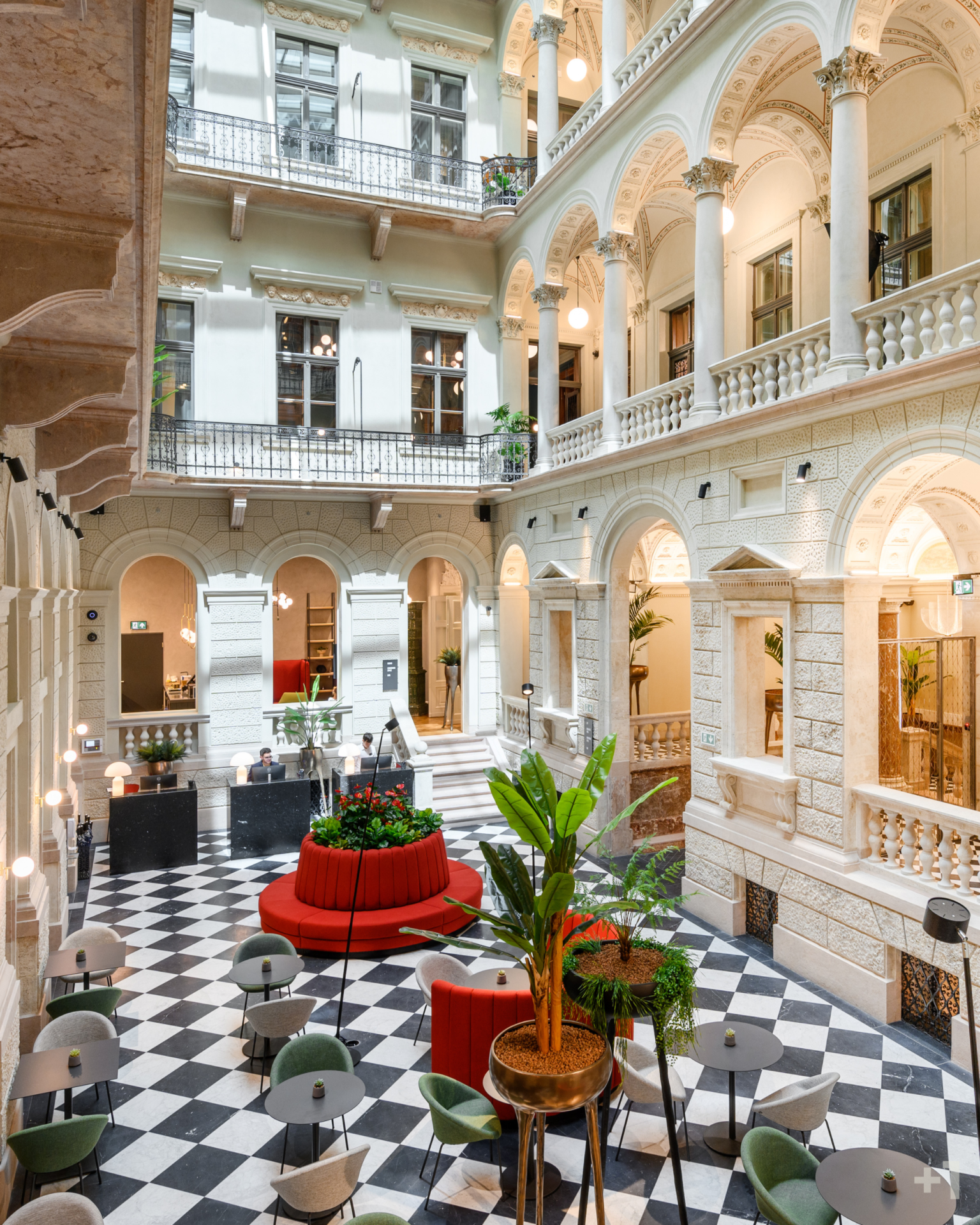
One of the most special experiences of our Monday was Palazzo Visconti, where we were fortunate enough to enter before the official public opening. Exploring the almost empty palazzo created a truly unique atmosphere, allowing us to experience the Migliore + Servetto and Neutra installations in rare calm and intimacy. The dialogue between the historical setting and contemporary design felt especially inspiring here.


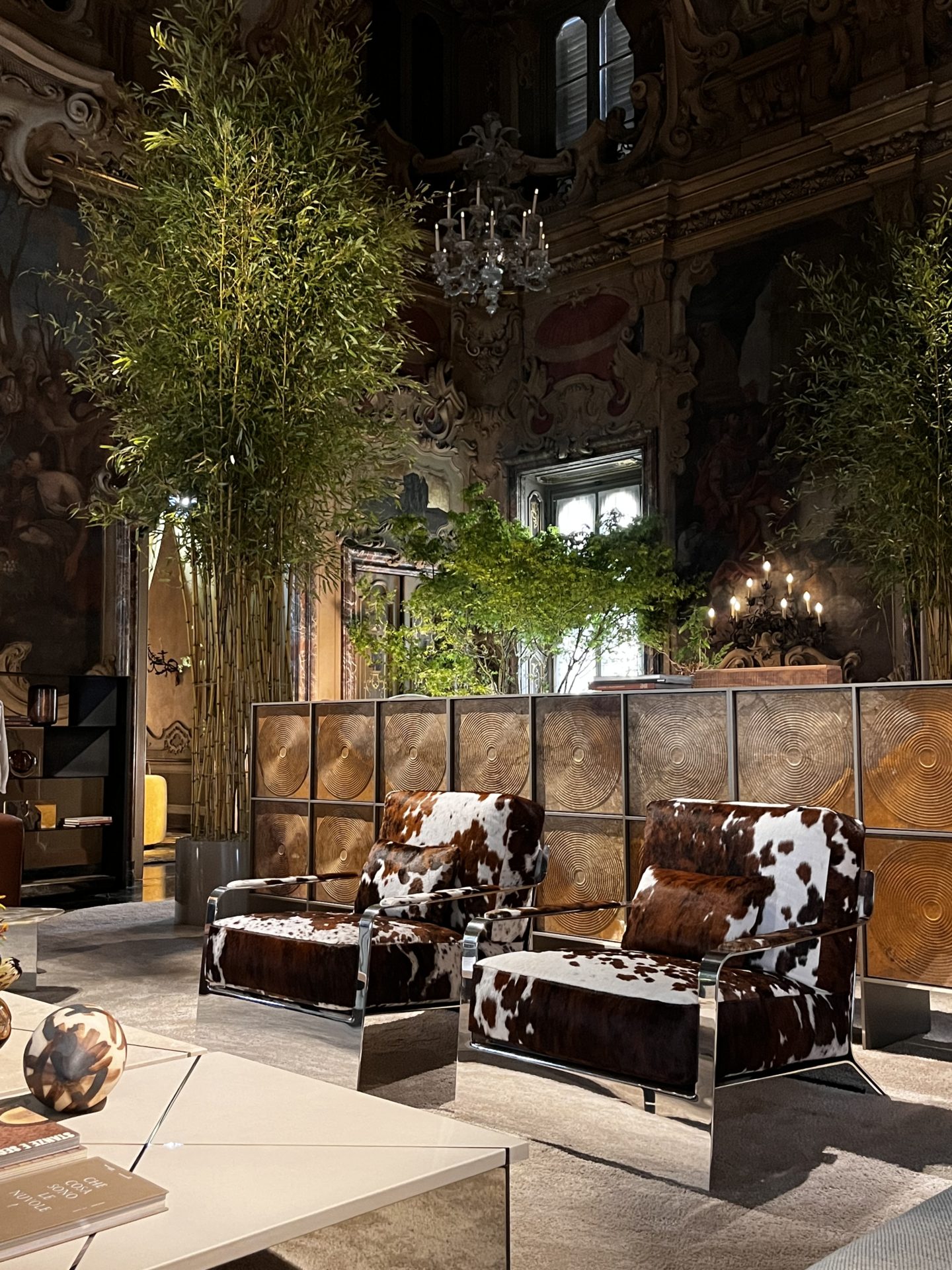
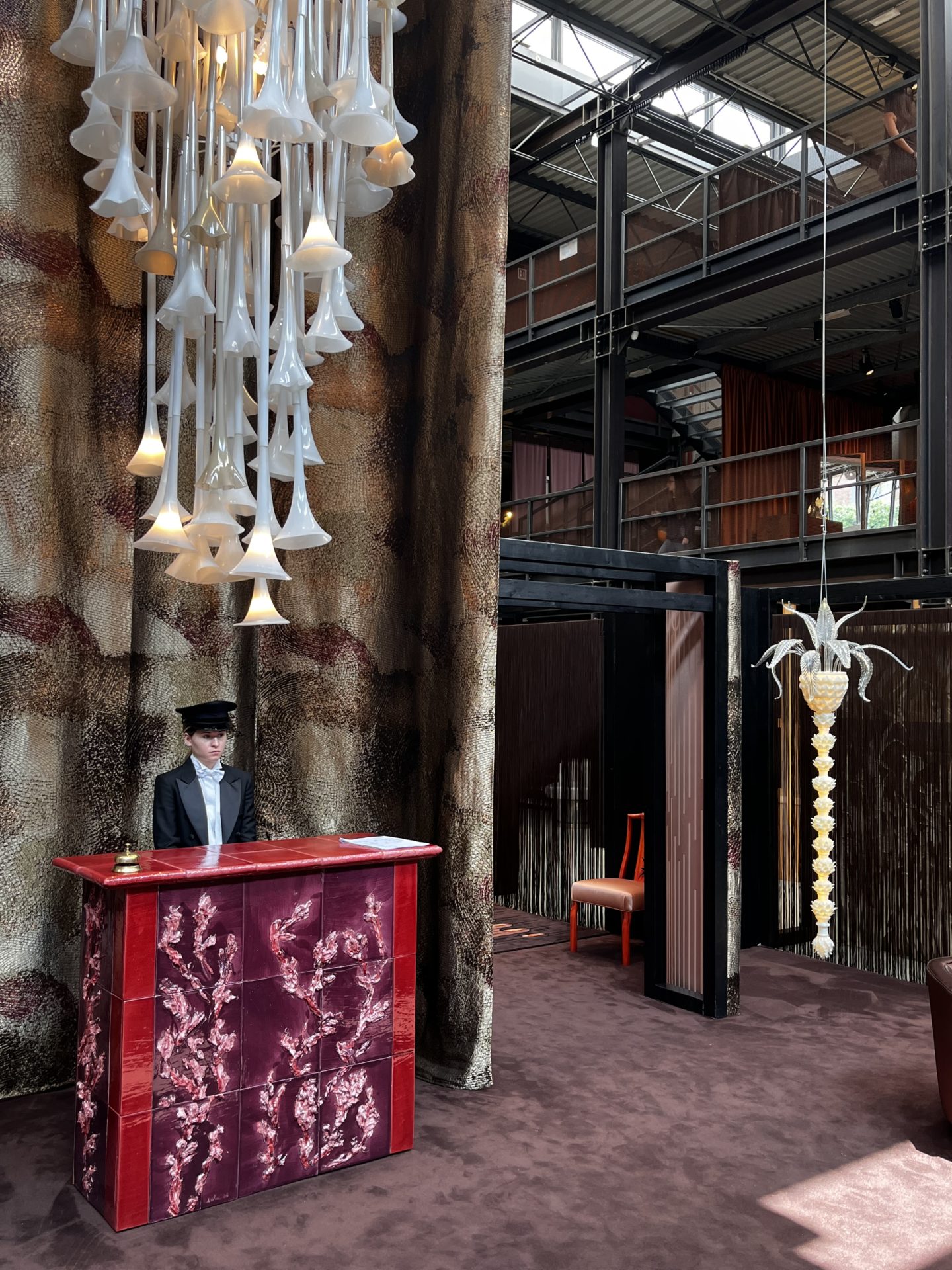
Nilufar Grand Hotel once again delivered one of the strongest curatorial experiences of the week. Nina Yashar’s concept unfolded like a cinematic world made up of layered textures, vintage references, sculptural furniture and contemporary pieces. Every room functioned as its own aesthetic micro-universe while still contributing to one cohesive narrative.


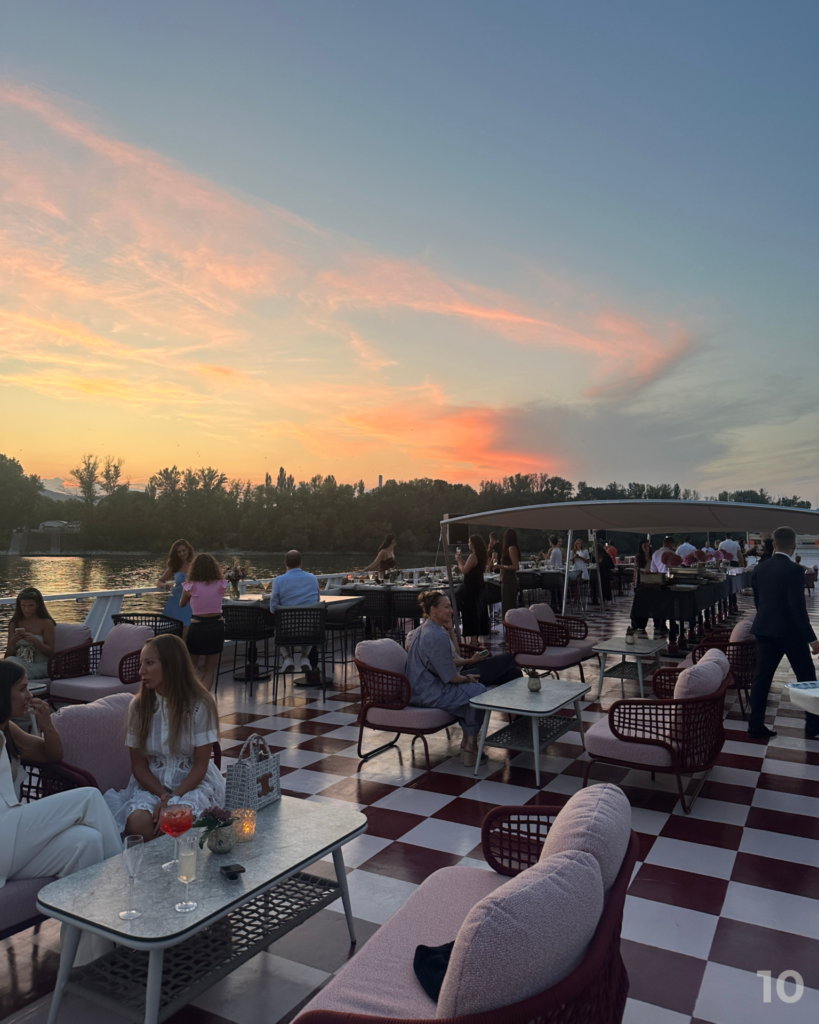
We also revisited Rossana Orlandi’s legendary exhibition space, where experimental materials and conceptual design approaches remained strongly present this year as well. Palazzo Litta was another memorable highlight, where monumental installations and the striking pink labyrinth in the courtyard created a dramatic contrast against the historic architecture. Later that evening, we hosted a partner event at Adrenalina Bar, where we tasted cocktails inspired by different furniture collections.


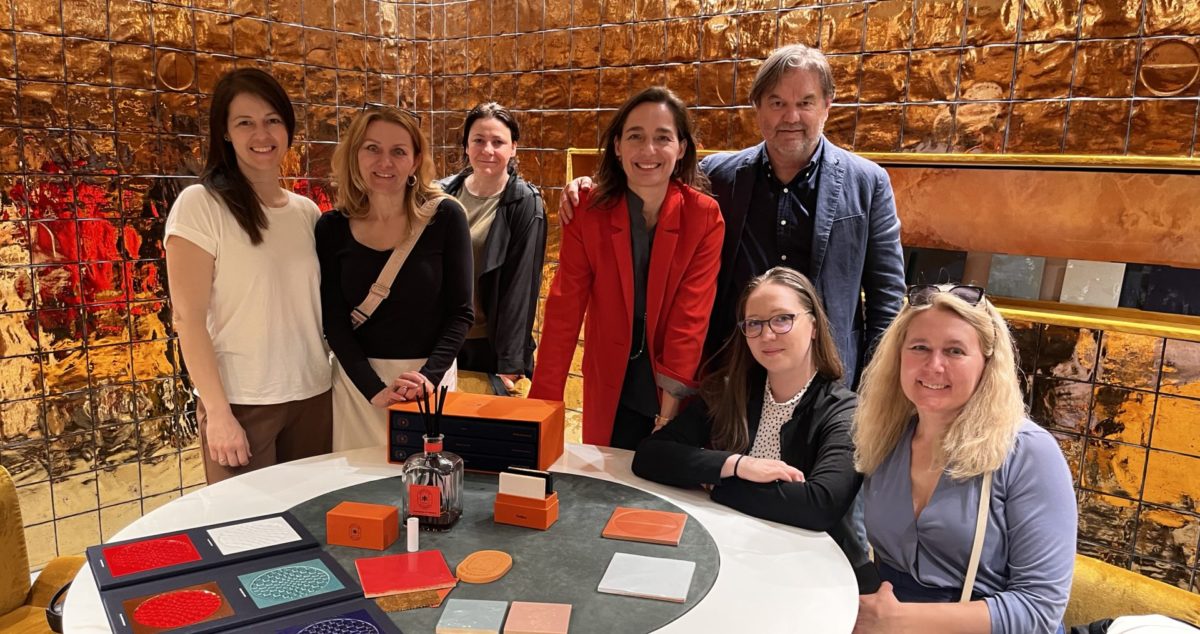
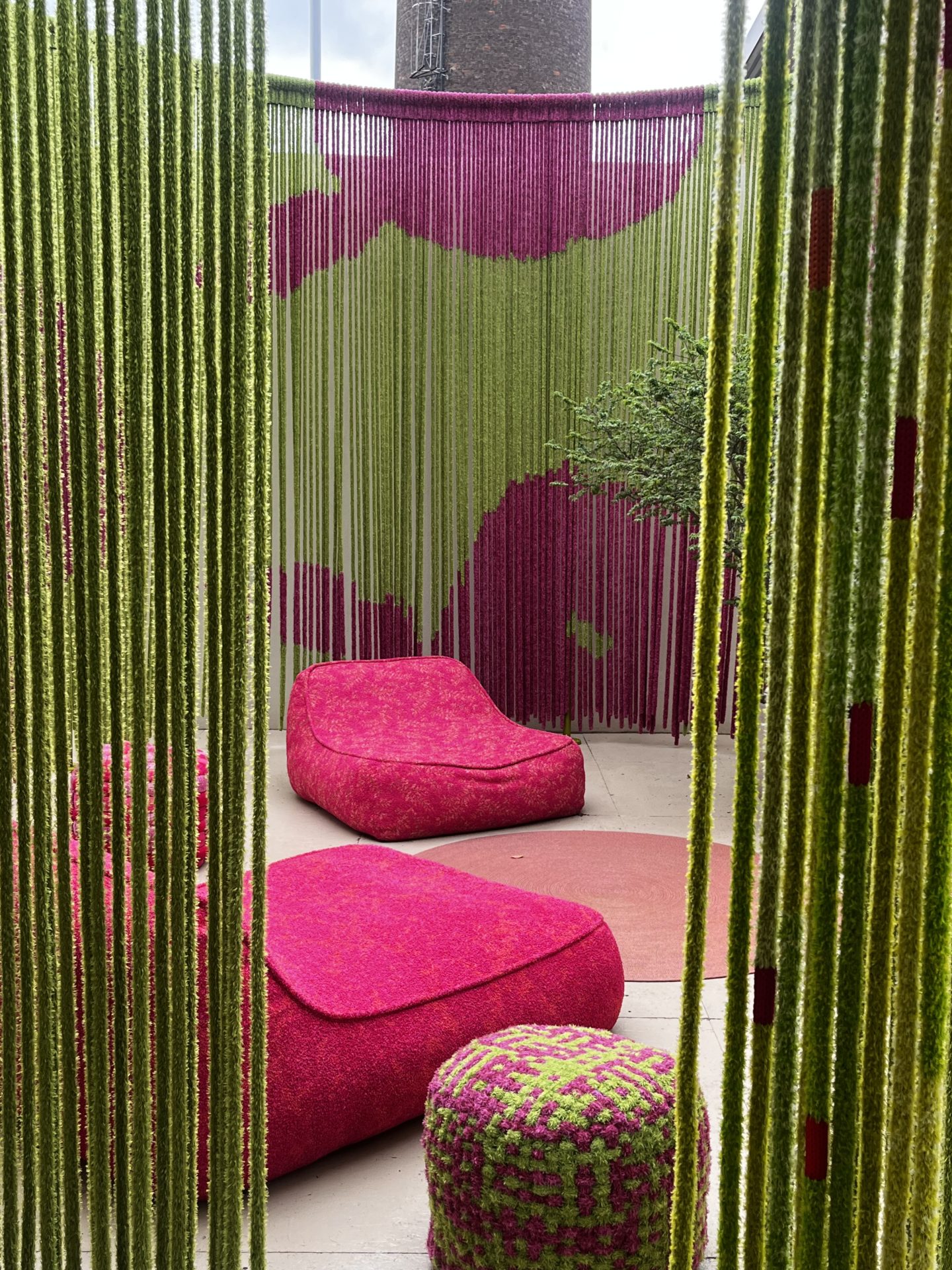
Paola Lenti’s showroom remains one of the true highlights of Milan Design Week every year. The DIALOGHI exhibition transformed colours, textiles and woven textures into a bold yet harmonious visual language, while the outdoor collections brought a refreshing sense of curiosity and playfulness.


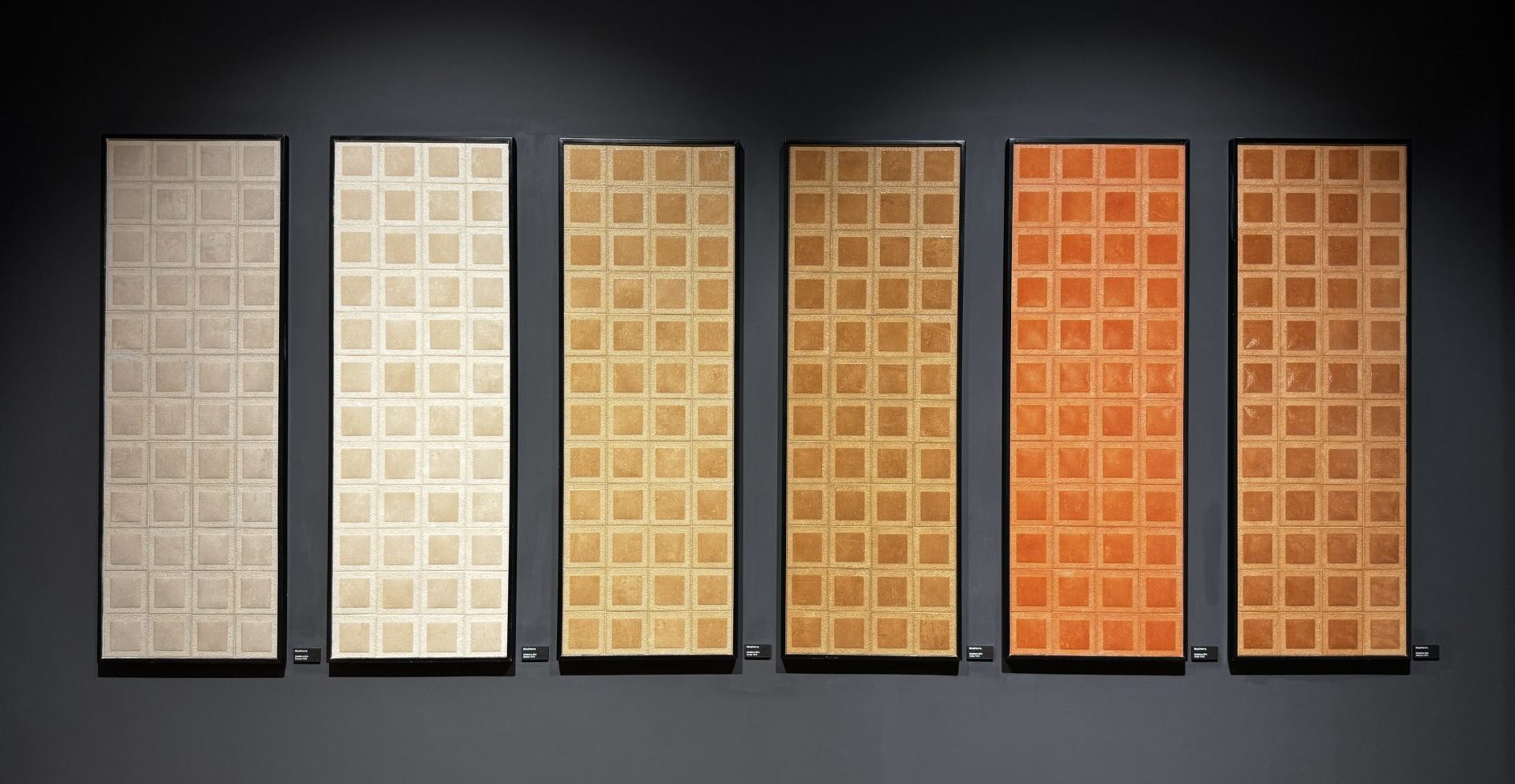
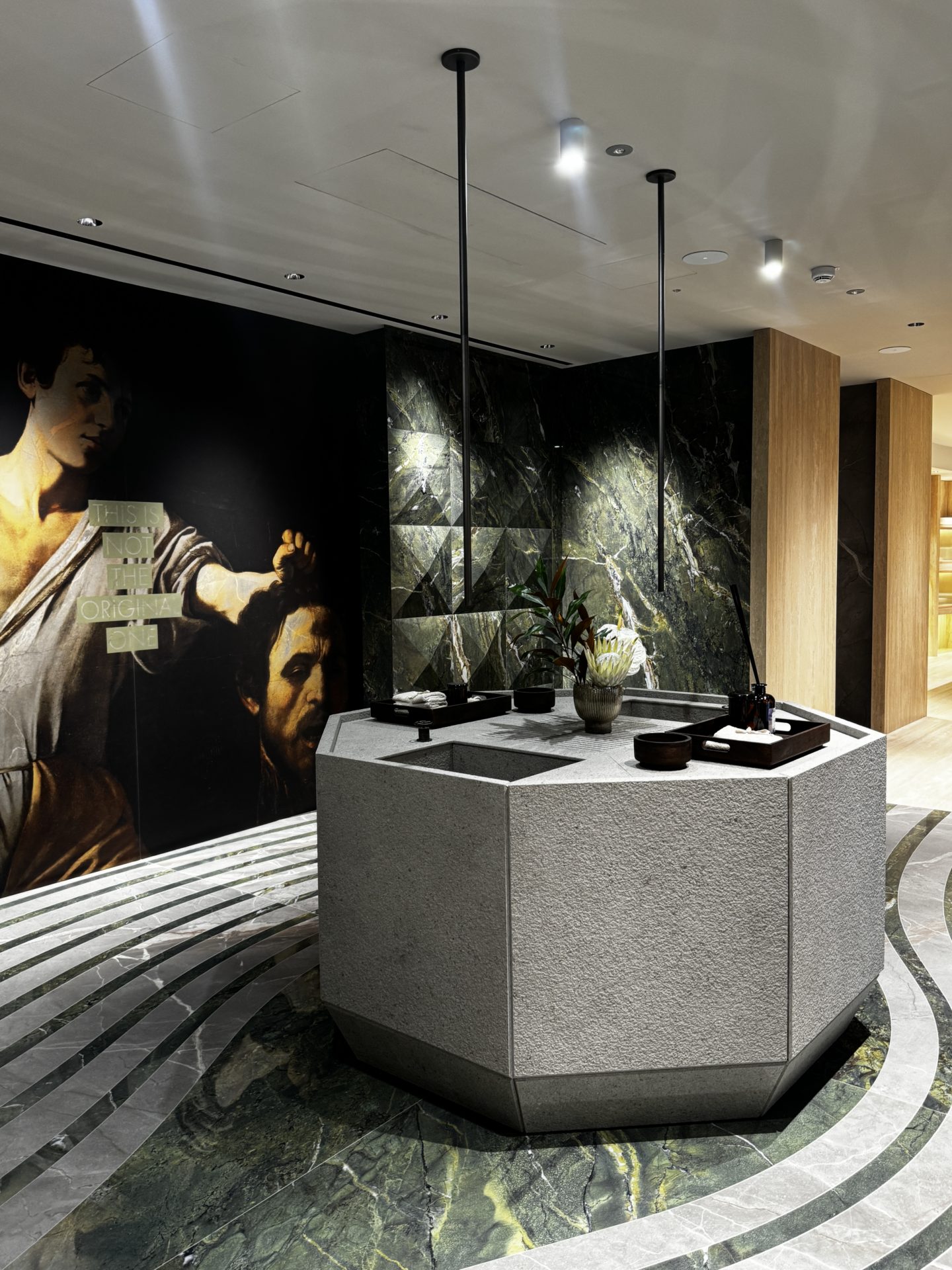
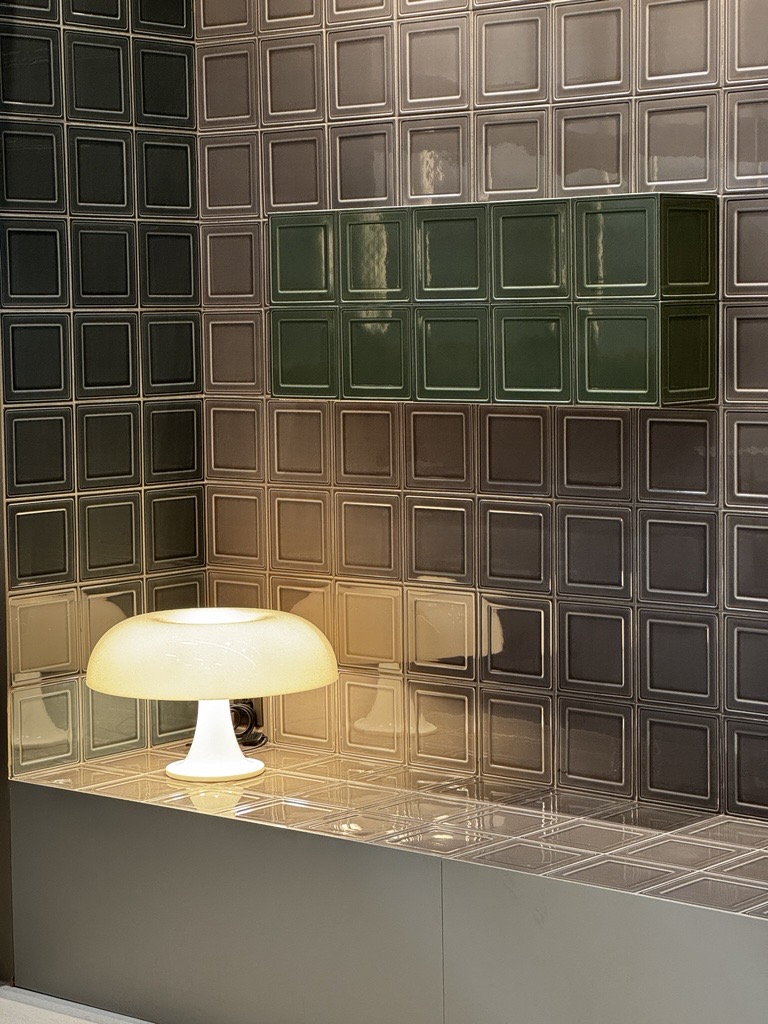
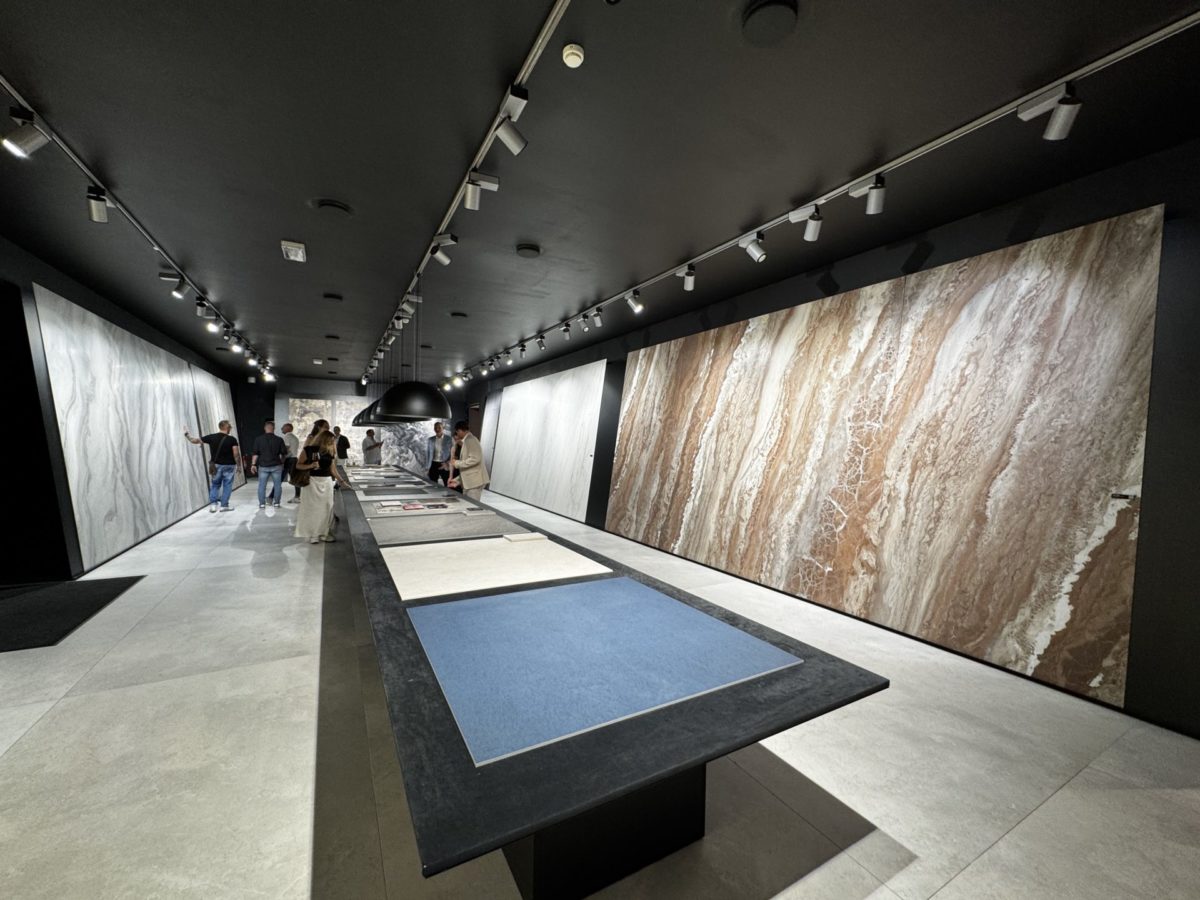
Among this year’s material and technological innovations, two particularly stood out to us: FMG & Iris’ carpet-inspired ceramic surface and Axor’s fully integrated shower system. Axor’s newest solution creates an exceptionally refined architectural effect by recessing the showerhead and all controls flush into the wall surface, eliminating visual clutter and achieving a highly elegant, high-end appearance.

Kartell’s pavilion offered one of the strongest spatial experiences of this year’s Salone. Visitors first entered what appeared to be an almost empty labyrinth of white walls, where the exhibition gradually revealed itself step by step. As we moved deeper into the space, more objects and artworks emerged, until the entire composition finally came together as one complete visual narrative.


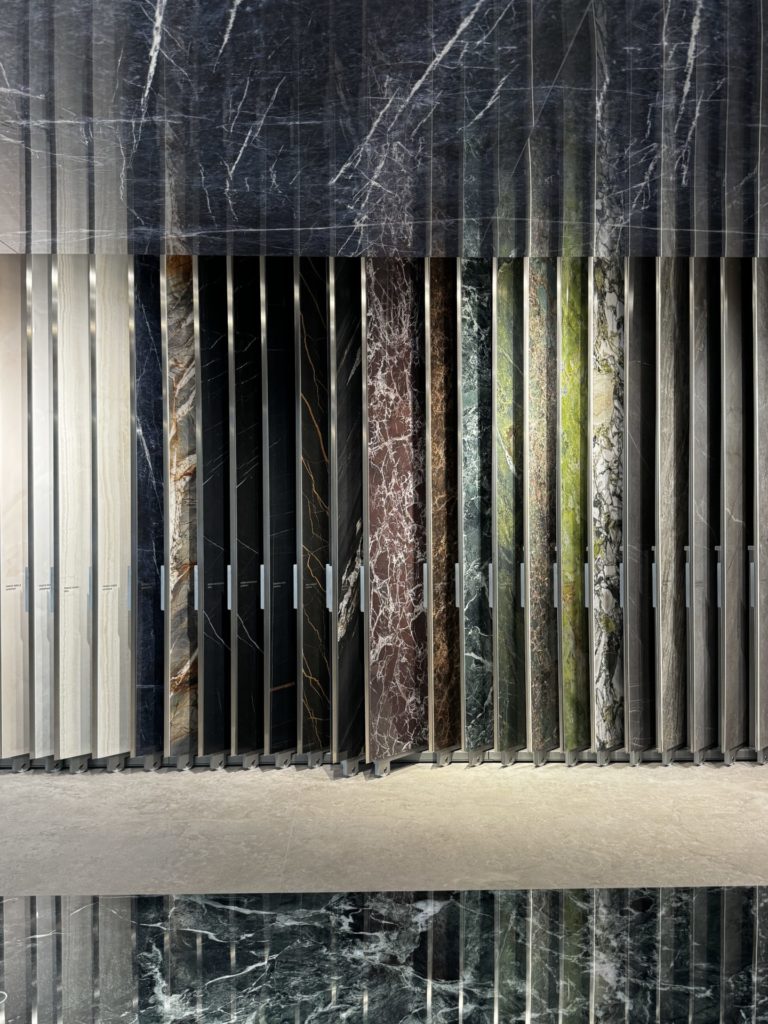
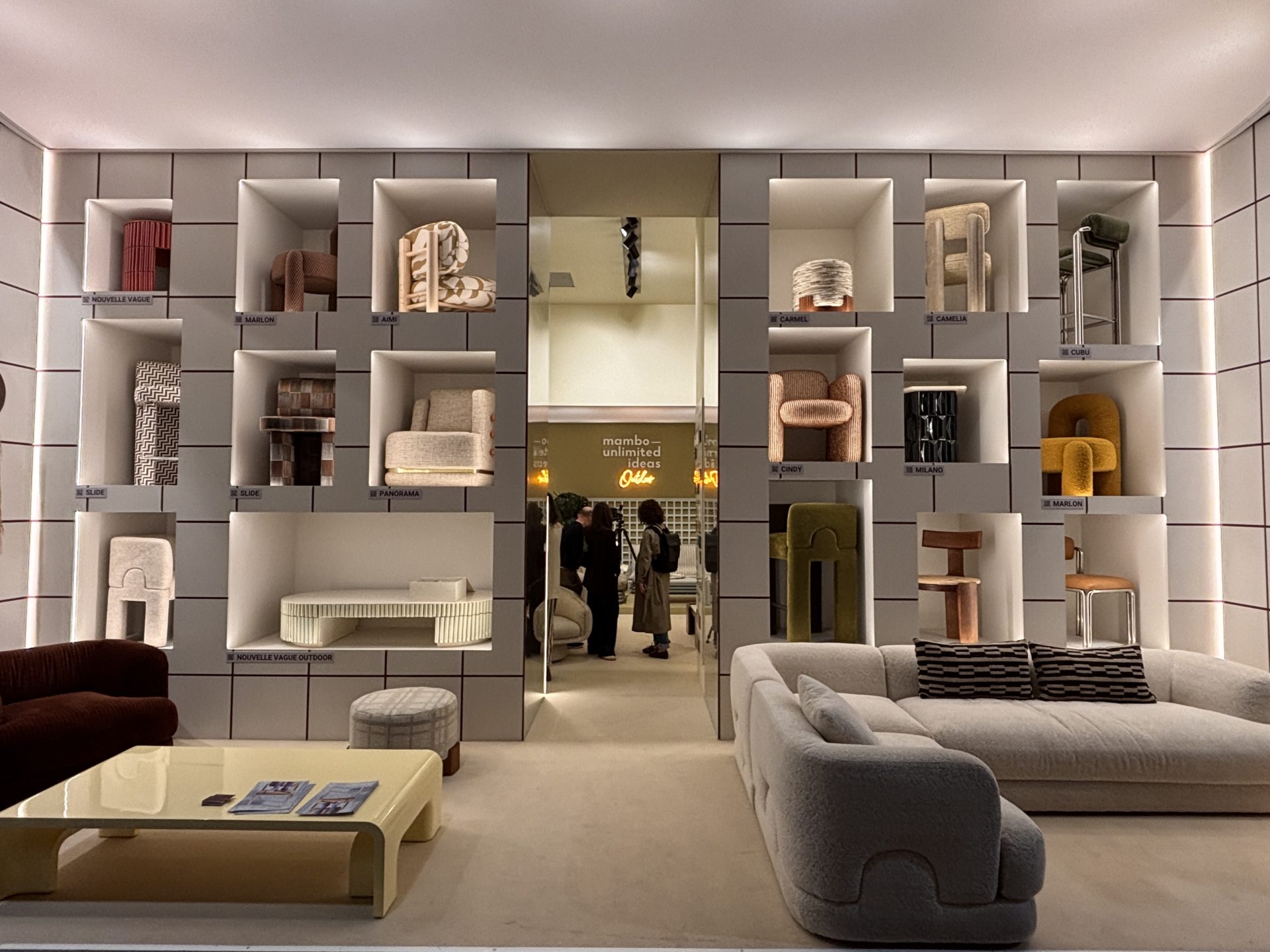
Throughout the week, brands such as Axor, Cielo, Dooq, MIDJ, Sancal and Kartell all reflected the same broader direction within contemporary design: stronger identities, richer materials, sculptural forms and increasingly personal interiors.

One of our favourite discoveries this year was Johanson Design, whose Scandinavian yet highly characterful furniture immediately caught our attention. We were also inspired by the iconic sculptural pieces of WOO, where furniture often felt closer to collectible art objects than traditional functional design.

This year’s Milan Design Week once again confirmed for us that contemporary interiors are no longer afraid of emotion, personality or visual intensity. The interiors of the future will be more layered, more expressive and far more personal — and perhaps that is exactly what will make them timeless.


Categories
blog Események

Színek, karakter, rétegzettség — Milan Design Week 2026

Az idei Milan Design Week ismét bebizonyította: a designvilág végérvényesen kilépett a visszafogott minimalizmus és a neutrális „safe space” esztétikájából. A Salone del Mobile és a Fuorisalone kiállításain idén szinte mindenütt egy sokkal bátrabb, érzelmibb, karakteresebb szemlélet uralkodott — erőteljes színek, szoborszerű formák, gazdag anyaghasználat és egy olyan vizuális nyelv, amely nem fél a teatralitástól. A hosszú évekig domináló bézs, japandi és steril modernista irányzatok mellett egyre markánsabban tér vissza az eklektikus, érzelmekkel telített design, amely a századforduló eleganciájától a hetvenes-nyolcvanas-kilencvenes évek merész világáig nyúl inspirációért — de már kortárs szemlélettel újraértelmezve.

Már a vasárnapi érkezésünk is erős nyitány volt. Az idei első állomás az évek óta ikonikus Casa Ornella volt, amely idén egy lila, mélykék, arany és fekete tónusokban úszó, extravagáns enteriőrrel fogadta a látogatókat. A különböző korszakokból inspirálódó formák és a szándékosan túlzó stíluskeverések egyszerre hatottak játékosan és provokatívan — a Casa Ornella továbbra is inkább egy vizuális kísérlet, mint klasszikus enteriőr-bemutató.


Ugyanezen a napon Eszter megtekintette a Moncler monumentális installációját is, ahol a gigantikus, organikusan tekergő struktúra szinte teljesen magába olvasztotta az épület tereit. A CityLife Shopping District installációi ezzel szemben könnyedebb hangulatot képviseltek: az interaktív, üzenetekkel ellátott szobrok játékos módon reflektáltak az emberi érzelmekre és kapcsolódásokra.

A hétfői napunk egyik legkülönlegesebb élménye a Palazzo Visconti volt, ahová még a hivatalos nyitás előtt sikerült bejutnunk. A szinte üres palazzo egészen különleges atmoszférát teremtett, így ritka módon nyugodtan fedezhettük fel a Migliore + Servetto és a Neutra installációit. A történelmi környezet és a kortárs design érzékeny kapcsolata itt különösen inspirálóan működött.


A hétfői napunk egyik legkülönlegesebb élménye a Palazzo Visconti volt, ahová még a hivatalos nyitás előtt sikerült bejutnunk. A szinte üres palazzo egészen különleges atmoszférát teremtett, így ritka módon nyugodtan fedezhettük fel a Migliore + Servetto és a Neutra installációit. A történelmi környezet és a kortárs design érzékeny kapcsolata itt különösen inspirálóan működött.


A Nilufar Grand Hotel idén is az egyik legerősebb kurátori élményt nyújtotta számunkra. Nina Yashar koncepciója egy sokrétegű, szinte filmszerű világként bontakozott ki: vintage és kortárs elemek, gazdag textúrák és szoborszerű bútorok találkoztak egymással egyetlen komplex narratívában. Minden tér külön mikrovilágként működött, mégis tökéletes egységet alkotott.


Természetesen idén is ellátogattunk Rossana Orlandi legendás kiállítóterébe, ahol a kísérletező anyaghasználat és a konceptuális design idén is hangsúlyosan jelent meg. A Palazzo Litta szintén emlékezetes állomás volt: a történelmi terekben elhelyezett monumentális installációk és az udvar rózsaszín labirintusa látványos kontrasztot alkottak a klasszikus építészeti környezettel. Az este során az Adrenalina Bar partnereseményén különböző kollekciókról elnevezett koktélokat is megkóstolhattunk.


A Paola Lenti showroom minden évben különleges színfoltja a designhétnek. A DIALOGHI kiállításban a színek, szövések és textúrák rendkívül karakteres, mégis harmonikus nyelvvé álltak össze, miközben a kültéri használatra tervezett darabok bátor és játékos szemléletet képviseltek.


Az idei technológiai és anyaghasználati újítások közül különösen emlékezetes maradt számunkra az FMG & Iris szőnyeghatású hidegburkolata, valamint az Axor új, teljesen falba simuló zuhanyrendszere. Az Axor megoldása különösen elegáns és high-end szemléletet képvisel: a zuhanyfej és a vezérlőpanelek szinte teljesen eltűnnek a fal síkjában, letisztult és építészeti összhatást teremtve.

A Kartell pavilonja az idei Salone egyik legerősebb térélménye volt. A látogató kezdetben egy üresnek tűnő, fehér falakkal határolt labirintusba lépett be, ahol fokozatosan tárultak fel a designobjektumok és a hozzájuk kapcsolódó művészeti alkotások. Ahogy egyre mélyebbre jutottunk a térben, a kiállítás teljes kompozíciója lassan összeállt — egy tudatosan felépített vizuális dramaturgia részeként.


Az idei Salone során számos ikonikus márkával találkoztunk — többek között az Axor, Cielo, Dooq, MIDJ, Sancal vagy Kartell bemutatói is jól tükrözték azt az irányt, amerre jelenleg a nemzetközi designvilág tart: karakteresebb formák, gazdagabb anyaghasználat és sokkal személyesebb enteriőrök felé.

+1 felfedezésünk idén a Johanson Design volt, amelynek skandináv szemléletű, mégis karakteres bútorai azonnal felkeltették a figyelmünket. Emellett a WOO ikonikus, szoborszerű darabjai is különösen inspiráló benyomást tettek ránk.

Az idei Milan Design Week számunkra ismét megerősítette: a kortárs design ma már nem fél az érzelmektől, a karaktertől és a vizuális intenzitástól. A jövő enteriőrjei sokkal személyesebbek, rétegzettebbek és bátrabbak lesznek — és talán éppen ettől válnak igazán időtállóvá.


Categories
blog magazin

“Beige Is the New White” – Inside Our Visit to EGGER

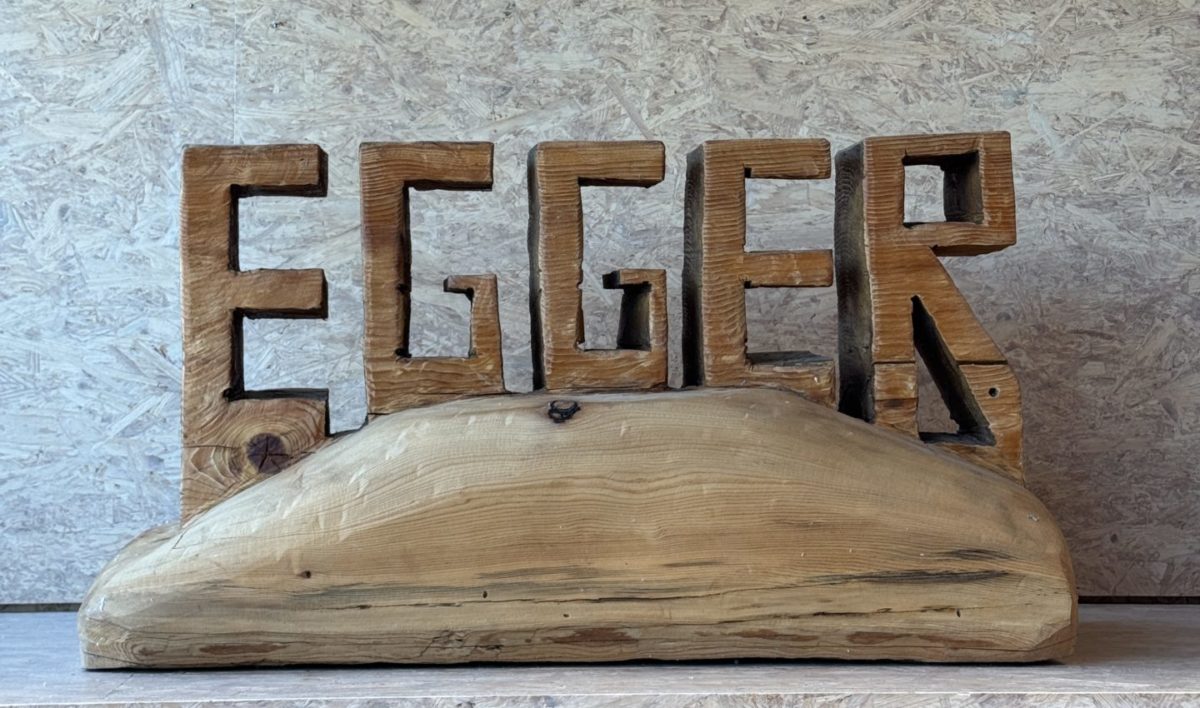
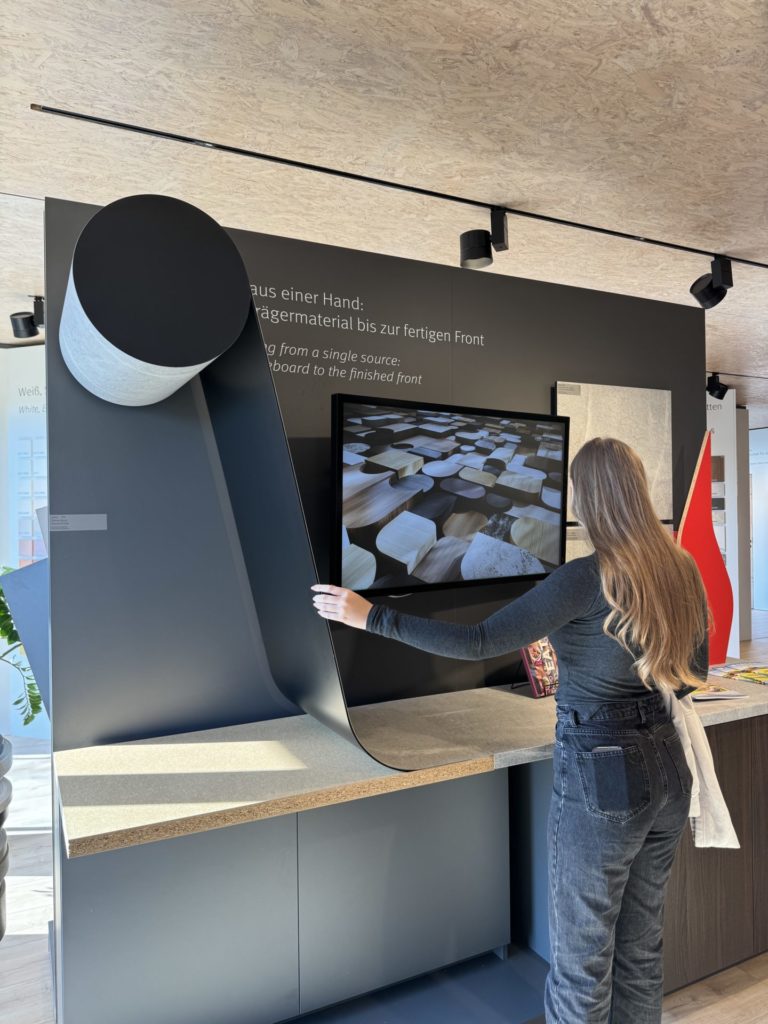
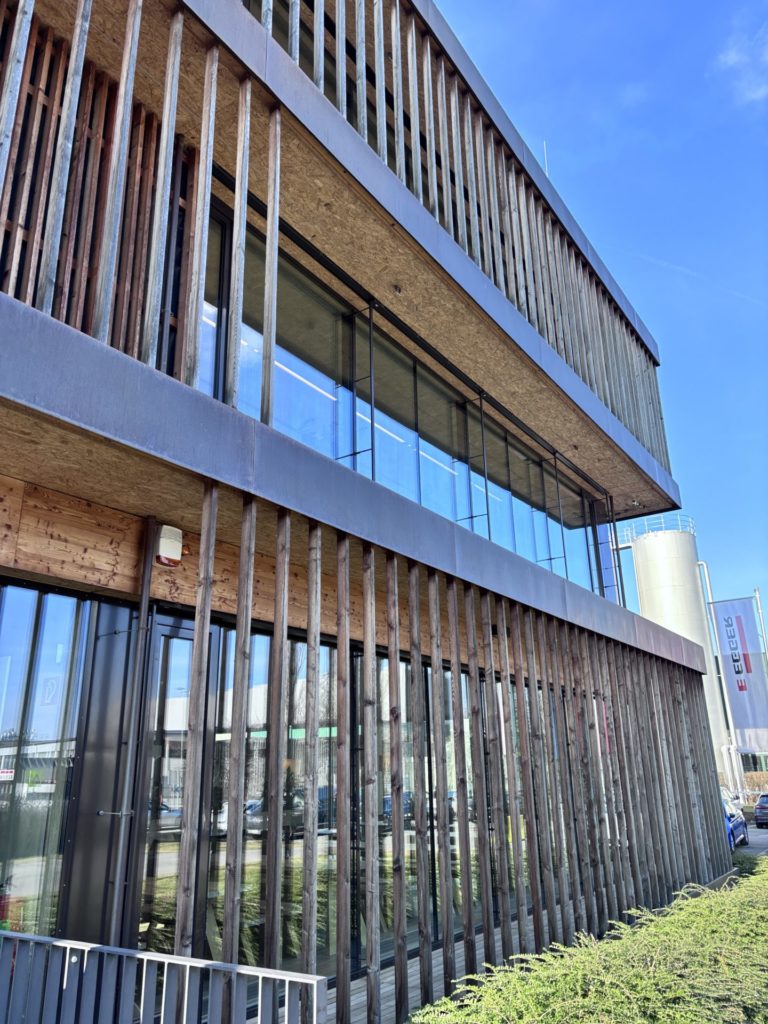
During our visit to the EGGER Group’s manufacturing facility in Unterradlberg, Austria, we had the opportunity to experience the entire lifecycle of decorative boards up close. Located near St. Pölten, the factory impresses not only with its scale, but also with its remarkable technological precision.


Walking through vast production halls filled with the unmistakable scent of wood, we followed the manufacturing process step by step. From finely processed wood fibres, enormous presses form the raw boards, which then travel through extensive production lines to gain their final structure and performance characteristics. Whether enhanced with impregnated surfaces or fire-resistant properties, each material is engineered precisely for its intended application before emerging as a finished decorative surface. After cutting and packaging, the boards are loaded onto trucks and shipping containers, ready to continue their journey across continents by land and sea.

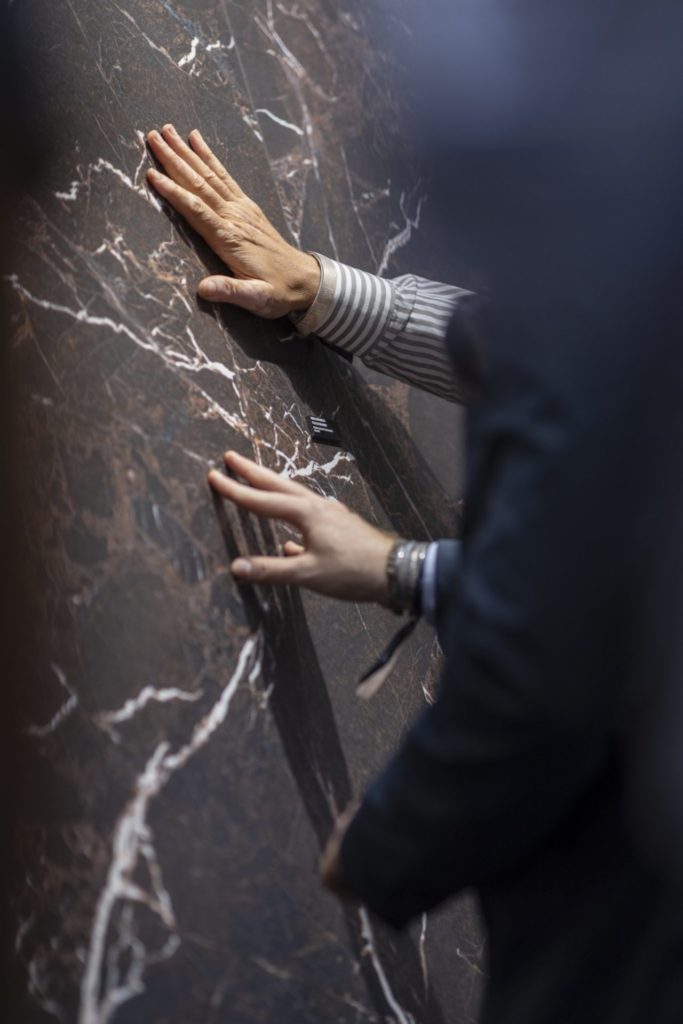
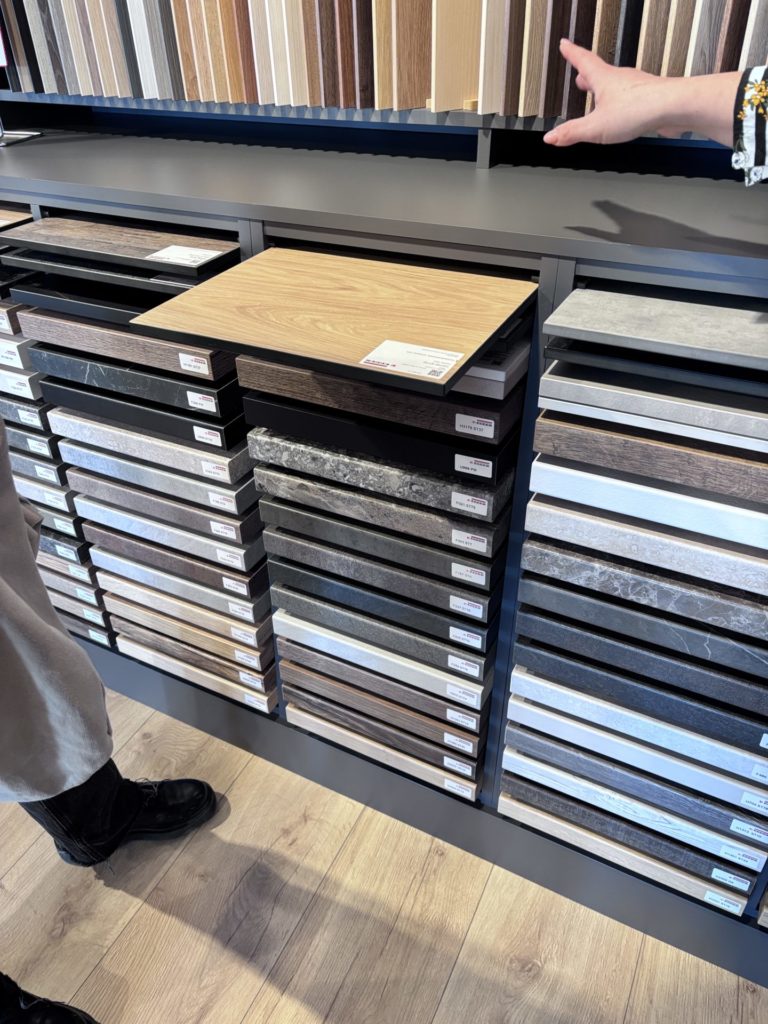
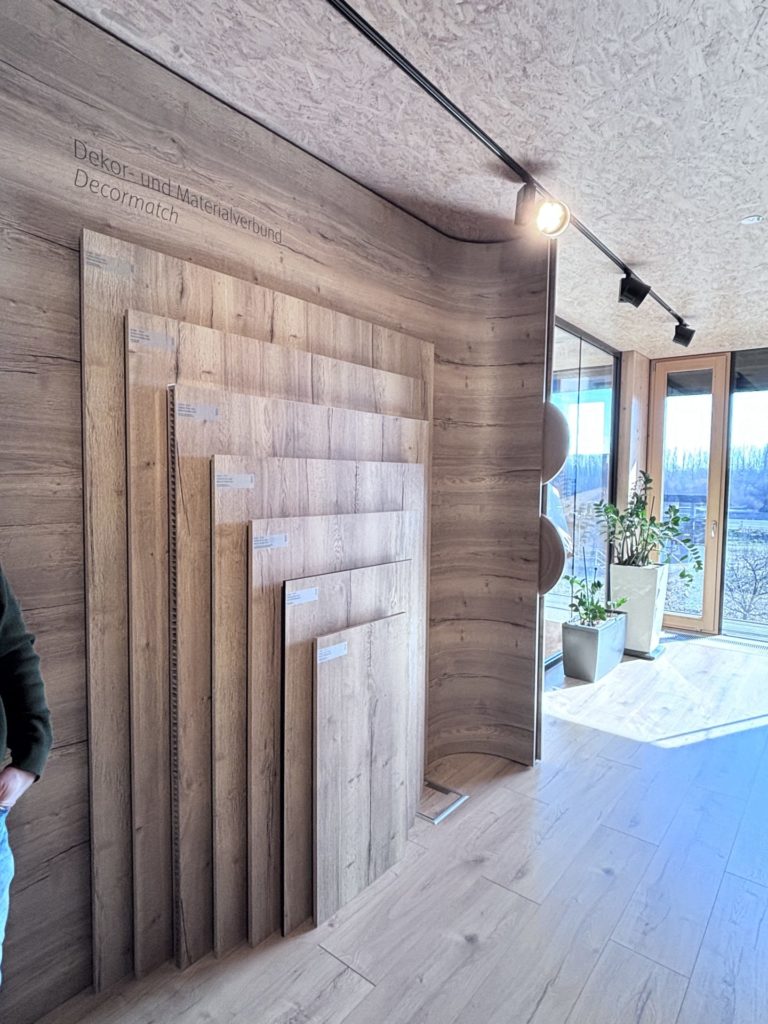
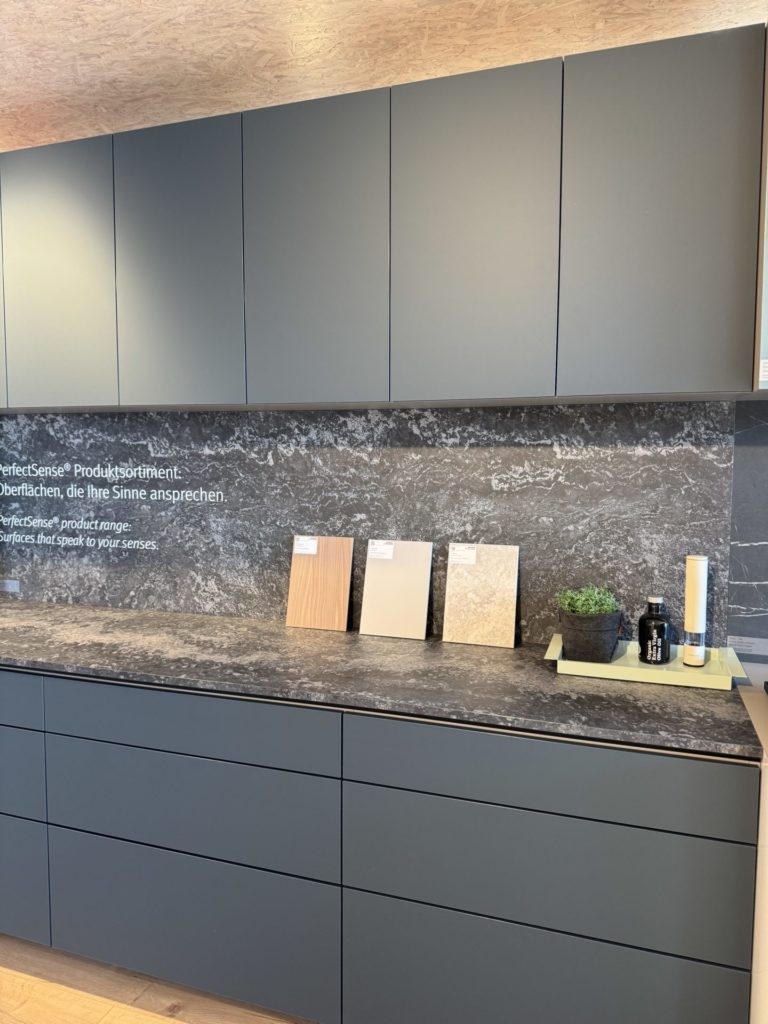
The occasion for our visit was the presentation of the new Decorative Collection 26+. Reflecting the latest interior trends, the collection’s updated palette of colours and textures – where beige truly steps forward as the new defining neutral – offers strong inspiration for furniture and interior design projects alike. Natural woodgrain finishes, tactile surfaces and nuanced warm tones fit seamlessly into the language of contemporary interiors.


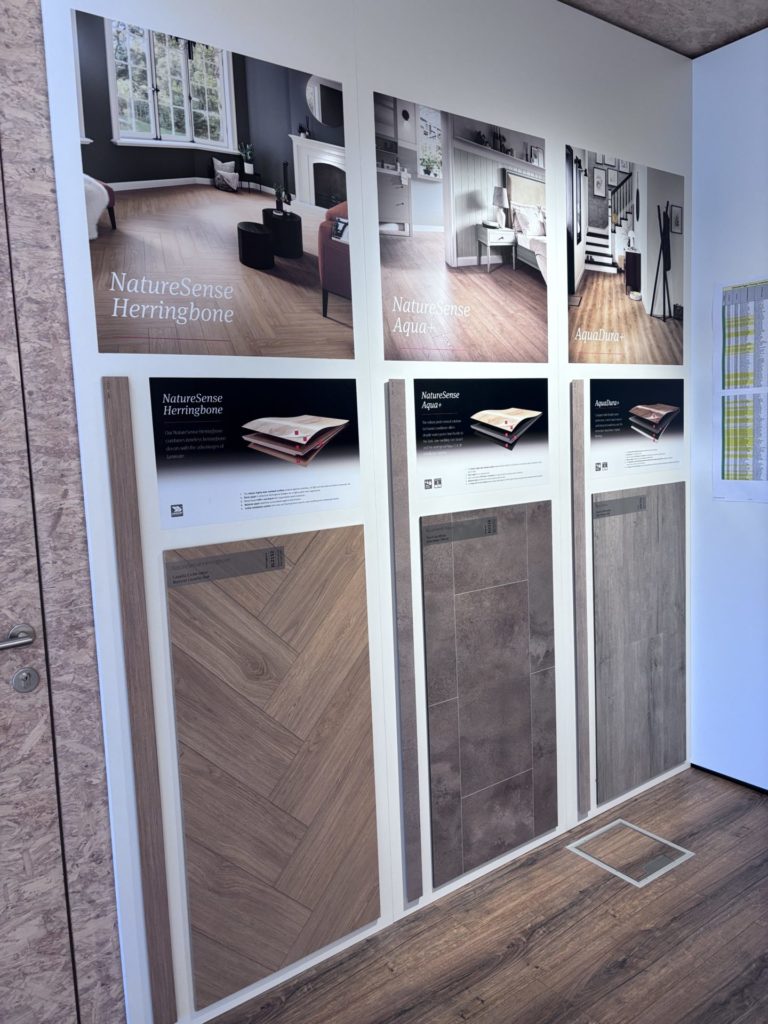
Beyond showcasing the new collection, our hosts also introduced the digital tools and planning systems developed to support architects and designers throughout the entire creative process, from early concept development to final implementation.

One particularly reassuring aspect of the visit was seeing the large quantities of reclaimed furniture material awaiting recycling within the factory grounds. Here, circular thinking is far more than a corporate principle – it is a tangible reality. Wood materials are reintegrated into the production cycle with minimal waste, given new purpose in the interiors of tomorrow.

Categories
About us blog

„A bézs az új fehér” – üzemlátogatáson jártunk az EGGER-nél

Az osztrák EGGER Group unterradlbergi gyárában tett látogatásunk során testközelből követhettük végig a dekorlapok születésének teljes folyamatát. A St. Pölten városához tartozó üzem nemcsak méreteiben lenyűgöző, hanem technológiai precizitásában is.


A fa illatával átitatott csarnokokban szinte lépésről lépésre haladtunk végig a gyártási folyamaton: a felaprított farostból hatalmas présgépek formálnak táblákat, amelyek hosszú gyártósorokon haladva nyerik el végleges szerkezetüket. Az egyes technológiák – legyen szó impregnált vagy tűzvédelmi tulajdonságokról – pontosan a kívánt felhasználáshoz igazítják az anyagot, míg végül megszületik a kész felület. A szabást és csomagolást követően a lapok kamionokra és konténerekbe kerülnek, hogy szárazföldön vagy tengeren induljanak tovább a világ különböző pontjaira.

Látogatásunk apropója az új Decorative Collection 26+ kollekció bemutatója volt. A friss trendekre reflektáló szín- és textúraválaszték – ahol a bézs valóban új alapárnyalattá lép elő – komoly inspirációt jelent a bútor- és belsőépítészeti tervezésben. A természetes hatású faerezetek, a finom tapintású felületek és az árnyalt, meleg tónusok jól illeszkednek a kortárs enteriőrök világához.


Vendéglátóink nemcsak az új kollekciót mutatták be, hanem azokat a tervezést segítő eszközöket és rendszereket is, amelyek valódi támogatást jelentenek az építészirodák számára a koncepcióalkotástól a megvalósításig.

Különösen megnyugtató volt látni a gyár területén felhalmozott, újrahasznosításra váró bontott bútoralapanyagot. A körforgásos szemlélet itt nem csupán vállalati irányelv, hanem kézzelfogható valóság: a faanyag minimális veszteséggel kerül vissza a gyártási folyamatba, új életet kapva a következő enteriőrökben.

Az unterradlbergi látogatás számunkra nemcsak technológiai betekintés volt, hanem inspiráló megerősítés is: a jövő enteriőrjei a természetesség, a fenntarthatóság és a finom, meleg tónusok irányába mutatnak.

Categories
About us blog

Conscious, effortless, and charismatic: este’r partners celebrates 20th birthday

One of Hungary’s leading interior design studios is celebrating two decades of work and achievements: este’r partners has made its mark through the unique and timeless interior design of Budapest’s iconic hotels, as well as restaurants, bars, galleries, villas, heritage buildings, and private residences. By now, the studio’s success extends far beyond national borders. Recognized with multiple international awards and known for numerous global projects, este’r partners has reached yet another milestone: they have been commissioned to design a prominent hotel development in Warsaw.

Interior designer Eszter Radnóczy founded the este’r partners studio in 2005. The firm specializes in interior and architectural design, project management, execution, and creative product development. Eszter studied interior design at the Interior Design Institute in Milan, and previously earned a degree in economics from Corvinus University in Budapest. She launched her own design studio in her family’s hometown of Szentendre with the aim of developing lasting and authentic design concepts that ensure the success of each project. In addition to the studio, Eszter Radnóczy is also the founder of the Estorio showroom, which showcases 35 international brands in a concept apartment near the Opera House, built on their extensive global network.
estorio

“I approached building este’r partners with great momentum and enjoyed every minute of it. I was driven by dedication to the profession, love, a desire to learn, and the urge to create. We aim to design spaces where it is truly an experience to exist. Even if not every detail was fully established at the beginning, building the company and its systems, finding my colleagues, and getting to know our first projects and clients made for a busy, lovable, and exciting start,” recalls Eszter Radnóczy. Their first clients commissioned the team to design family homes and villas, while a major step forward came with their first large-scale hotel project: the Park Plaza Hotel, which remains a client to this day.

With studios in Szentendre, Hungary and Milan, Italy the firm is made up of a dedicated and talented team of interior designers, architects, graphic designers, 3D specialists, and project managers. The core mission of este’r partners is to push the boundaries of creativity while designing spaces that align perfectly with their clients’ visions. Establishing a close relationship with clients at the start of each project is essential, ensuring a deep understanding of their ideas so that every dream can be realized through a creative interior concept. The studio also provides comprehensive support during implementation, ensuring high-quality execution faithful to the original designs, with particular attention to deadlines and budget.

Speaking about success, Eszter Radnóczy says: “I see myself as a determined and clear-minded person who continuously dares to look in the mirror and take responsibility for my decisions. Professionally, happiness lies in the design process itself, which fills our everyday lives, just as much as the completion of successful projects or opening events where we can proudly celebrate the results with colleagues and clients. Returning to Milan and opening an office there years ago was a major milestone, but 2025 was also particularly successful, as winning new international projects brought visibility and recognition on a global scale.”
Although they are best known in Hungary for high-end residential and hotel projects, este’r partners is especially proud of its extensive client portfolio. Their work includes the award-winning five-star Petit Bois Füred hotel, TRIBE Budapest Airport Hotel, Hotel Emerald Residence, Hotel Oktogon Haggenmacher, Hotel Moments, art’otel, Budai Polgári Casino, Vagheggi showroom, Zazie Bistro, Pomodoro Budapest, Adrienne Feller salons, the Sfinx Bar on Andrássy Avenue, La Fabbrica, the Zwack Unicum showroom, the Hungarian Academy of Sciences’ Agricultural Research Centre in Martonvásár, and the Kieselbach Gallery. Currently, alongside several major hotel projects, they are working on Warsaw’s newest hotel development – proudly having won the commission in strong competition against prestigious international studios.


What has changed, and what has remained constant over the past two decades? “Since the beginning, we have continuously grown and evolved, developing a highly efficient operational system with clear responsibilities, professional teams, and organizational units that make our work transparent and smooth. At the same time, our passion for the profession has remained unchanged, even as we’ve had to rise to increasingly complex challenges. Each new project is like a breath of fresh air. We work with great experience, but never on autopilot: we strive for uniqueness, timelessness, and charismatic solutions.”

Eszter and her team are happiest when working in their studio in Szentendre, created from a former hunting lodge by the Danube, which also functions as a gallery. “An inspiring office environment intertwined with art and nature means a lot to everyone. Over two decades, we have built up a comprehensive materials and catalog library, which is one of the essential tools of our work. In a way, everything is in place- now it’s up to the team to dare to dream big. And so far, we feel we’ve always succeeded.”

Categories
blog magazin

The Return of Moiré – Undulating Luxury in Contemporary Interiors

In interior design, much like in other artistic fields, certain forms, surfaces, and patterns return from time to time. They recall the elegance of an earlier style while at the same time acquiring a new character within a fresh, contemporary context.

In recent years, an unusual, wave-like pattern has begun to appear in more and more interiors: moiré. Resembling the gentle rippling of water, this motif brings a distinctive sense of depth and movement to surfaces. It may also evoke the grain of wood, while in combination with colour it can create a vibrant, youthful energy. Because of its organic quality and visual richness, designers have rediscovered it and are increasingly drawn to its use.


The Story of a Royal Fabric

Moiré originally refers to a textile technique that appeared in Europe as early as the 17th century. The word comes from the French moirer, referring to a watery, undulating surface. Traditionally, the pattern was created on silk: the damp fabric was pressed with high-pressure rollers so that the threads bent subtly in different directions, producing the characteristic effect.

For a long time, moiré silk was associated with luxury and representation. It appeared in royal courts, palaces, and elegant interiors, typically on wall coverings, draperies, and upholstery. This kind of shimmering luxury fitted perfectly into the richness and theatricality of the Baroque.


Optical Play and Visual Depth

What makes moiré especially fascinating is that it is not only a textile pattern but also an optical phenomenon. When two similar structures are layered with a slight offset, a wavelike interference pattern emerges. This optical effect is what gives the surface its vibrating, almost moving quality.

As Elle Decor notes in its article on moiré, designers are returning to this pattern today primarily because it introduces a distinctive texture and a subtle play of light into a space.


Moiré in Contemporary Interiors

Today, moiré appears not only in textiles. It is increasingly found in wallpapers, decorative panels, and wall coverings as well. A number of international manufacturers — including Dedar, Élitis, Lelièvre Paris, Arte, and Texam — have incorporated the pattern into their current collections.

In contemporary interiors, moiré often appears in restrained shades such as sand, off-white, deep grey, or darker tones, which makes it feel both elegant and modern. At the same time, its more vibrant, colourful versions also find their place in bolder interiors with a retro spirit, where the pattern fits just as naturally.

An Old Technique, A New Source of Inspiration

Moiré is a striking example of how a centuries-old technique can return to contemporary design. Its undulating surface feels both classic and modern at once — and perhaps that is exactly why it has once again become such an exciting source of inspiration in interior architecture.

Categories
blog magazin

A moiré visszatérése – hullámzó luxus a kortárs enteriőrben

A belsőépítészetben -akár csak más művészeti területeken- időről időre visszatérnek olyan formavilágok, felületek és minták, amelyek egyszerre idézik egy múltbeli stílus eleganciáját, mégis közben új karaktert adnak egy friss, kortárs szemléletben, közegben.

Az utóbbi években/időben egyre több enteriőrben jelenik meg egy különleges, hullámzó mintázat: a moiré. A vízfelület finom fodrozódására emlékeztető rajzolat különleges mélységet és mozgást ad a felületeknek. Emlékeztethet bennünket a fa erezetmintájára, színekkel vegyítve pedig egy vibráló, fiatalos pezsgésre emlékeztet minket. Az organikus vonzata és sokszínűsége miatt a designerek ismét felfedezték maguknak és előszeretettel nyúlnak hozzá.


Egy királyi textil története

A moiré eredetileg egy textiltechnika, amely már a 17. században megjelent Európában. A kifejezés a francia „moirer” szóból származik, amely a vízszerű, hullámzó felületre utal. A mintát hagyományosan selyemszöveteken hozták létre: a nedves anyagot nagy nyomású hengerekkel préselték, így a szálak finoman eltérő irányba törtek, létrehozva a jellegzetes mintázatot.

A moiré selyem sokáig a luxus és a reprezentáció anyaga volt. Királyi udvarok, paloták és elegáns enteriőrök falborításain, drapériáin, bútorok szövetein jelentek meg általában, ez a fajta vibráló luxus pedig tökéletesen bele illett a barokk sokszínűségébe.


Optikai játék és vizuális mélység

A moiré különlegessége, hogy nemcsak textilminta, hanem egy optikai jelenség is. Amikor két hasonló struktúra enyhén elcsúszva kerül egymásra, hullámzó interferenciaminta jön létre. Ez az optikai hatás adja a felület vibráló, mozgó karakterét.

Ahogy az Elle Decor is írja a moiréval foglalkozó cikkében, a designerek ma elsősorban azért fordulnak újra ehhez a mintához, mert különleges textúrát és finom fényjátékot hoz a térbe.


A moiré a kortárs enteriőrökben

A moiré ma már nemcsak textilekben jelenik meg. Tapétákon, dekorpanelekben és falburkolatokon is egyre gyakrabban találkozhatunk vele. Számos nemzetközi gyártó – például a Dedar, az Élitis, Lelièvre Paris, Arte vagy akár a Texam– is használja a mintát aktuális kollekcióiban.

A kortárs enteriőrökben a moiré gyakran visszafogott színekben jelenik meg: homok, törtfehér, mély szürke vagy sötét tónusok formájában, így egyszerre elegáns és modern hatású. Emellett egy vibrálóbb, színesebb verziója pedig a vagányabb, retró hatást idéző belsőterekben is helyt kap, ahova szintén tökéletesen illeszkedik minta.

Egy régi technika új inspirációja

A moiré különleges példája annak, hogyan térhet vissza egy több évszázados technika a kortárs designba. A hullámzó felület egyszerre klasszikus és modern – talán éppen ezért válik ismét izgalmas inspirációvá a belsőépítészetben.

Categories
blog magazin

Lehet egy fürdőszoba divatos?

Íme néhány saját tervezésű koncepciónk, amelyek arra inspiráltak minket, hogy kilépjünk a megszokott keretek közül, és bátran gondolkodjunk – ugyanúgy használva a mintákat, színeket és textúrákat, ahogyan a haute couture is teszi. Néhány a jövő stílusirányzataira és értelmezéseire utal, míg mások azt mutatják meg, hogy bizonyos klasszikus minták és formák mindig is helyet kapnak a design világában. Célunk olyan terek megalkotása, amelyek kifejezőek, személyesek és kompromisszumok nélküliek.

Categories
blog magazin

Can a bathroom be fashionable?

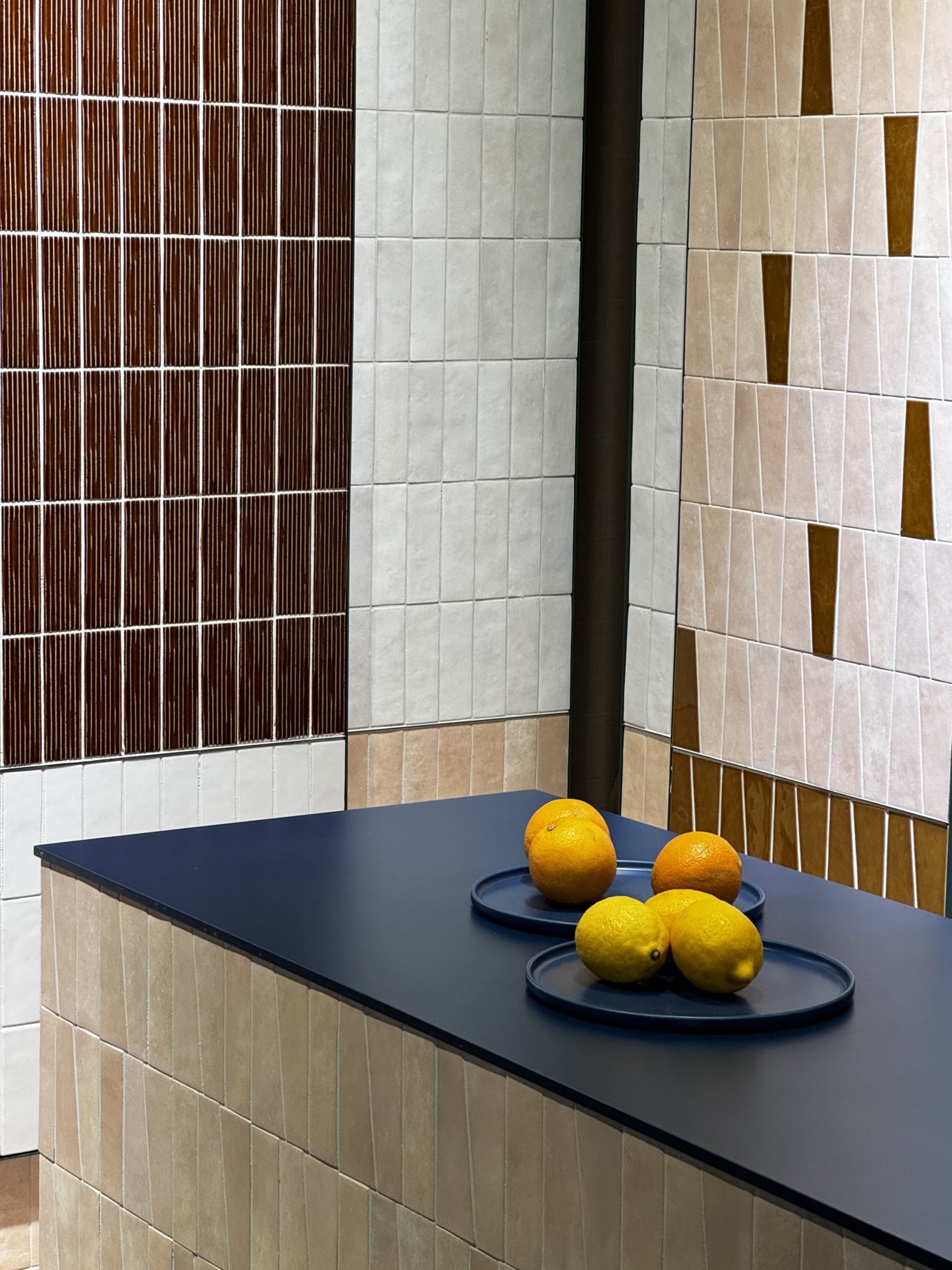
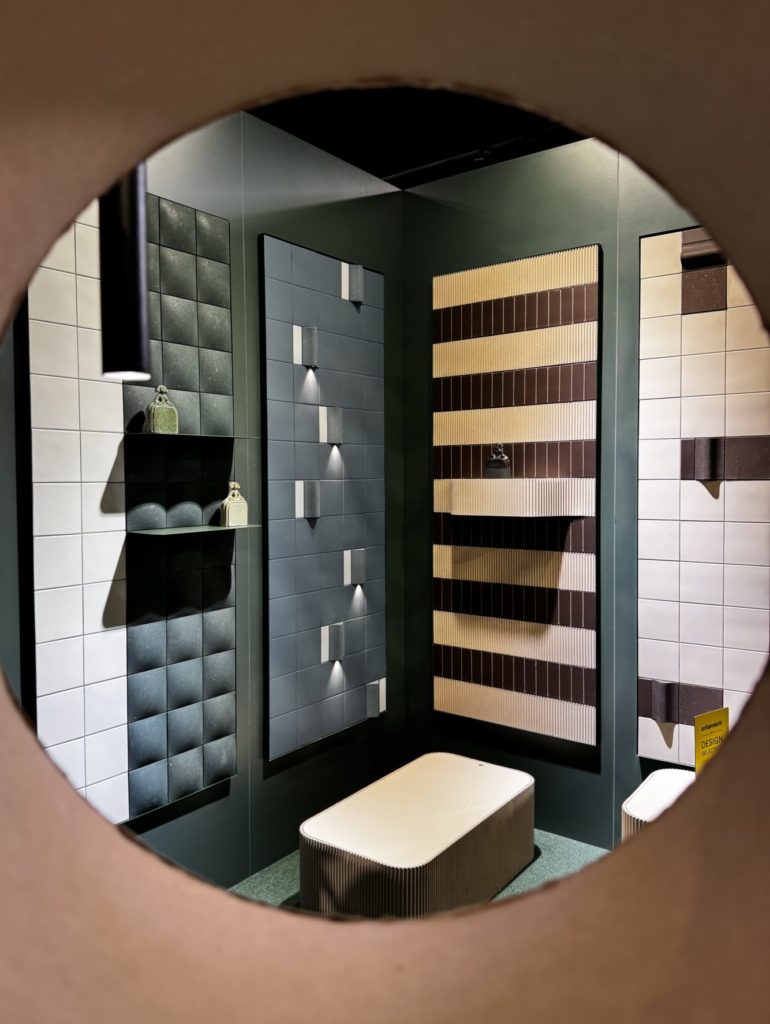
Here are some of our designs that inspired us to think outside the box and be bold, embracing patterns, colours and textures in the same way haute couture does. Some hint at future tendencies in style and interpretation, while others demonstrate how classic patterns and shapes will always have a place in the design world. Our goal is to create spaces that are expressive, personal and unapologetically designed.

Categories
blog Events

Istambul furniture fare 2026 & our impression

In January 2026, my colleague and I attended the Istambul Furniture Fair, where we explored the exhibition from two complementary perspectives: design and sales.

Overall, the experience was both inspiring and professionally insightful.

One of the key strengths of the Turkish furniture industry lies in its aesthetic sensibility. The craftsmanship in woodwork is particularly noteworthy, with elegantly executed curved forms and refined detailing. The textiles used across collections are visually appealing and of commendable quality, reflecting a strong awareness of materials and finishes.

The armchair and chair segment was especially impressive. Many pieces demonstrate a strong alignment with current trends, and several standout designs could easily be integrated into our own interior projects.

From a strategic design perspective, it is observable that many collections are built upon previously established concepts of well-known European brands, typically reflecting trends from two to three years ago. While this provides a reliable and market-tested foundation, there is clear opportunity to further strengthen original design thinking and develop more distinctive, forward-looking concepts.

The organic and cohesive style of the TV wall units presents a strong and recognizable character. However, integrating these pieces into European interior concepts may require deliberate adaptation. Upholstered seating collections tend to feature expressive, highly articulated forms, which appear to resonate particularly well with Eastern and Asian markets.

Technologically, Turkish furniture manufacturing is well-prepared and capable of delivering consistent, high-quality execution. Based on what we observed at the fair, the next stage of development could focus on reinforcing long-term design strategy and cultivating stronger, independent brand identities. While many collections move in parallel with European trends, the primary commercial focus of manufacturers seems to be directed toward Eastern and Asian regions.

In summary, Turkish manufacturers demonstrate significant professional potential. With continued emphasis on innovation and strategic concept development, their position in the international market could be further strengthened.

Wrote a report by: Csilla Szabó, Andrea Kertes-Kovács