Kategóriák
blog magazin

BUDAPEST GUIDE 2026

A mi szemünkkel
Radnóczy Eszter ajánlásával

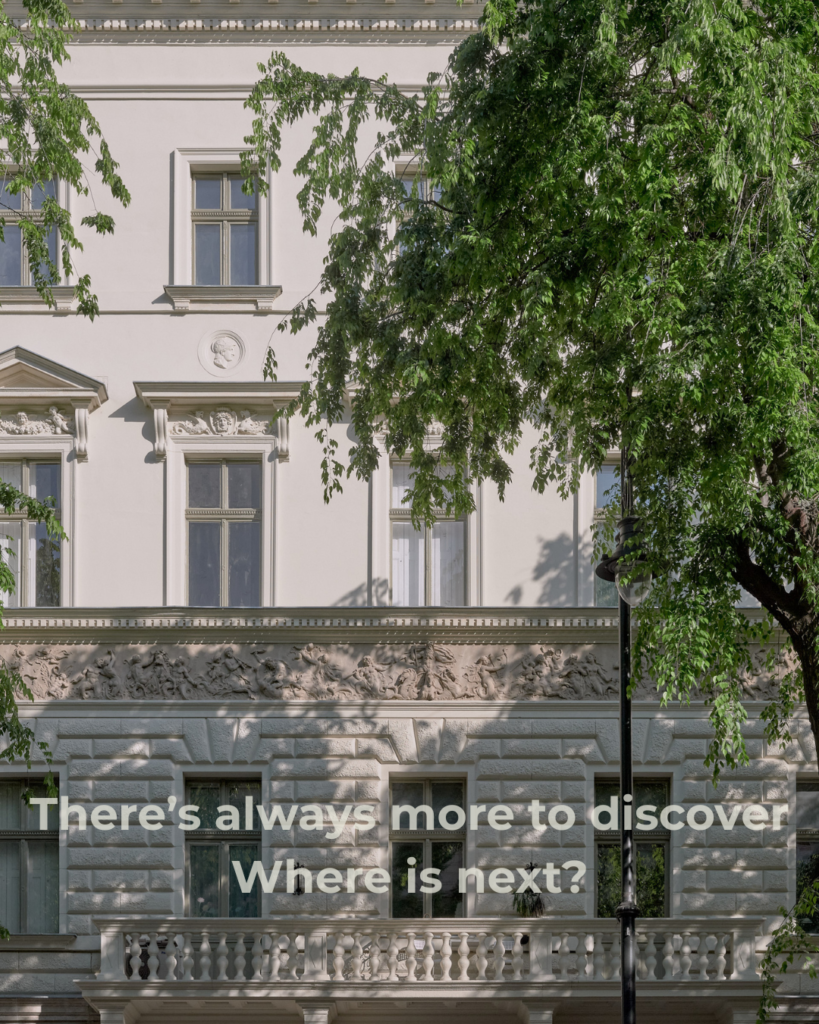
Budapest olyan város, amely igazán a részleteiben mutatja meg magát. Egy nagyvonalú lépcsősor, a délutáni fény játéka a Dunán vagy egy gondosan helyreállított történeti homlokzat sokszor többet mesél róla, mint bármely útikönyv.

Radnóczy Eszter belsőépítész személyes válogatásában olyan helyeket mutatunk meg, amelyek számunkra Budapest karakterét adják: kortárs design, időtálló építészet, magyar hagyományok és az a visszafogott elegancia, amely a várost Európa egyik leginspirálóbb fővárosává teszi.

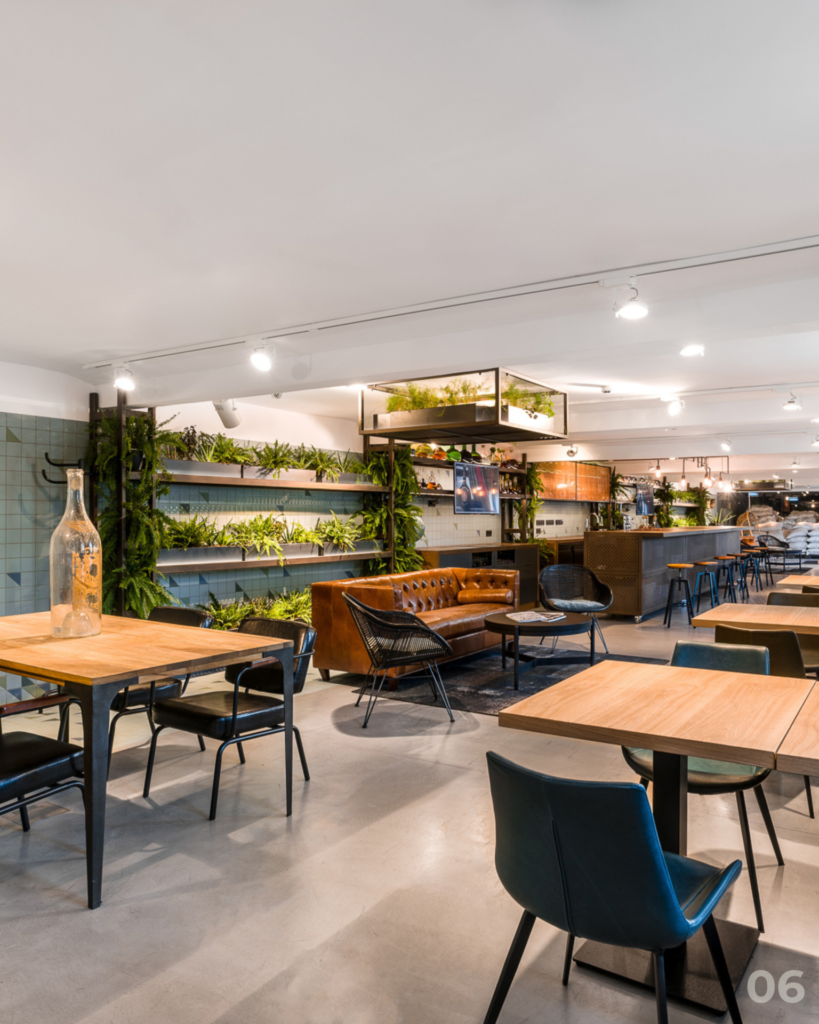
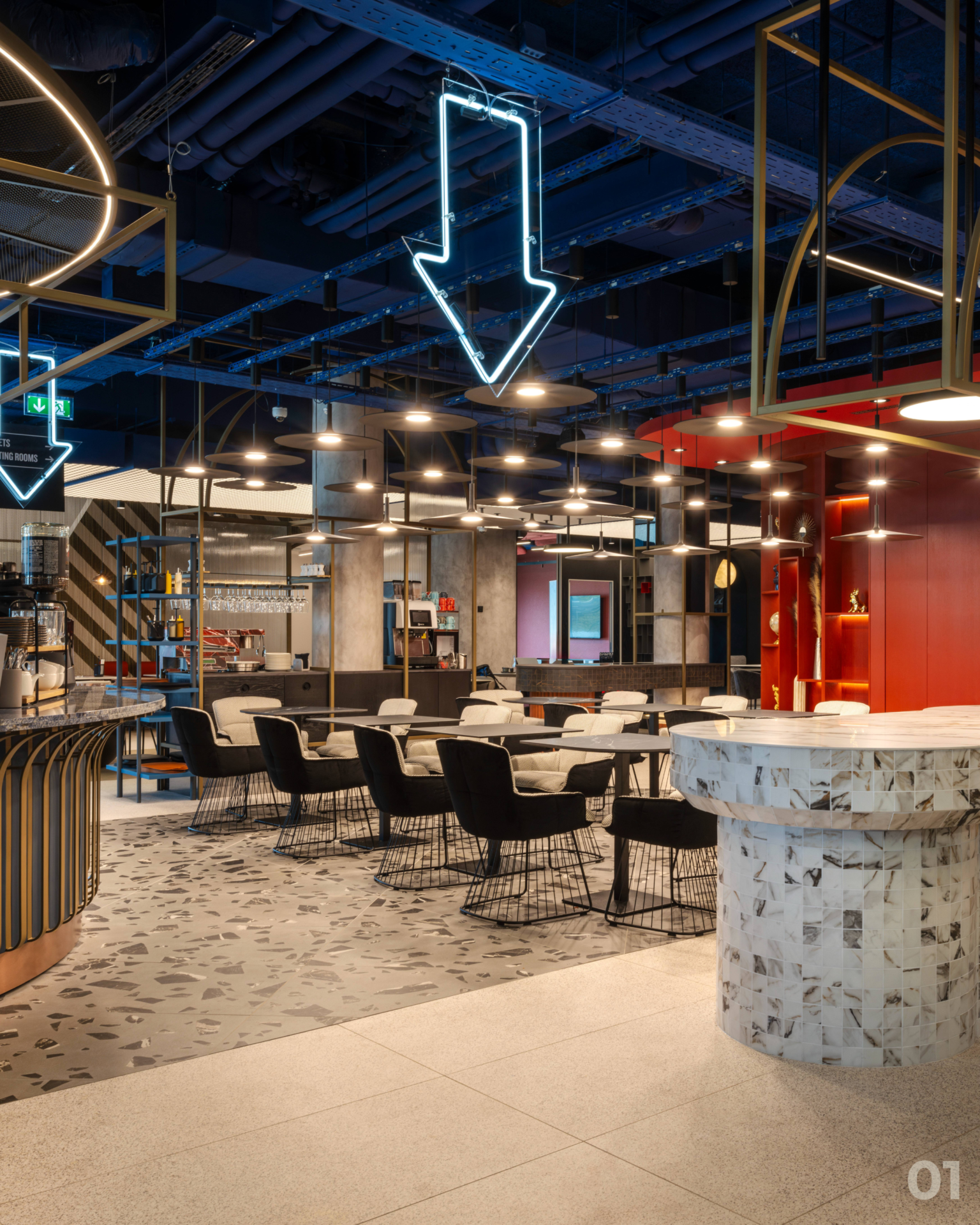
01, Innen indulunk – TRIBE Budapest

Karakteres, kortárs és természetesen közösségi: a TRIBE a budapesti vendéglátás új generációját képviseli. Dinamikus belső terei mellett Virgo Haan filmszerű alkotásai adnak újabb kreatív réteget annak az élménynek, ahol design, művészet és hétköznapi élet magától értetődően találkozik.

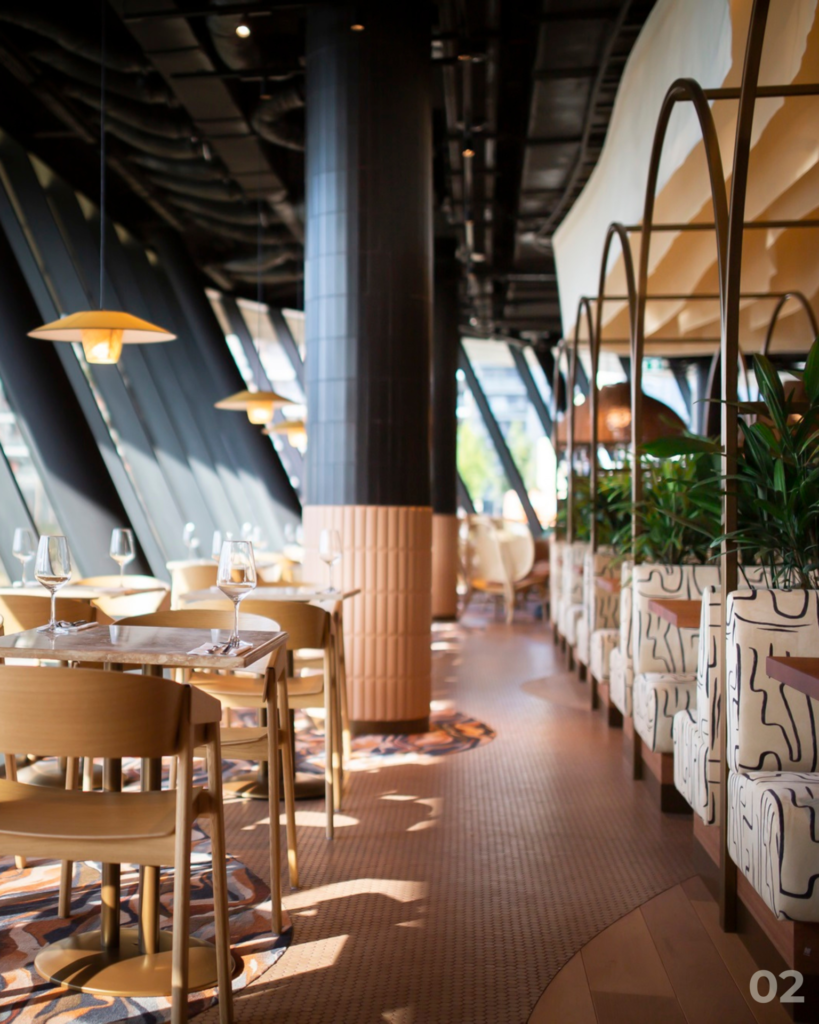
02, Ráérős reggel – ZAZIE Bistro

A Duna finom mozgása ihlette ZAZIE lágy ívekkel, tapintható anyagokkal és természetes fénnyel teremt nyugodt, kifinomult enteriőrt. Érdemes itt egy ráérős brunchcsal kezdeni a napot: az átgondolt design és a szezonális ízek együtt adják meg egy igazán jó budapesti reggel hangulatát.


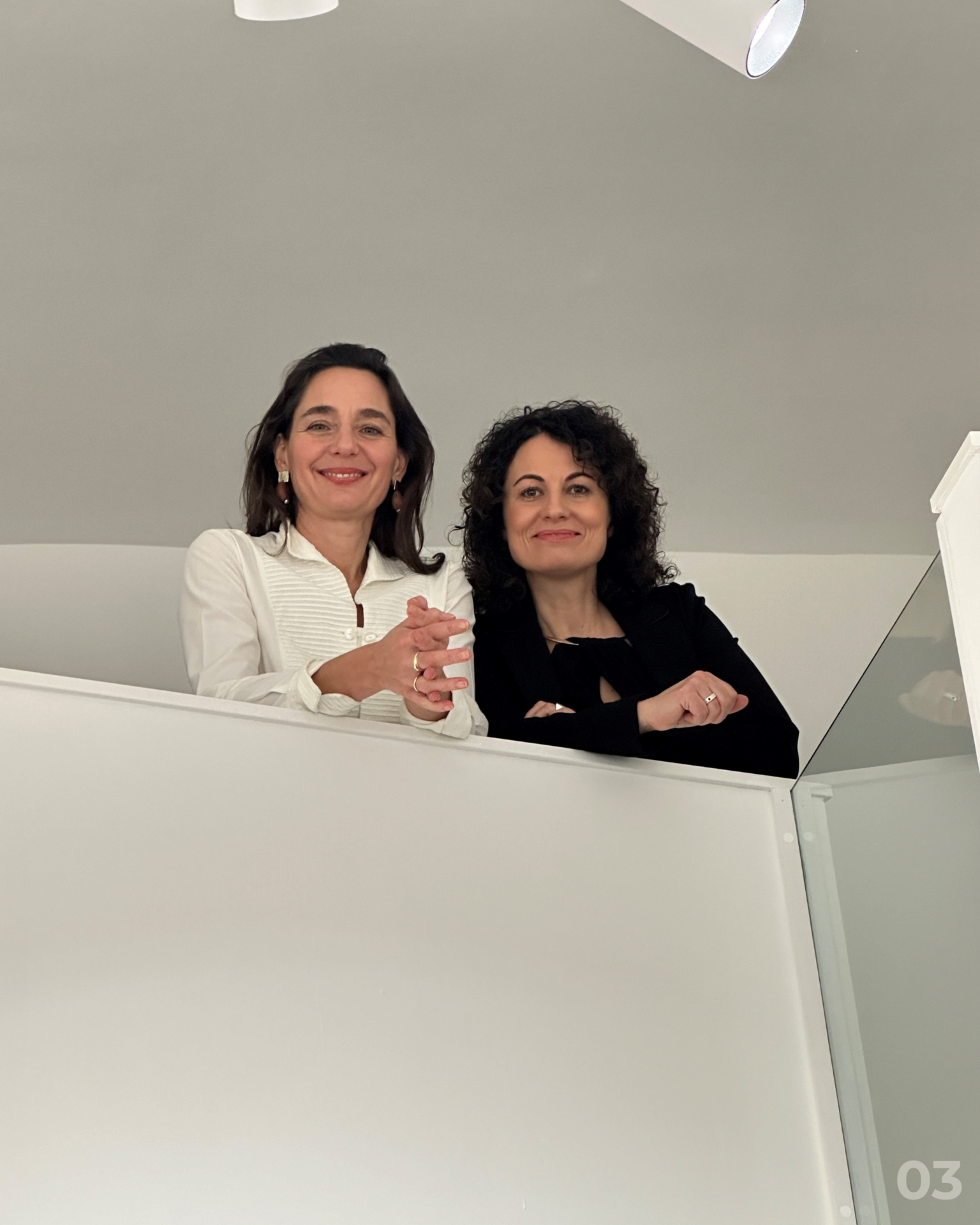
03, Kortárs Budapest – Ani Molnár Gallery

Már a kiállítás előtt emlékezetes első benyomást kelt a galéria origami által inspirált építészete. Budapest egyik meghatározó kortárs művészeti tere izgalmas párbeszédet teremt a karakteres építészet és a kivételes kortárs alkotók között.

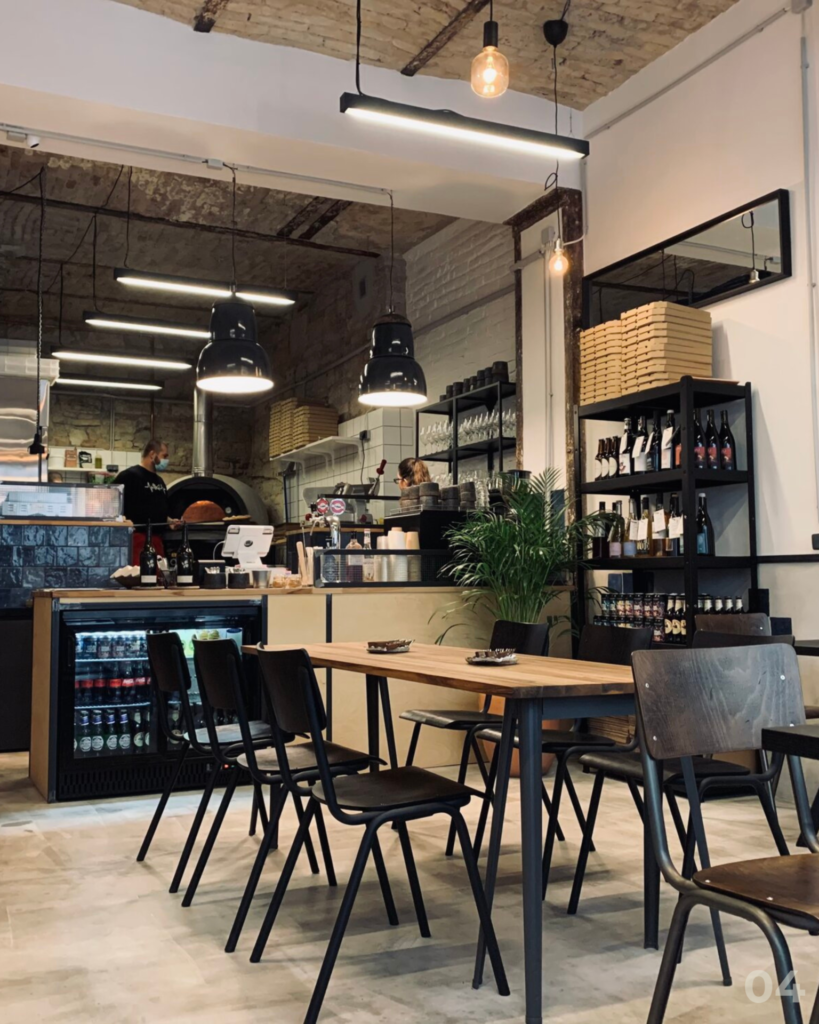
04, Egy falat Itália – Circo Pizza

A város legemlékezetesebb helyei között is a legjobbak sokszor pont a leglazábbak. A Circo autentikus nápolyi pizzát párosít könnyed, vibráló atmoszférával, és jól mutatja, hogy a jó vendéglátás legalább annyira szól az energiáról, mint magáról a térről.


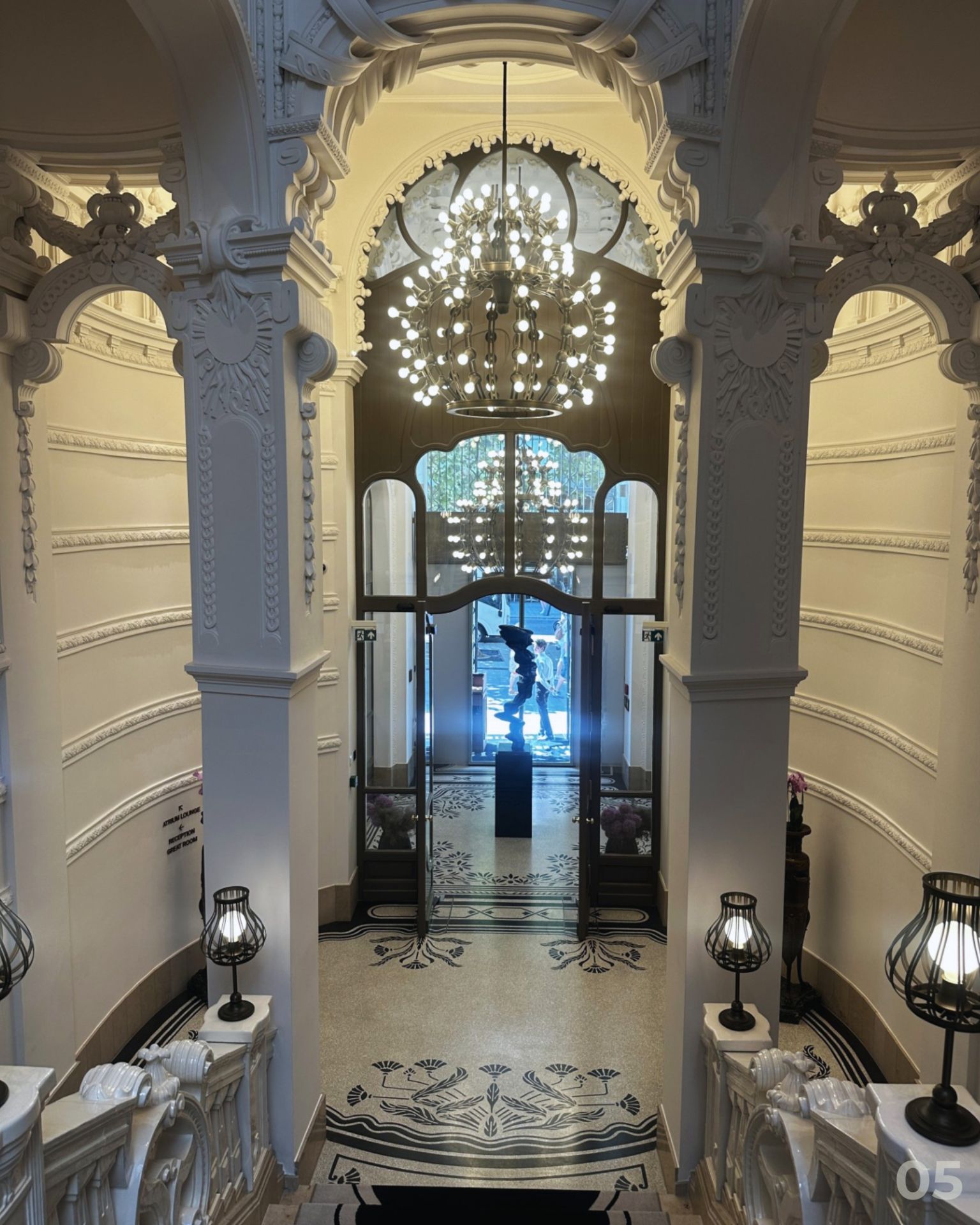
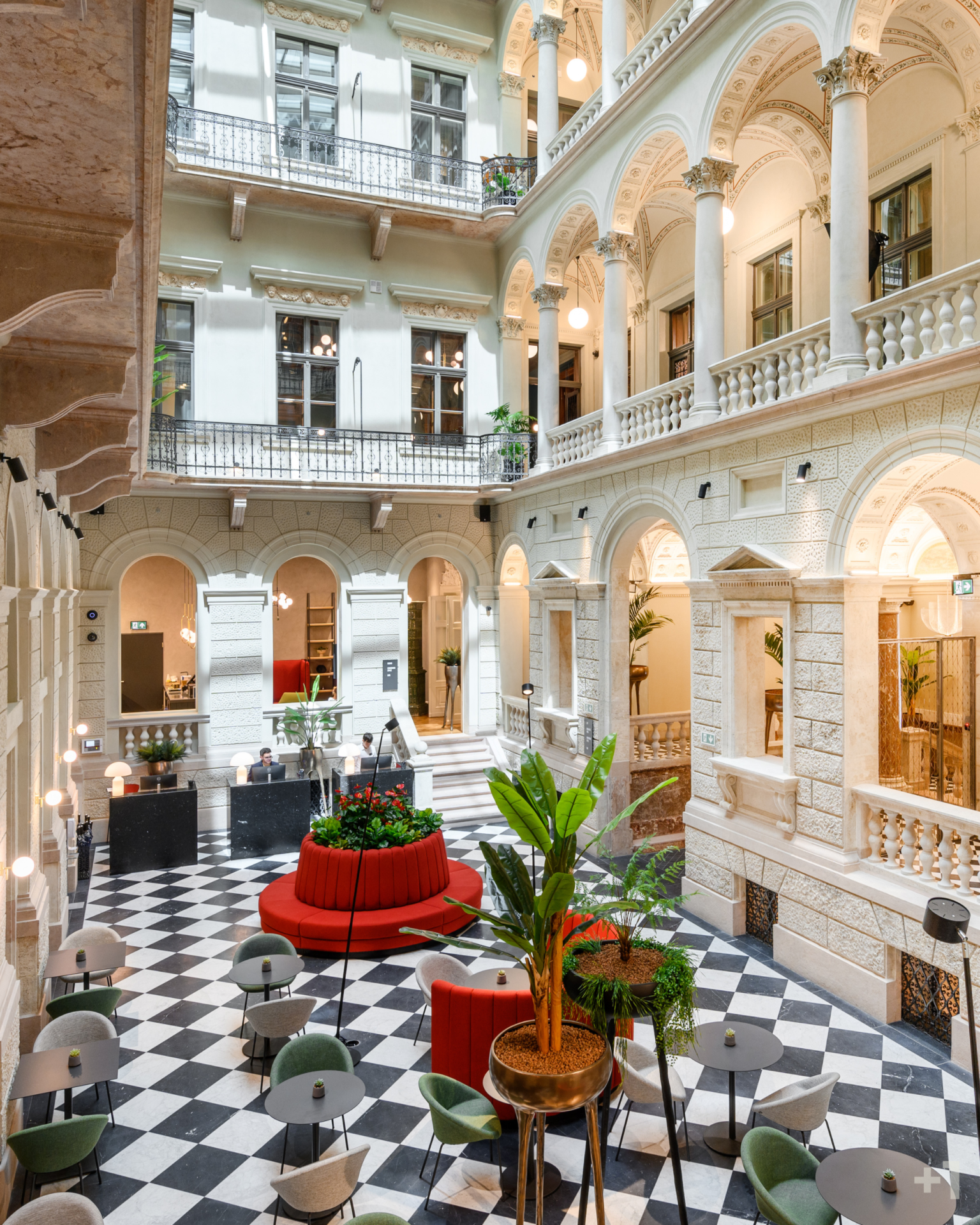
05, Édes délután – Klotild Palace & Patisserie

Budapest egyik legszebb történeti épülete, a Klotild Palota a város szívében ragyog. A Patisserie elegáns süteményeivel tökéletes hely egy kellemes délutáni megállóra, Budapest egyik leglátványosabb környezetében.

06, Magyar örökség – Zwack Unicum Látogatóközpont

Magyarország egyik legismertebb márkája mögött a mesterségbeli tudás, a családi örökség és a hagyomány különleges története áll. Barangolj a történelmi pincékben, ismerd meg a Zwack család örökségét – és egy korty Unicum nélkül ne indulj tovább: ez igazi magyar rituálé.


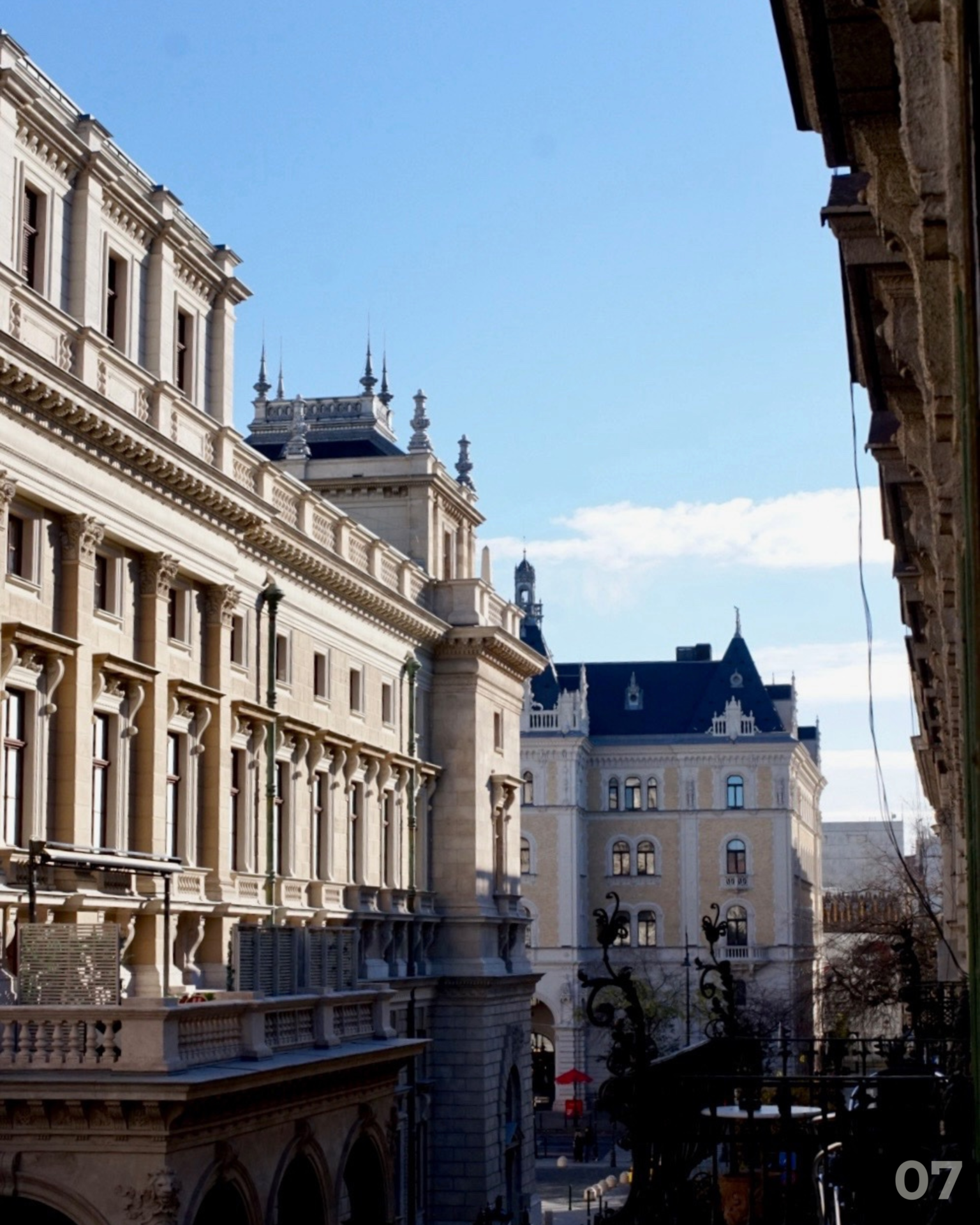
7, Opera-negyed – Magyar Állami Operaház

A frissen felújított Magyar Állami Operaház ma is Európa egyik legnagyszerűbb építészeti remekműve, ahol a neoreneszánsz monumentalitás kivételes mesterségbeli tudással találkozik. Akkor is érdemes belépni, ha éppen nem előadásra érkezünk: az épület önmagában az arányok, a művészet és az időtlen szépség ünnepe.

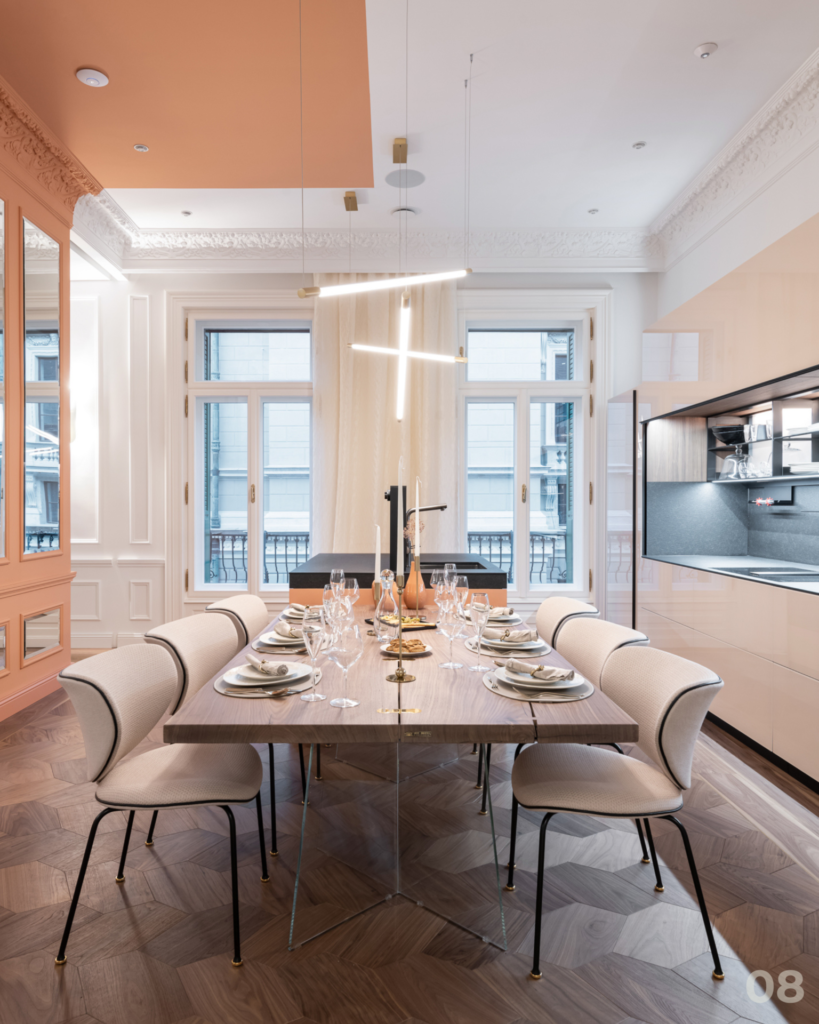
8, Estorio – A designmárkák otthona

Az Operaháztól csupán néhány lépésre található Estorio azoknak szól, akik értékelik a kivételes enteriőröket. A Radnóczy Eszter által élő designlakásként megálmodott showroom több mint 35 gondosan válogatott nemzetközi márkát fog össze, megmutatva, hogyan alkotnak a természetes anyagok, az egyedi kézműves részletek és az időtálló design valóban maradandó tereket.


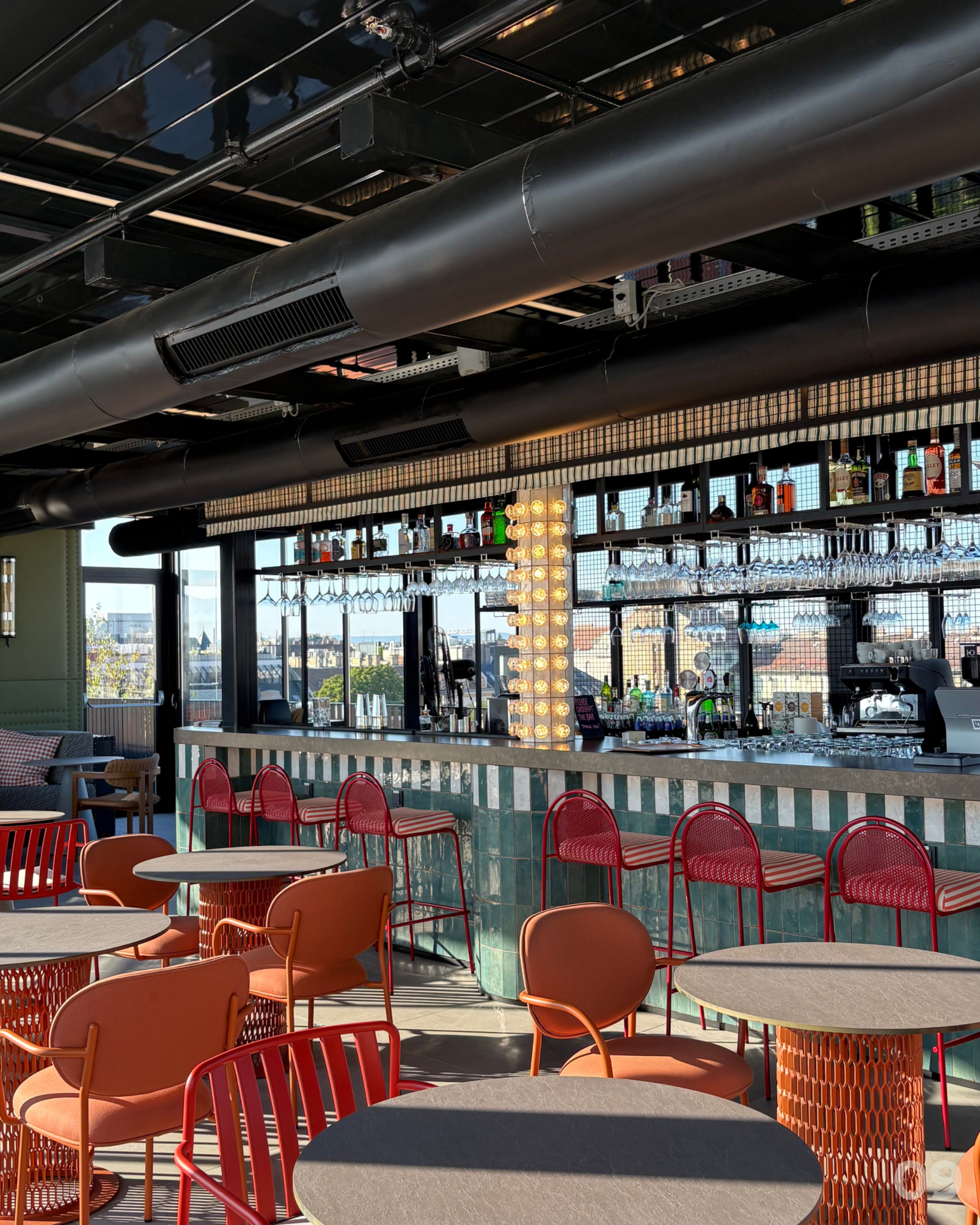
9, Aranyóra – Moxy Budapest Downtown – Saddle & Sky

Amikor a város fényei felragyognak, érdemes felmenni a Saddle & Sky rooftop bárba. Nevét Erzsébet királyné, Sisi legendás lovaglás iránti szenvedélye ihlette. A Budapestre nyíló panoráma és a város egyik legszebb naplementéje tökéletes hátteret ad egy esti koccintáshoz.

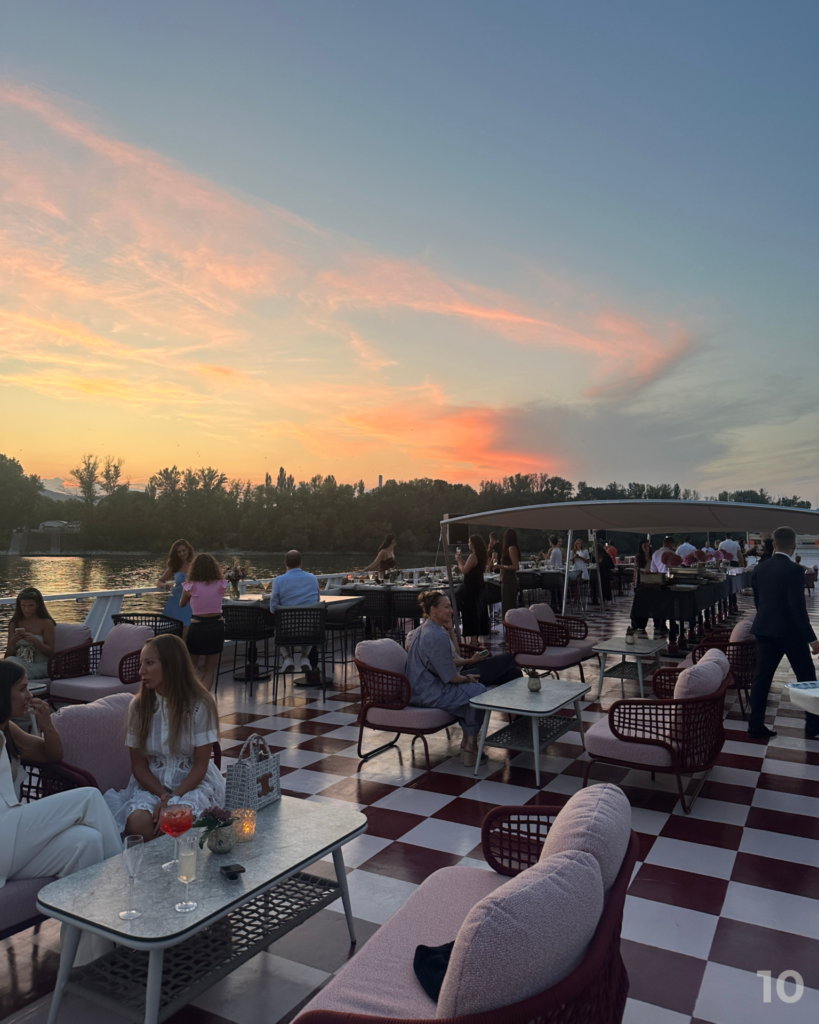
10, A Dunán – River Diva

Budapest egyik leglátványosabb arcát a vízről mutatja. Az áramló formákra, tükröződésekre és zavartalan panorámára épülő River Diva elegáns építészeti utazássá alakítja a hajózást, ahol a város, a folyó és a változó fény egyetlen kompozícióvá áll össze.


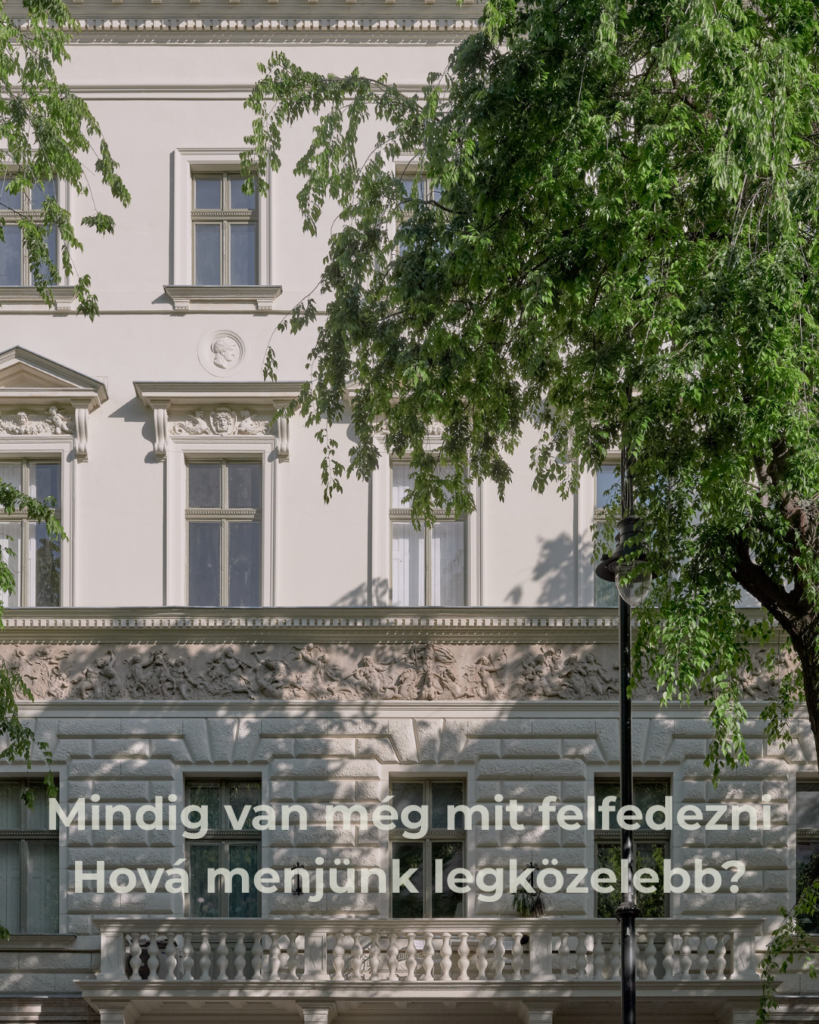
+1, A hely szelleme – Hotel Oktogon Haggenmacher

Az egykor a neves Haggenmacher sörfőző család palotájaként szolgáló, gyönyörűen helyreállított épület a történeti Budapest hangulatát őrzi. Az eredeti építészeti karakter, a gondosan megformált kortárs enteriőrök és az erős helyi identitás együtt teremtenek autentikus, visszafogottan luxus szállásélményt.

Kategóriák
blog magazin

Budapest Guide 2026

Through Our Eyes
By Eszter Radnóczy

Budapest is a city that reveals itself through details. A grand staircase, the reflection of afternoon light on the Danube, or a beautifully restored historic façade often tells more than any guidebook ever could.

Meet designer Eszter Radnóczy’s personal selection of places that capture the essence of the city: a summer day shaped by contemporary design, timeless architecture, Hungarian traditions and the quiet elegance that makes Budapest one of Europe’s most inspiring capitals. 

01, Where It All Begins- TRIBE Budapest
Bold, contemporary and effortlessly social, TRIBE represents a new generation of hospitality in Budapest. Alongside its dynamic interiors, the hotel showcases captivating cinematic artworks by Virgo Haan, adding another creative layer to an experience where design, art and everyday life naturally intersect.

02, Slow Morning- ZAZIE Bistro
Inspired by the gentle movement of the Danube, ZAZIE combines soft curves, tactile materials and natural light into an interior that feels serene and sophisticated. Begin the day with an unhurried brunch, where thoughtful design and seasonal flavours create the perfect Budapest morning.


03, Contemporary Budapest- Ani Molnár Gallery
Even before discovering the exhibition, the origami-inspired architecture of the gallery creates a memorable first impression. One of Budapest’s leading contemporary art spaces, it offers an inspiring dialogue between bold architecture and exceptional contemporary artists.

04, A Taste of Italy- Circo Pizza
Some of the city’s most memorable places are also its most relaxed. Circo pairs authentic Neapolitan pizza with an effortlessly vibrant atmosphere, proving that great hospitality is as much about energy as it is about interiors.


05, Sweet Afternoon – Klotild Palace & Patisserie

One of Budapest’s most beautiful historic landmarks, Klotild Palace shines in the hest of the city. Pause at the Patisserie for elegant pastries and a sweet afternoon in one of Budapest’s most spectacular settings.

06, Hungarian Heritage- Zwack Unicum Visitor Centre
Behind one of Hungary’s most iconic brands lies a remarkable story of craftsmanship, family heritage and tradition. Wander through the historic cellars, discover the legacy of the Zwack family—and don’t leave without tasting a sip of Unicum, a true Hungarian ritual.


7, Opera District – Hungarian State Opera
Freshly restored, the Hungarian State Opera remains one of Europe’s great architectural masterpieces, where Neo-Renaissance grandeur meets extraordinary craftsmanship. Even without attending a performance, the building itself is a celebration of proportion, artistry and timeless beauty.

8, Estorio – Home of Designer Brands
Just a few steps from the Opera House, Estorio is a destination for those who appreciate exceptional interiors. Conceived by Eszter Radnóczy as a living design apartment, the showroom brings together more than 35 carefully curated international brands, demonstrating how natural materials, bespoke craftsmanship and timeless design come together to create spaces that truly endure.


9, Golden Hour – Moxy Budapest Downtown – Saddle & Sky
As the city begins to glow, head to Saddle & Sky, the rooftop bar whose name pays tribute to Empress Elisabeth—Sisi—and her legendary love of horse riding. With panoramic views over Budapest and one of the city’s most beautiful sunsets, it is the perfect place to toast the evening.

10, On the Danube – River Diva
Budapest reveals its most spectacular perspective from the water. Designed around flowing forms, reflections and uninterrupted panoramas, River Diva transforms a cruise into an elegant architectural journey where the city, the river and the changing light become one composition.


+1, A Sense of Place – Hotel Oktogon Haggenmacher
Once the palace of the renowned Haggenmacher brewing family, this beautifully restored landmark embodies the spirit of historic Budapest. Original architectural character, carefully crafted contemporary interiors and an unmistakable sense of place make it a stay that feels both authentic and quietly luxurious.

Kategóriák
blog magazin

“Anything But Retro…”

I come across this statement quite often, and as a designer, I often find myself puzzled by it.

As designers, our primary task is to create environments that are liveable, lovable, and meaningful. And of course, we look back to the past as well. Since the beginning of time, artists and architects have learned from and been inspired by what came before them. One only has to think of Gaudí’s cathedrals, drawing from the architecture of Gothic cathedrals; Picasso, who incorporated elements of African tribal art; Philippe Starck, who reinterprets historical furniture forms; or Ettore Sottsass, who translated Art Deco elements into postmodern objects.

So would that make everything retro?

I don’t think so.

Retro is not about copying old things.

It is about a conscious relationship with the past.

The looseness of the 1970s.
The playfulness of the 1980s.
The digital, experimental attitude of the 1990s.

These are all visual and emotional layers that we can still connect with today.

The problem is not with retro itself. The problem begins when it becomes mere scenery. But when it is given new meaning, paired with modern technology, fresh ideas, or even a touch of irony, something truly lovable can emerge.

Today, when design often feels overly sterile, perfect, and “flawless”, it may be more important than ever to bring back the human element: texture, emotion, and a sense of spontaneity. Because ultimately, we do not fall in love with perfect spaces, but with spaces that feel good to be in.

For me, retro is not a style. It is an attitude.

Eszter Radnóczy
Kategóriák
blog magazin

„Csak retró ne legyen…”

Többször találkozom ezzel a kijelentéssel, és tervezőként sokszor értetlenül állok- e kijelentés előtt.

Tervezőként elsődleges feladatunk élhető, szerethető környezetet alkotni. És természetesen visszanyúlunk a múltba is, hiszen amióta a világ-világ, művészek, építészek a múltból tanulnak és inspirálódnak. Elég Gaudi katedrálisaira gondolni, aki a gótikus katedrálisok építészetéből merít, Picassora, aki az afrikai törzsi művészet elemeit használja. Plilippe Stark történelmi bútorformákat értelmez újra vagy Ettore Sottsass art deco elemeit teszi át posztmoder tárgyakba.

Akkor minden retró lenne?
Szerintem nem.
A retró nem régi dolgok másolása.
Hanem tudatos kapcsolat a múlttal.

A 70-es évek oldottsága.
A 80-as évek játékossága.
A 90-es évek digitális kísérletező attitűdje.
Ezek mind olyan vizuális és érzelmi rétegek, amelyekhez ma is kapcsolódni tudunk.
A probléma nem a retróval van. Hanem azzal, amikor puszta díszletté válik. Ha viszont új jelentést kap, modern technológiával, új gondolatokkal vagy akár iróniával párosul, akkor valami igazán szerethető tud születni.

Ma, amikor a design sokszor túlságosan steril, tökéletes és „hibátlan”, talán még fontosabb visszahozni az emberit: a textúrát, az érzelmet, az esetlegességet. Mert végső soron nem tökéletes tereket szeretünk, sokkal inkább olyanokat, amelyekben jó lenni. A retró számomra nem stílus, hanem szemlélet.

Radnóczy Eszter
Kategóriák
blog magazin

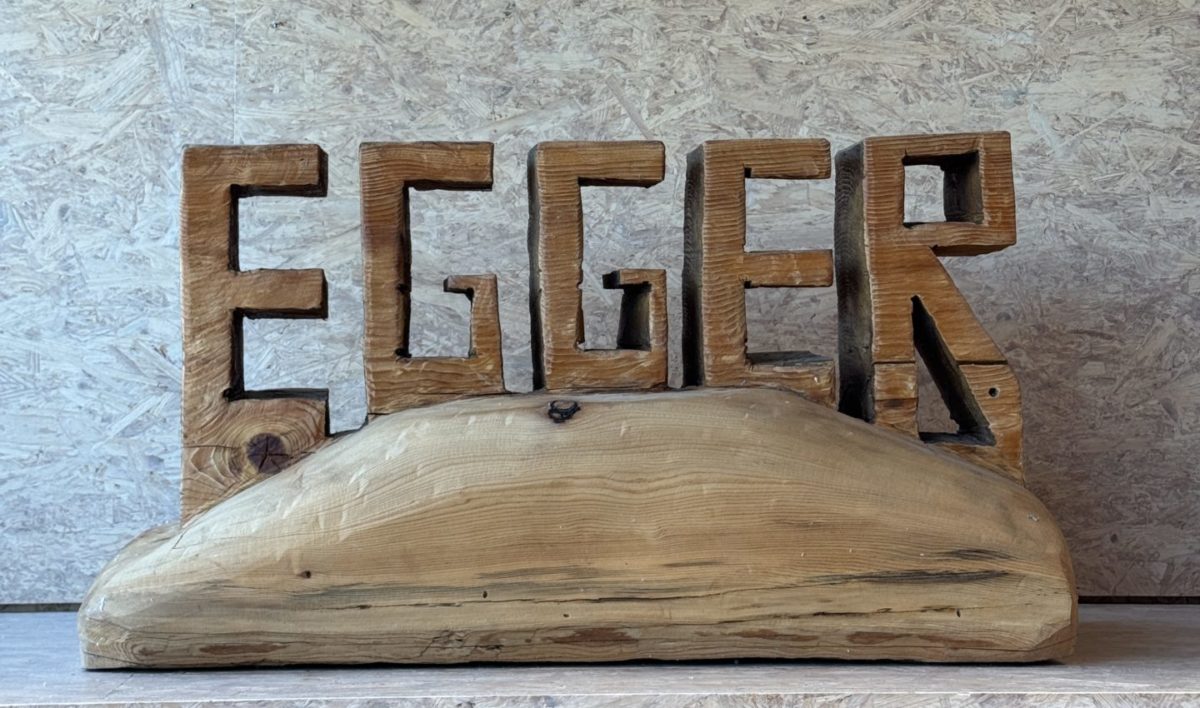
“Beige Is the New White” – Inside Our Visit to EGGER

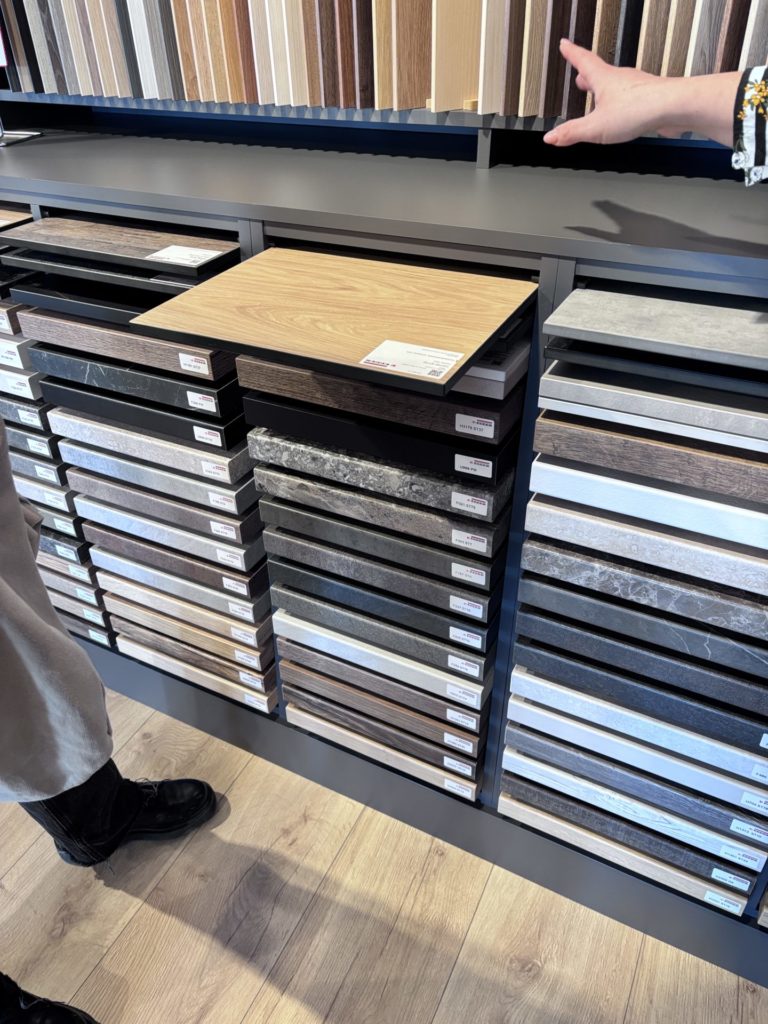
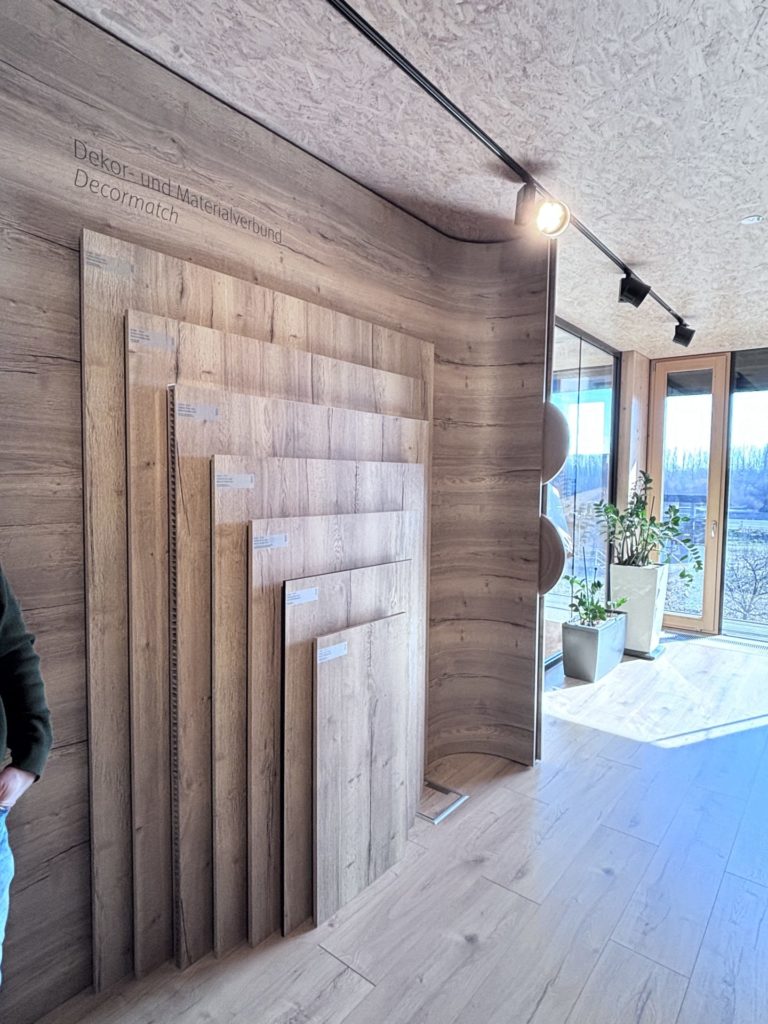
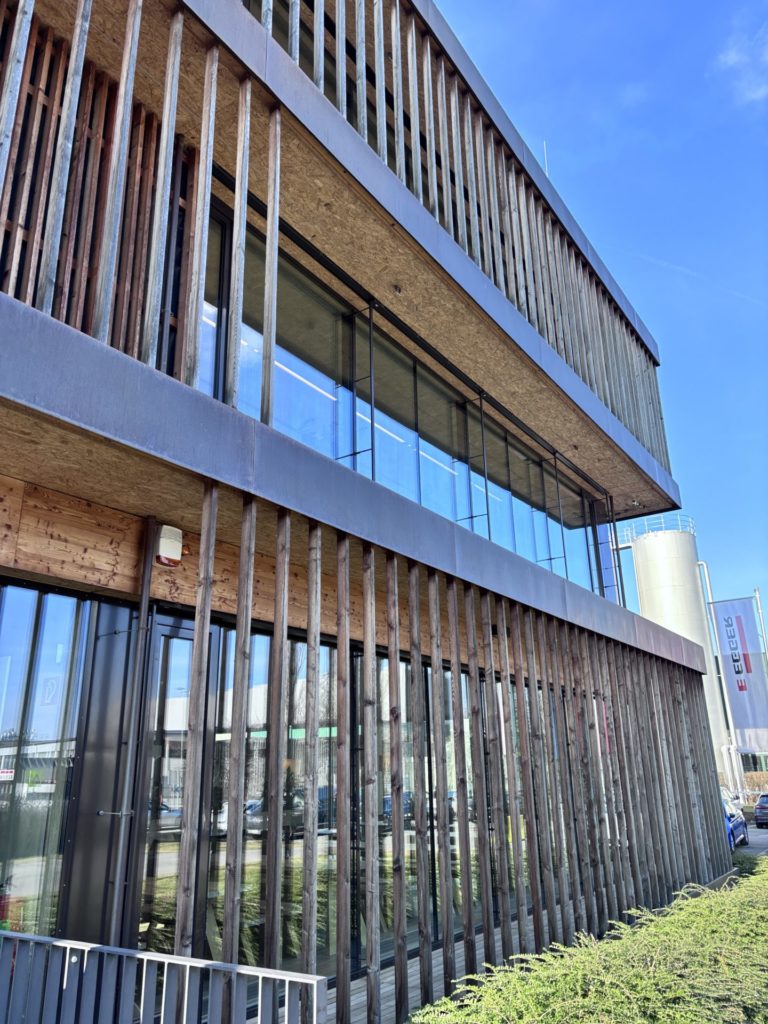
During our visit to the EGGER Group’s manufacturing facility in Unterradlberg, Austria, we had the opportunity to experience the entire lifecycle of decorative boards up close. Located near St. Pölten, the factory impresses not only with its scale, but also with its remarkable technological precision.
 

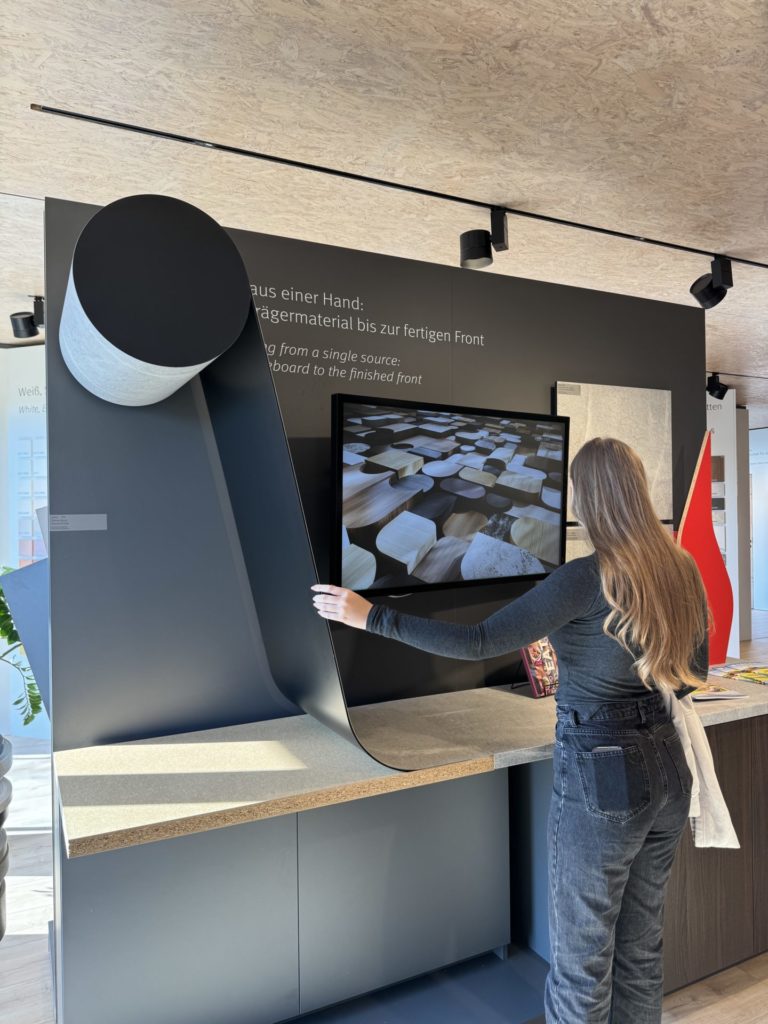
Walking through vast production halls filled with the unmistakable scent of wood, we followed the manufacturing process step by step. From finely processed wood fibres, enormous presses form the raw boards, which then travel through extensive production lines to gain their final structure and performance characteristics. Whether enhanced with impregnated surfaces or fire-resistant properties, each material is engineered precisely for its intended application before emerging as a finished decorative surface. After cutting and packaging, the boards are loaded onto trucks and shipping containers, ready to continue their journey across continents by land and sea.

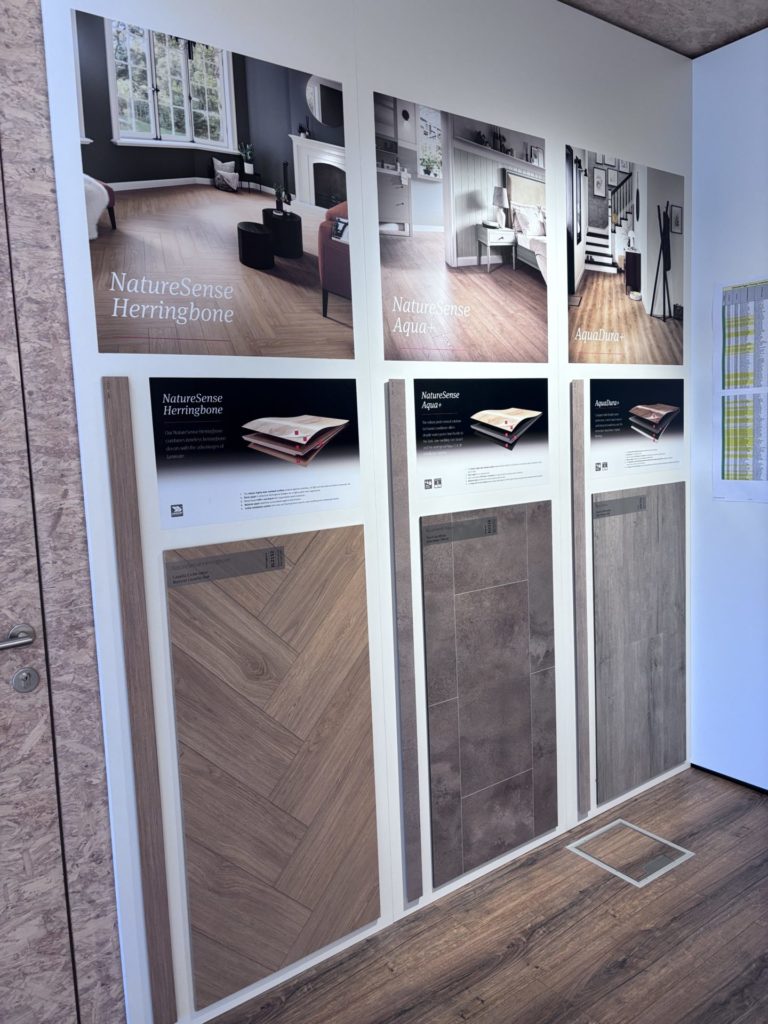
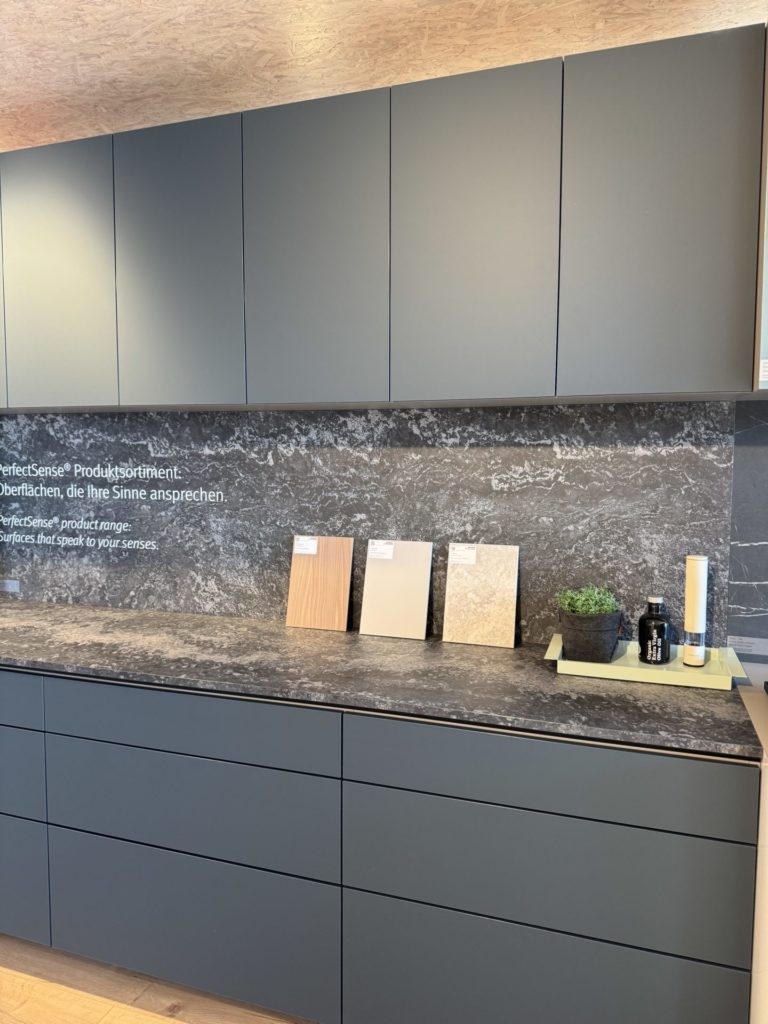
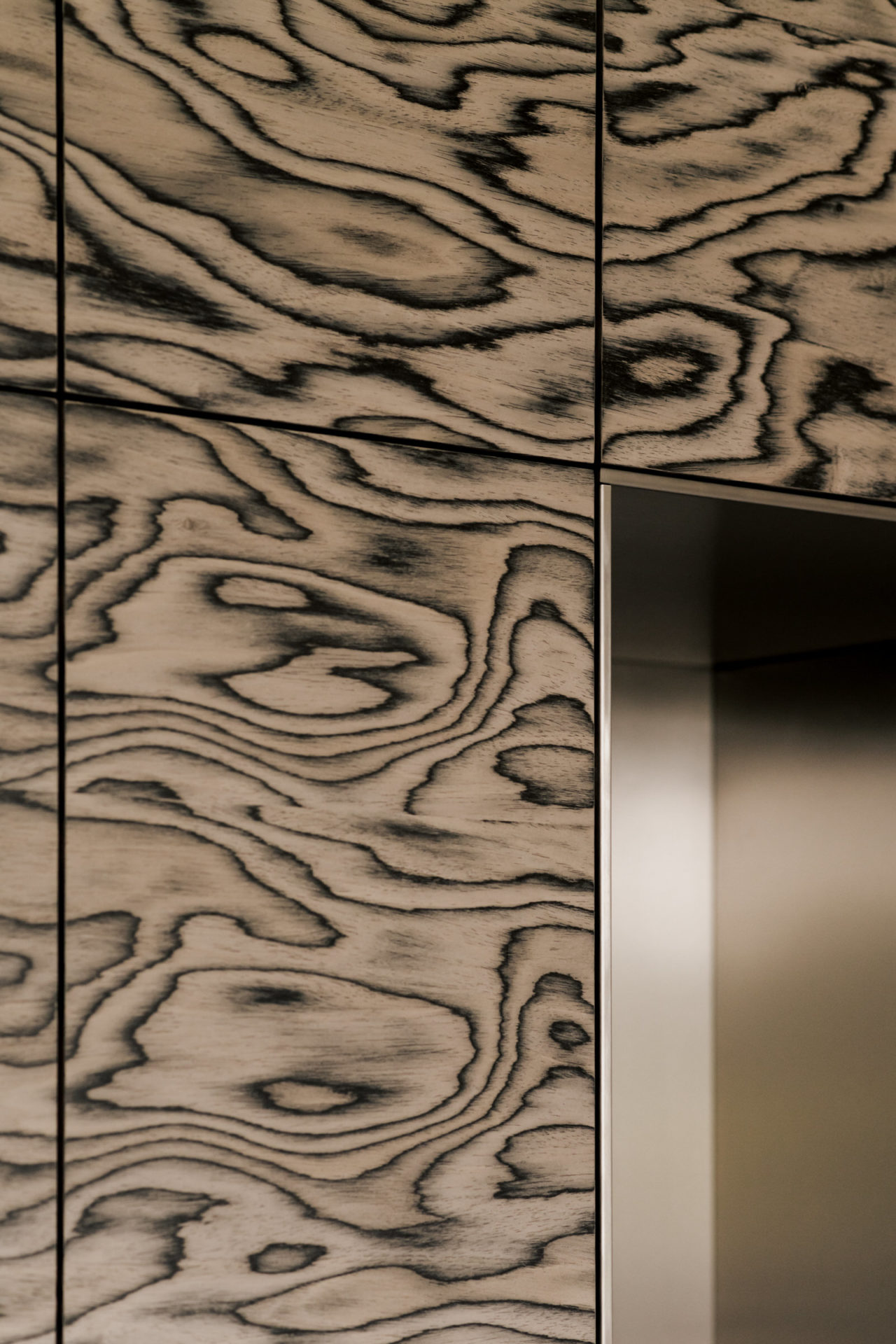
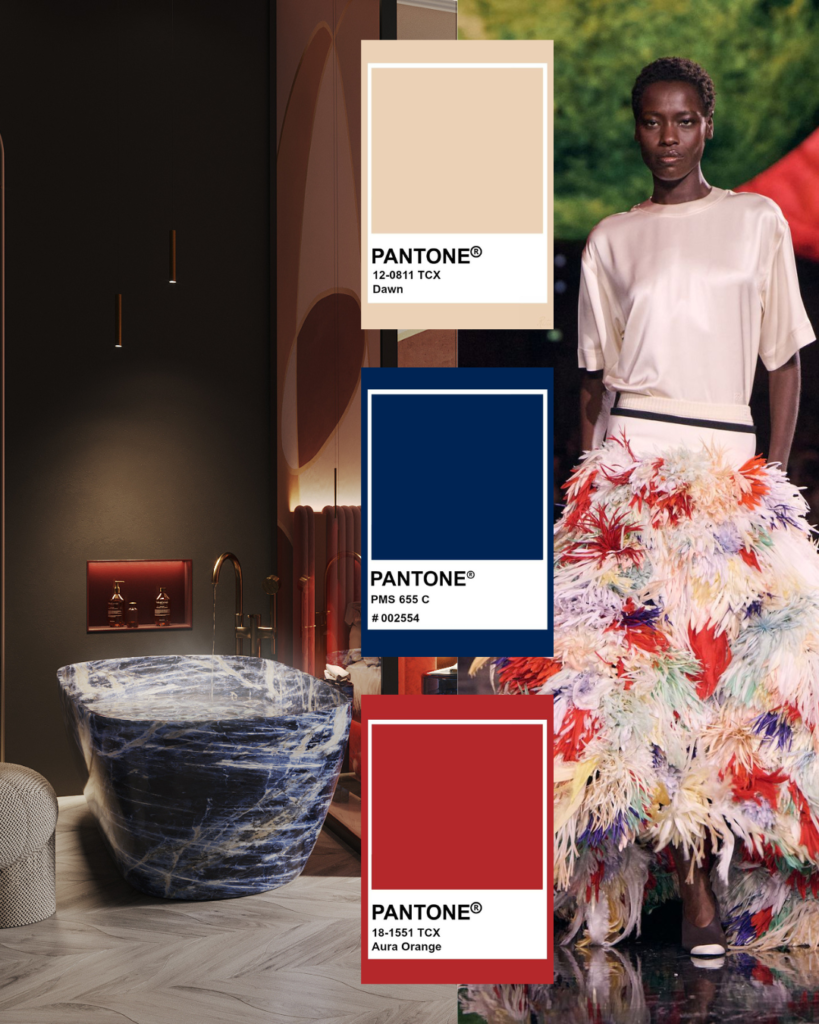
The occasion for our visit was the presentation of the new Decorative Collection 26+. Reflecting the latest interior trends, the collection’s updated palette of colours and textures – where beige truly steps forward as the new defining neutral – offers strong inspiration for furniture and interior design projects alike. Natural woodgrain finishes, tactile surfaces and nuanced warm tones fit seamlessly into the language of contemporary interiors.


Beyond showcasing the new collection, our hosts also introduced the digital tools and planning systems developed to support architects and designers throughout the entire creative process, from early concept development to final implementation.

One particularly reassuring aspect of the visit was seeing the large quantities of reclaimed furniture material awaiting recycling within the factory grounds. Here, circular thinking is far more than a corporate principle – it is a tangible reality. Wood materials are reintegrated into the production cycle with minimal waste, given new purpose in the interiors of tomorrow.

Kategóriák
blog magazin

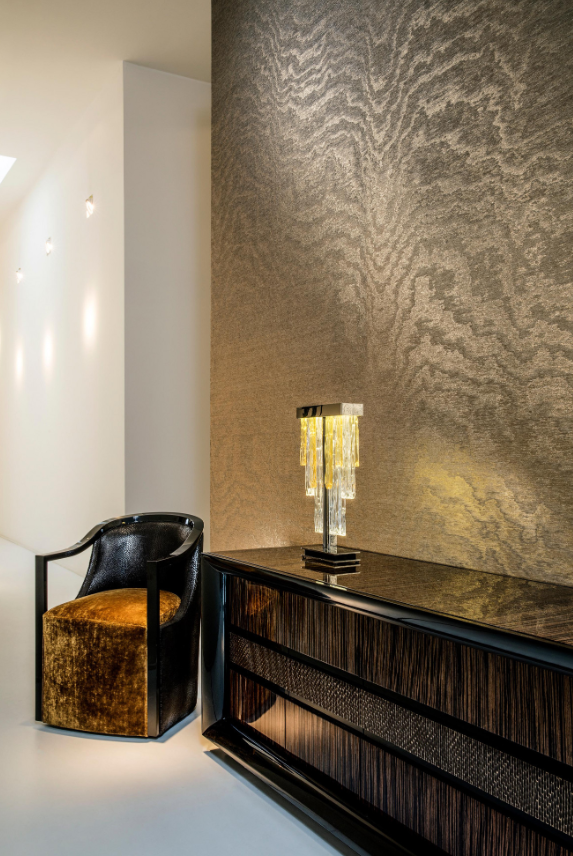
The Return of Moiré – Undulating Luxury in Contemporary Interiors

In interior design, much like in other artistic fields, certain forms, surfaces, and patterns return from time to time. They recall the elegance of an earlier style while at the same time acquiring a new character within a fresh, contemporary context.

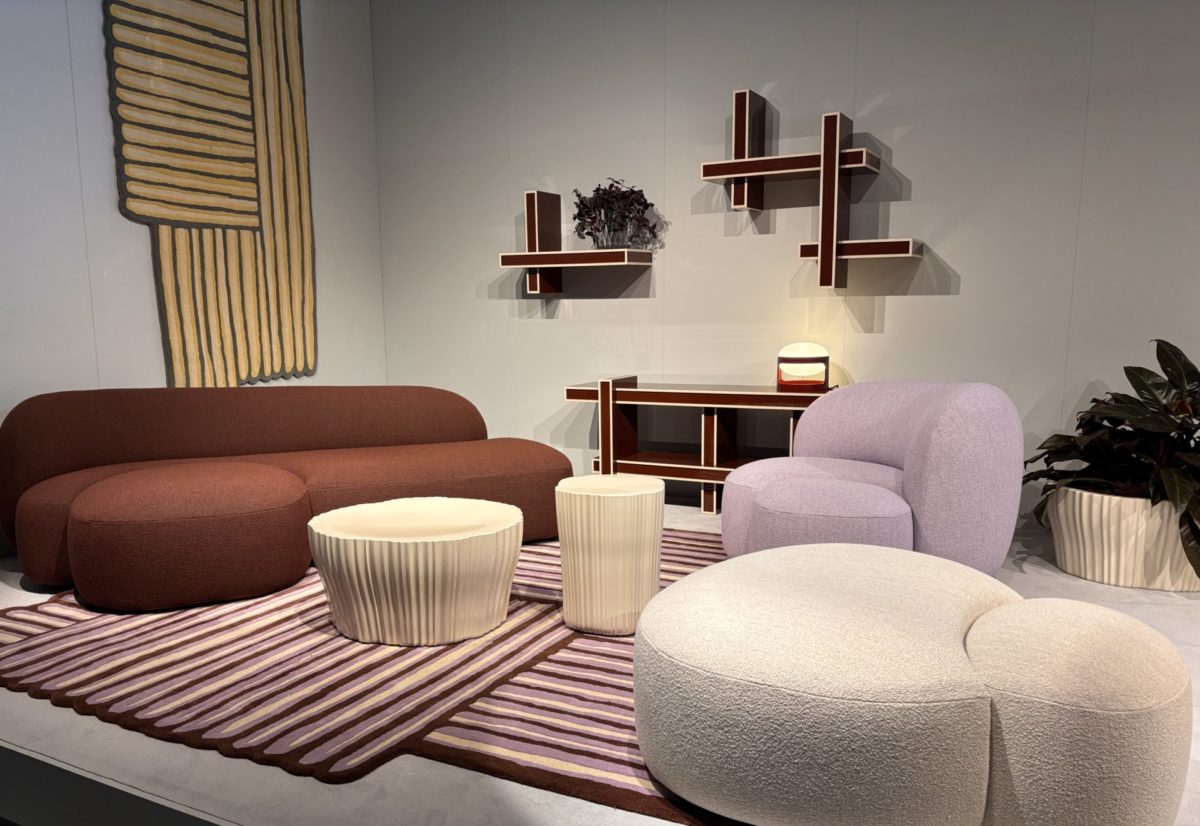
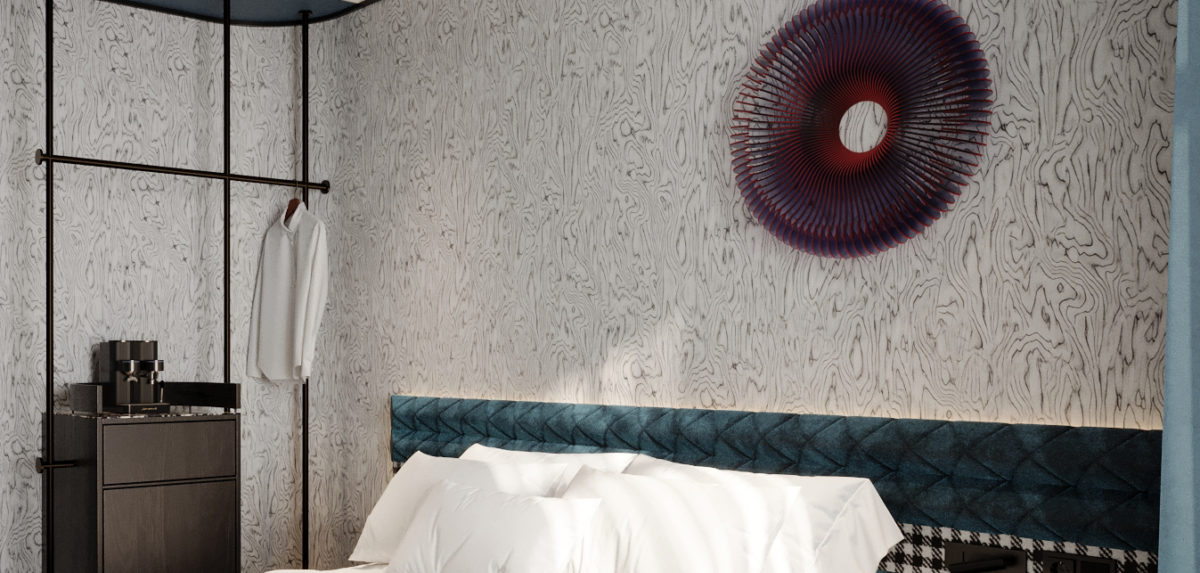
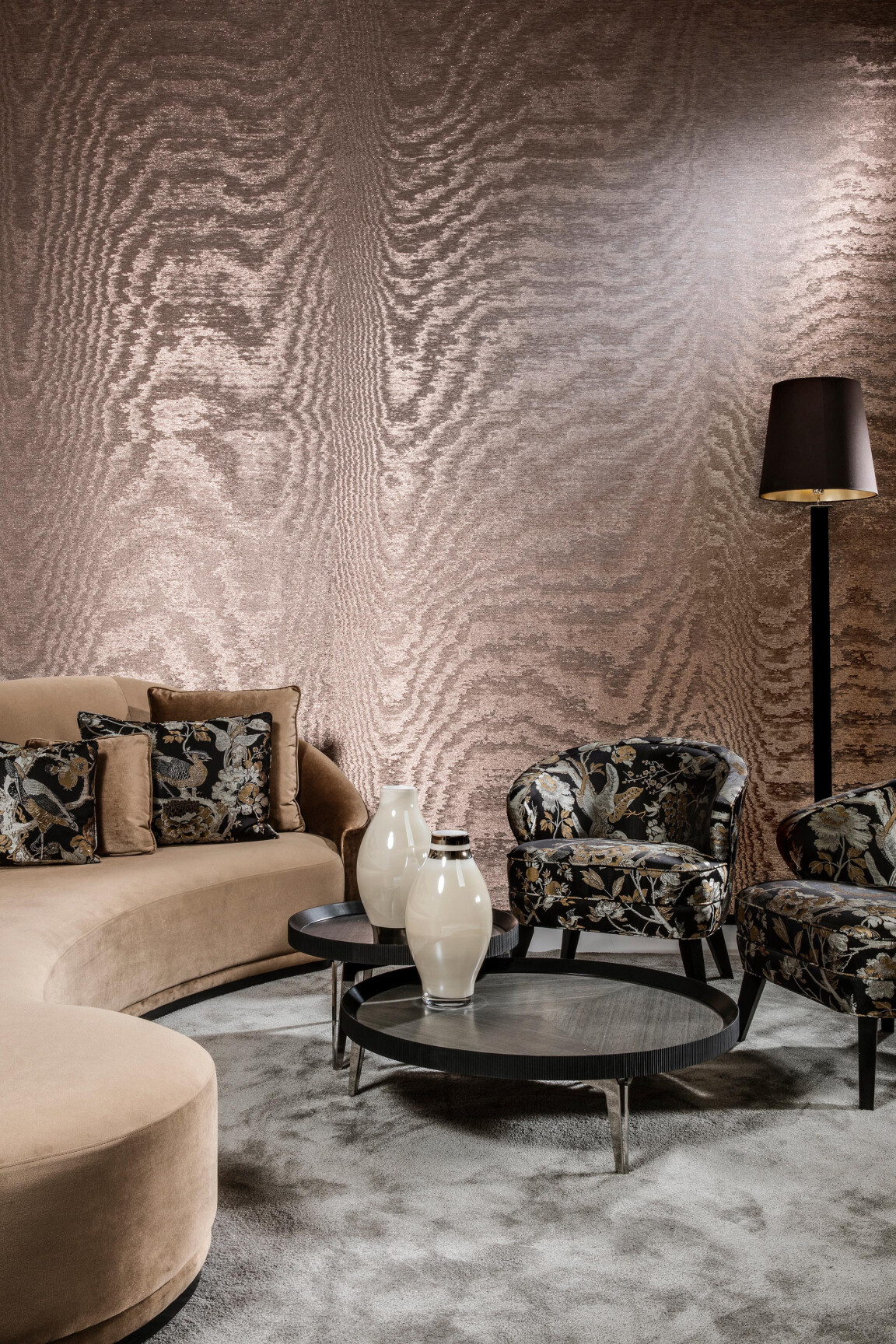
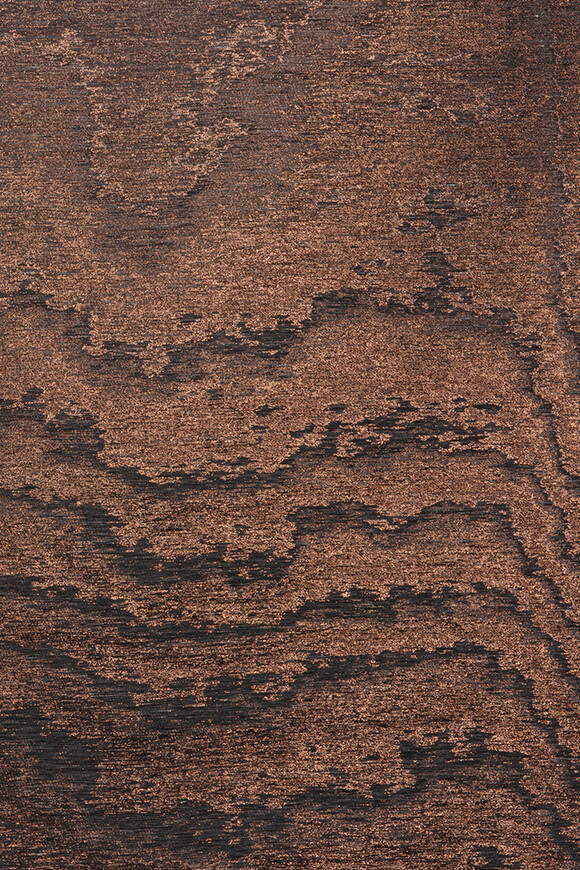
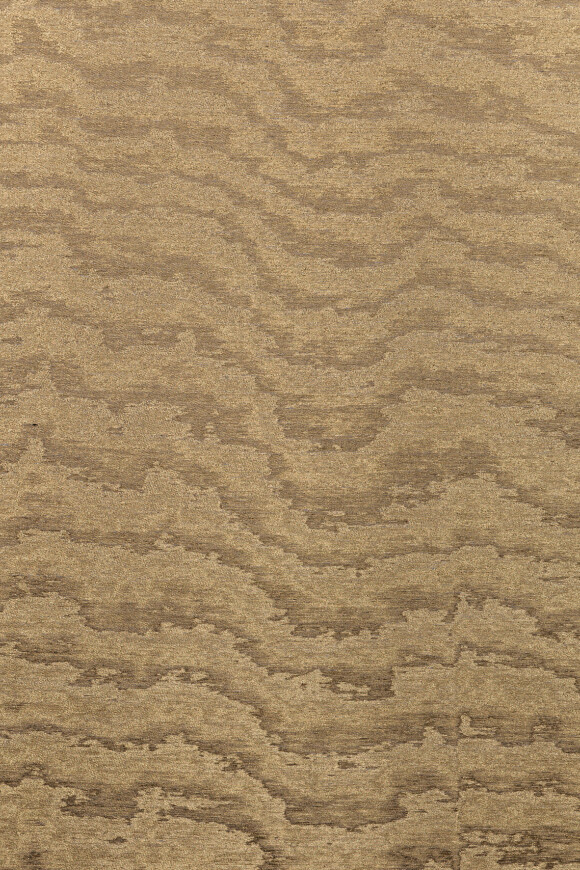
In recent years, an unusual, wave-like pattern has begun to appear in more and more interiors: moiré. Resembling the gentle rippling of water, this motif brings a distinctive sense of depth and movement to surfaces. It may also evoke the grain of wood, while in combination with colour it can create a vibrant, youthful energy. Because of its organic quality and visual richness, designers have rediscovered it and are increasingly drawn to its use.


The Story of a Royal Fabric

Moiré originally refers to a textile technique that appeared in Europe as early as the 17th century. The word comes from the French moirer, referring to a watery, undulating surface. Traditionally, the pattern was created on silk: the damp fabric was pressed with high-pressure rollers so that the threads bent subtly in different directions, producing the characteristic effect.

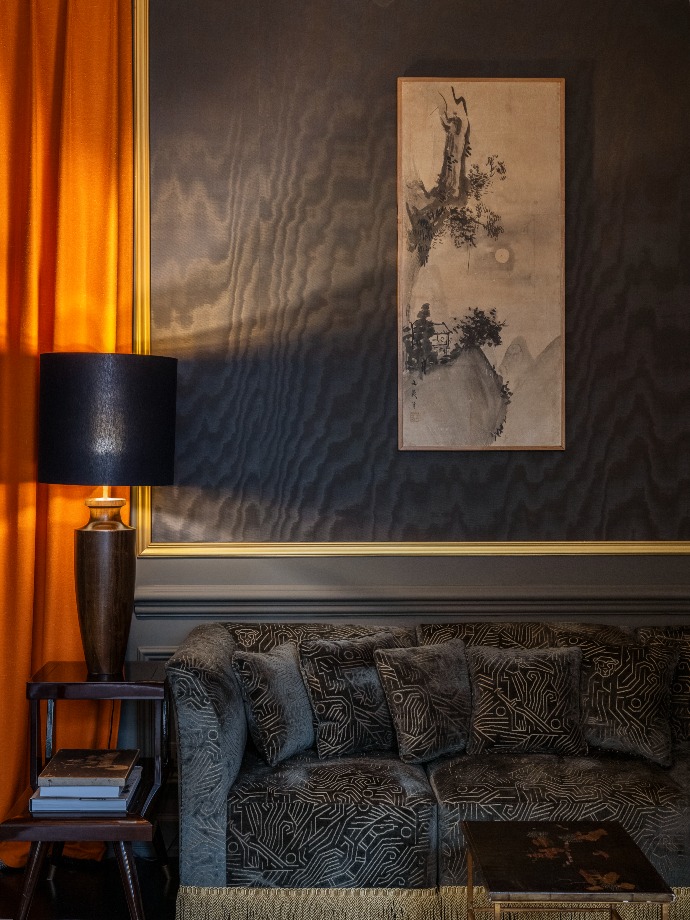
For a long time, moiré silk was associated with luxury and representation. It appeared in royal courts, palaces, and elegant interiors, typically on wall coverings, draperies, and upholstery. This kind of shimmering luxury fitted perfectly into the richness and theatricality of the Baroque.


Optical Play and Visual Depth

What makes moiré especially fascinating is that it is not only a textile pattern but also an optical phenomenon. When two similar structures are layered with a slight offset, a wavelike interference pattern emerges. This optical effect is what gives the surface its vibrating, almost moving quality.

As Elle Decor notes in its article on moiré, designers are returning to this pattern today primarily because it introduces a distinctive texture and a subtle play of light into a space.


Moiré in Contemporary Interiors

Today, moiré appears not only in textiles. It is increasingly found in wallpapers, decorative panels, and wall coverings as well. A number of international manufacturers — including Dedar, Élitis, Lelièvre Paris, Arte, and Texam — have incorporated the pattern into their current collections.

In contemporary interiors, moiré often appears in restrained shades such as sand, off-white, deep grey, or darker tones, which makes it feel both elegant and modern. At the same time, its more vibrant, colourful versions also find their place in bolder interiors with a retro spirit, where the pattern fits just as naturally.

An Old Technique, A New Source of Inspiration

Moiré is a striking example of how a centuries-old technique can return to contemporary design. Its undulating surface feels both classic and modern at once — and perhaps that is exactly why it has once again become such an exciting source of inspiration in interior architecture.

Kategóriák
blog magazin

A moiré visszatérése – hullámzó luxus a kortárs enteriőrben

A belsőépítészetben -akár csak más művészeti területeken- időről időre visszatérnek olyan formavilágok, felületek és minták, amelyek egyszerre idézik egy múltbeli stílus eleganciáját, mégis közben új karaktert adnak egy friss, kortárs szemléletben, közegben.

Az utóbbi években/időben egyre több enteriőrben jelenik meg egy különleges, hullámzó mintázat: a moiré. A vízfelület finom fodrozódására emlékeztető rajzolat különleges mélységet és mozgást ad a felületeknek. Emlékeztethet bennünket a fa erezetmintájára, színekkel vegyítve pedig egy vibráló, fiatalos pezsgésre emlékeztet minket. Az organikus vonzata és sokszínűsége miatt a designerek ismét felfedezték maguknak és előszeretettel nyúlnak hozzá.


Egy királyi textil története

A moiré eredetileg egy textiltechnika, amely már a 17. században megjelent Európában. A kifejezés a francia „moirer” szóból származik, amely a vízszerű, hullámzó felületre utal. A mintát hagyományosan selyemszöveteken hozták létre: a nedves anyagot nagy nyomású hengerekkel préselték, így a szálak finoman eltérő irányba törtek, létrehozva a jellegzetes mintázatot.

A moiré selyem sokáig a luxus és a reprezentáció anyaga volt. Királyi udvarok, paloták és elegáns enteriőrök falborításain, drapériáin, bútorok szövetein jelentek meg általában, ez a fajta vibráló luxus pedig tökéletesen bele illett a barokk sokszínűségébe.


Optikai játék és vizuális mélység

A moiré különlegessége, hogy nemcsak textilminta, hanem egy optikai jelenség is. Amikor két hasonló struktúra enyhén elcsúszva kerül egymásra, hullámzó interferenciaminta jön létre. Ez az optikai hatás adja a felület vibráló, mozgó karakterét.

Ahogy az Elle Decor is írja a moiréval foglalkozó cikkében, a designerek ma elsősorban azért fordulnak újra ehhez a mintához, mert különleges textúrát és finom fényjátékot hoz a térbe.


A moiré a kortárs enteriőrökben

A moiré ma már nemcsak textilekben jelenik meg. Tapétákon, dekorpanelekben és falburkolatokon is egyre gyakrabban találkozhatunk vele. Számos nemzetközi gyártó – például a Dedar, az Élitis, Lelièvre Paris, Arte vagy akár a Texam– is használja a mintát aktuális kollekcióiban.

A kortárs enteriőrökben a moiré gyakran visszafogott színekben jelenik meg: homok, törtfehér, mély szürke vagy sötét tónusok formájában, így egyszerre elegáns és modern hatású. Emellett egy vibrálóbb, színesebb verziója pedig a vagányabb, retró hatást idéző belsőterekben is helyt kap, ahova szintén tökéletesen illeszkedik minta.

Egy régi technika új inspirációja

A moiré különleges példája annak, hogyan térhet vissza egy több évszázados technika a kortárs designba. A hullámzó felület egyszerre klasszikus és modern – talán éppen ezért válik ismét izgalmas inspirációvá a belsőépítészetben.

Kategóriák
blog magazin

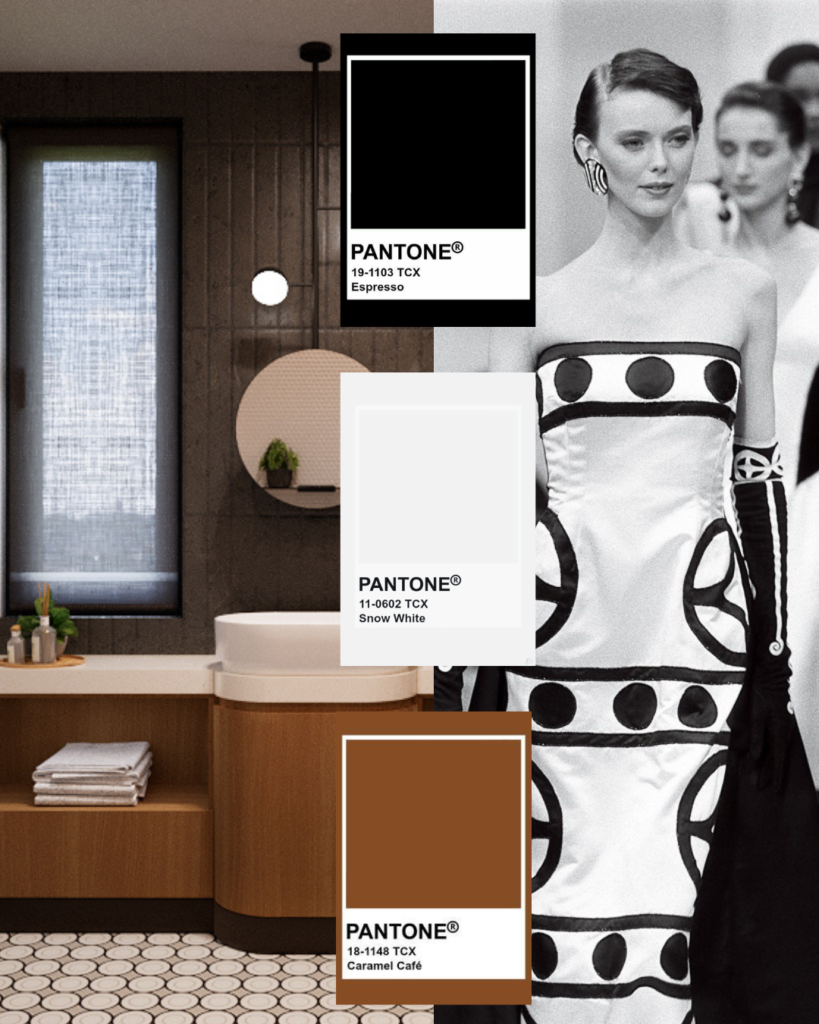
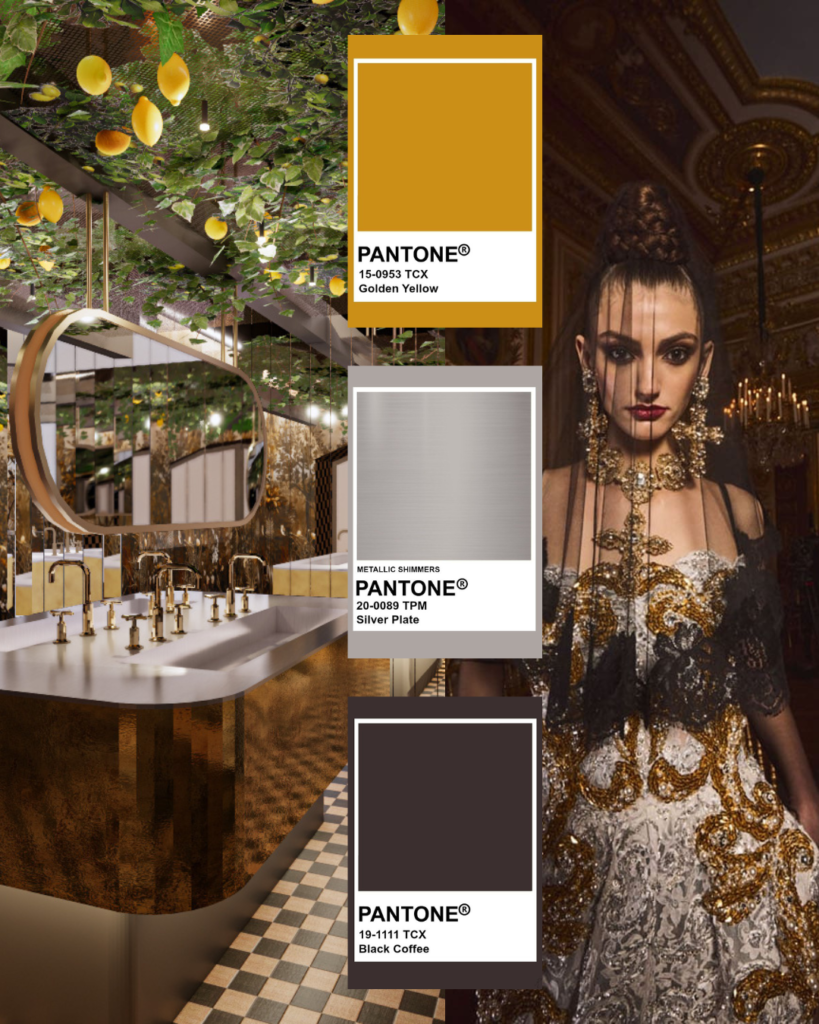
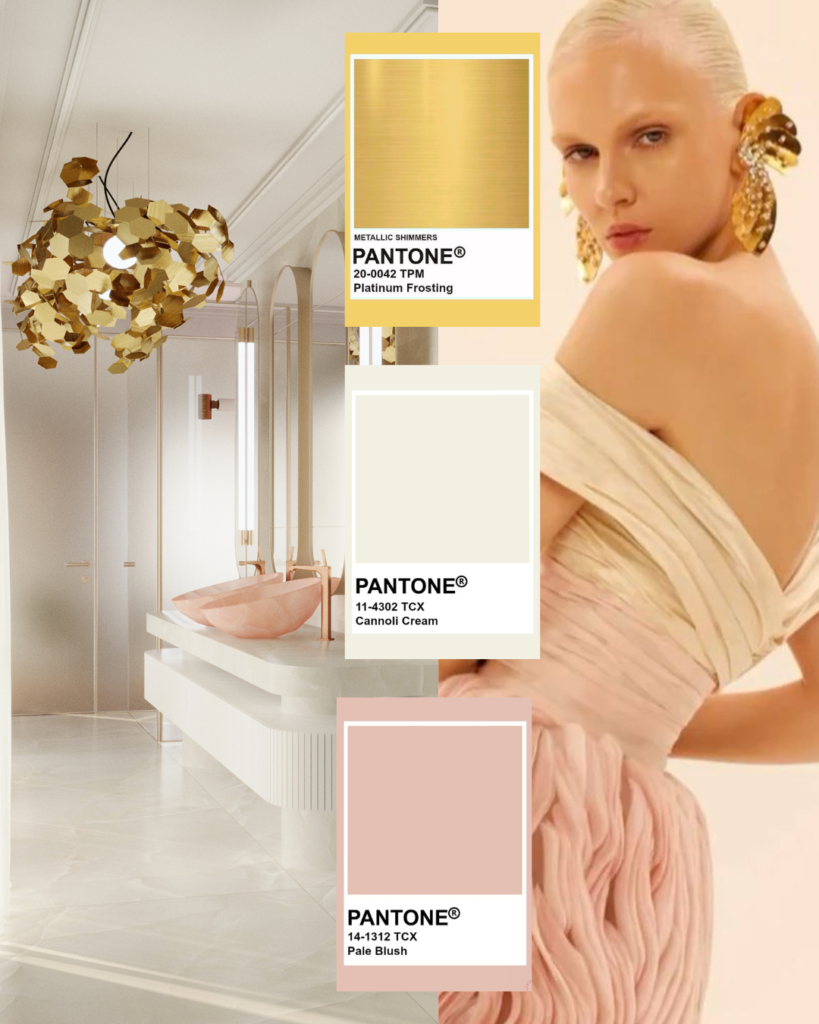
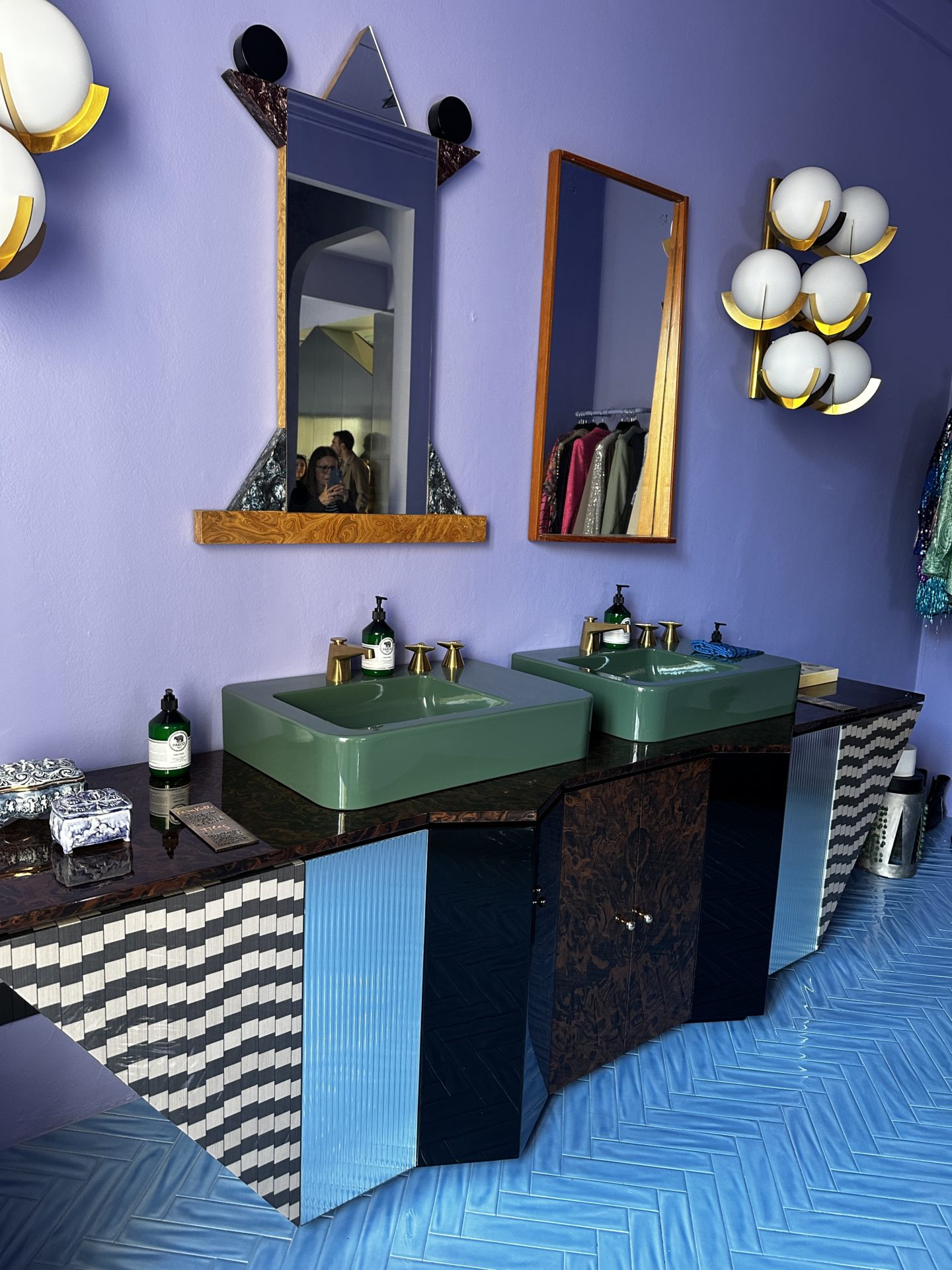
Lehet egy fürdőszoba divatos?

Íme néhány saját tervezésű koncepciónk, amelyek arra inspiráltak minket, hogy kilépjünk a megszokott keretek közül, és bátran gondolkodjunk – ugyanúgy használva a mintákat, színeket és textúrákat, ahogyan a haute couture is teszi. Néhány a jövő stílusirányzataira és értelmezéseire utal, míg mások azt mutatják meg, hogy bizonyos klasszikus minták és formák mindig is helyet kapnak a design világában. Célunk olyan terek megalkotása, amelyek kifejezőek, személyesek és kompromisszumok nélküliek.

Kategóriák
blog magazin

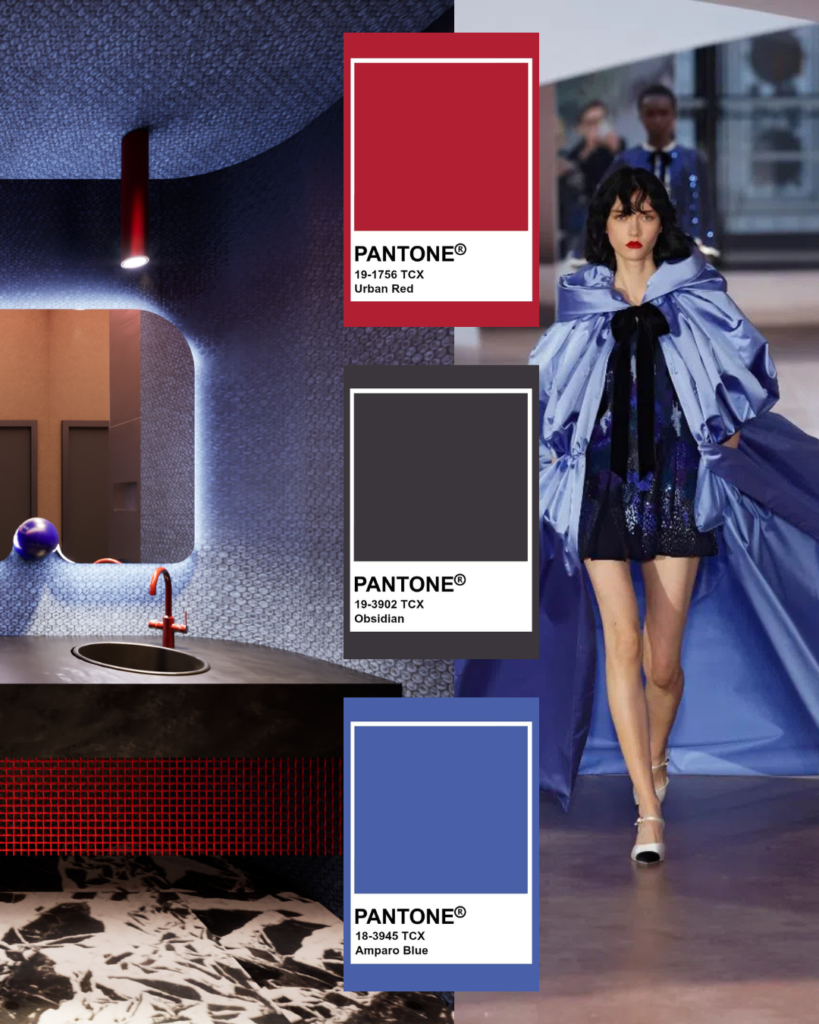
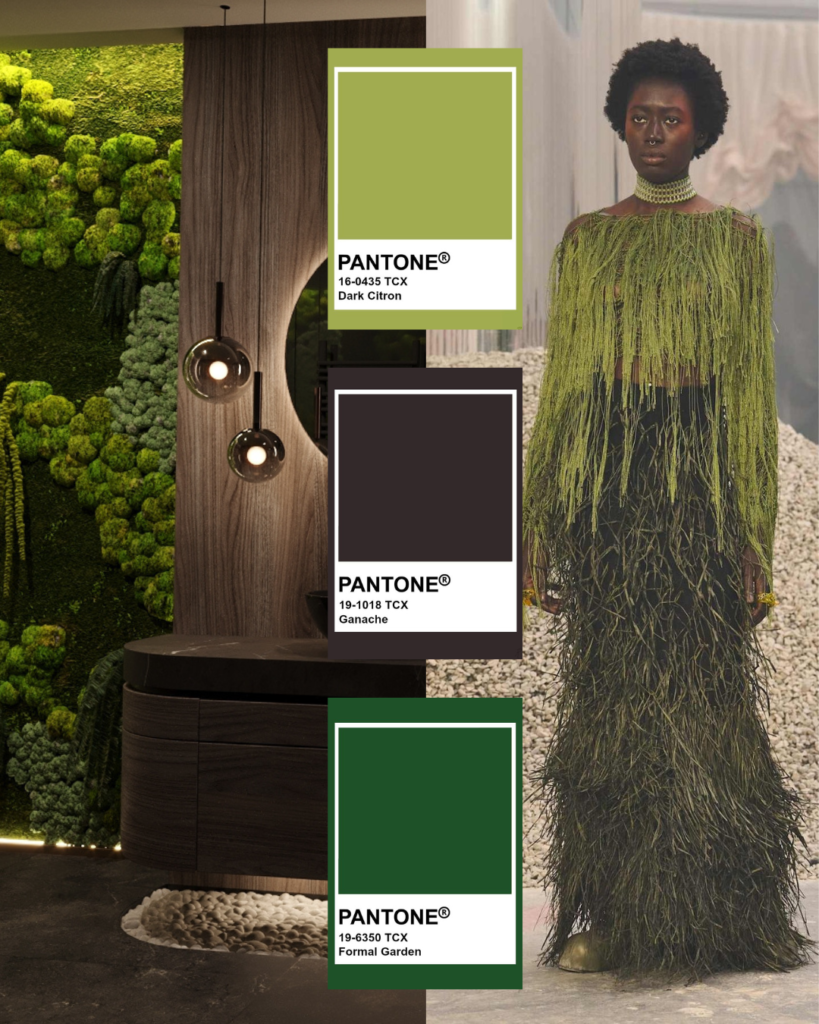
Can a bathroom be fashionable?

Here are some of our designs that inspired us to think outside the box and be bold, embracing patterns, colours and textures in the same way haute couture does. Some hint at future tendencies in style and interpretation, while others demonstrate how classic patterns and shapes will always have a place in the design world. Our goal is to create spaces that are expressive, personal and unapologetically designed.

Kategóriák
blog magazin

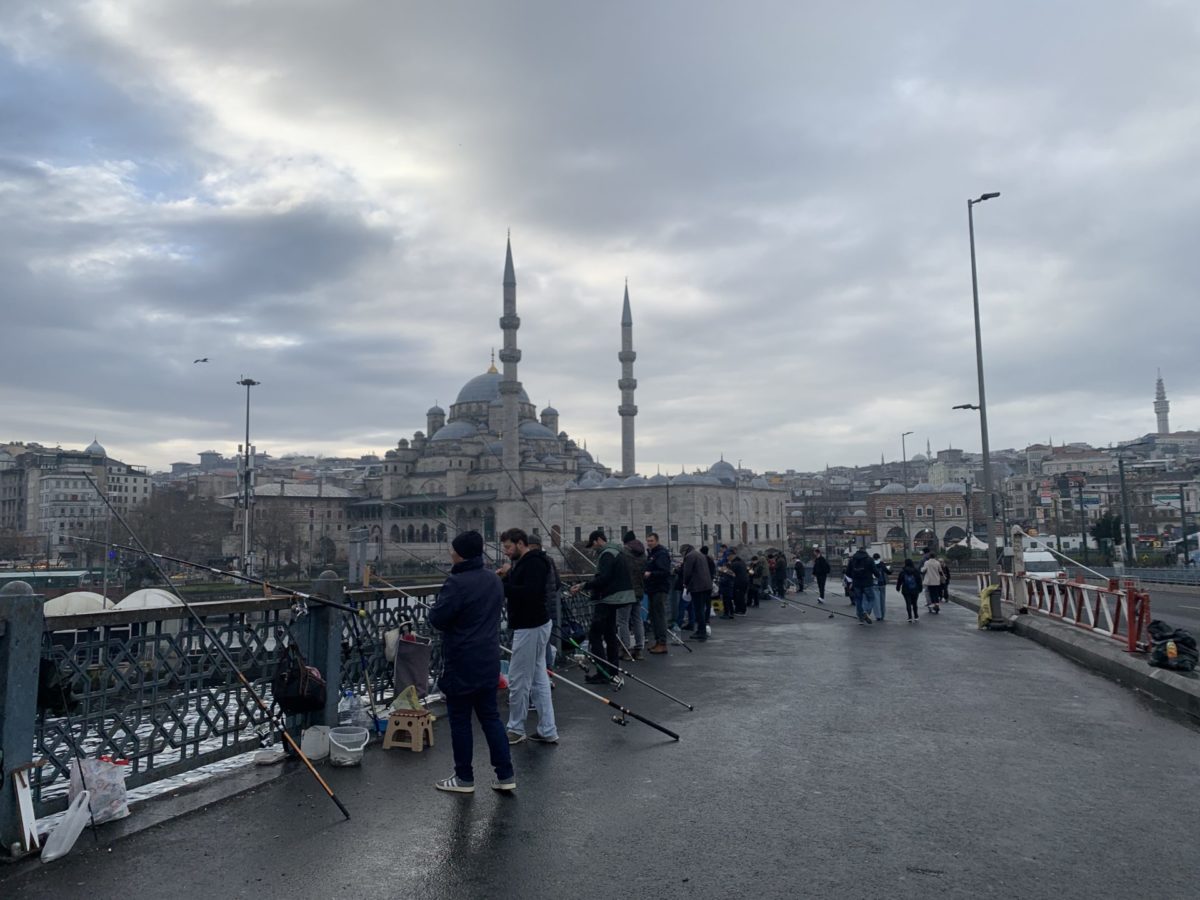
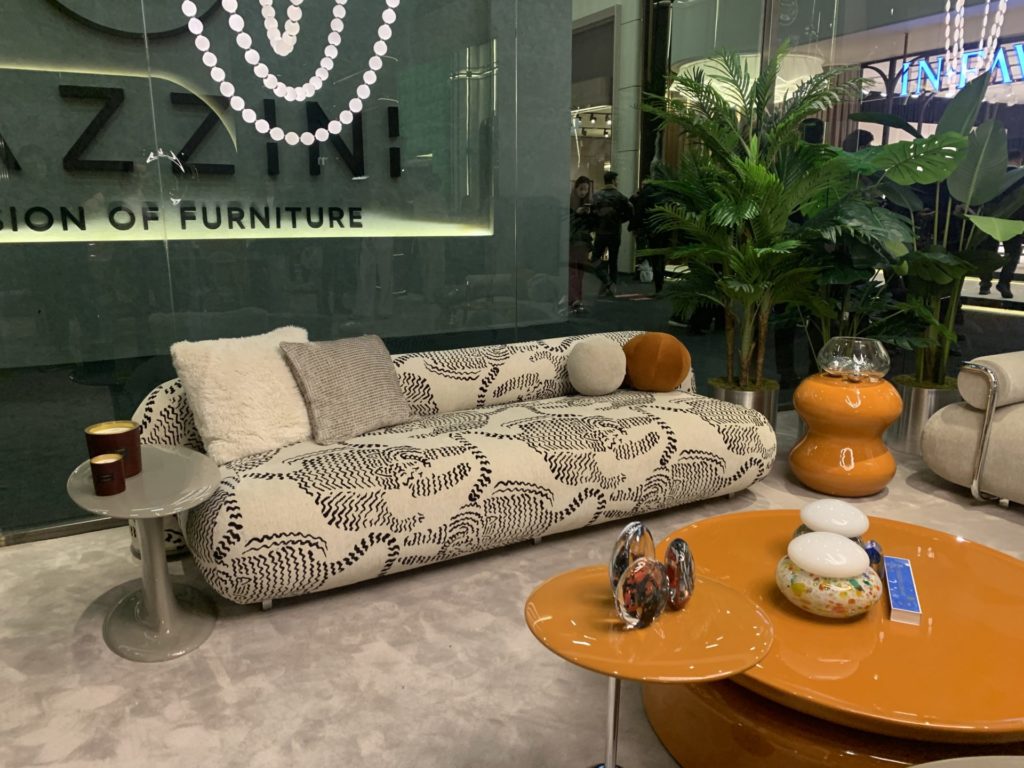
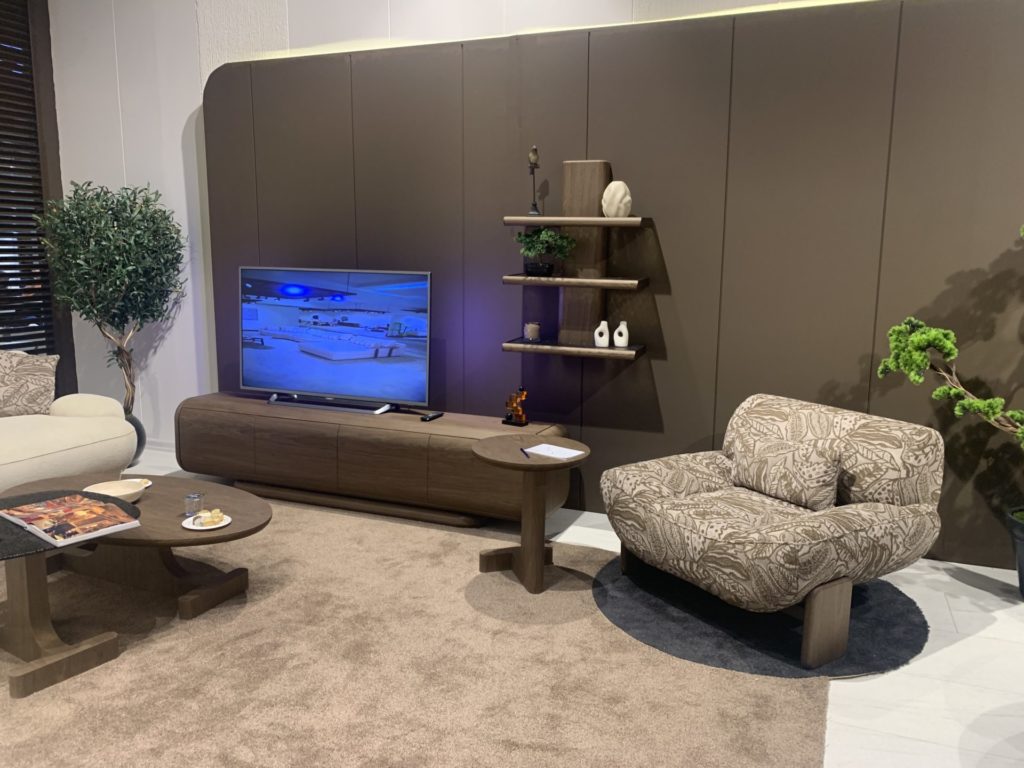
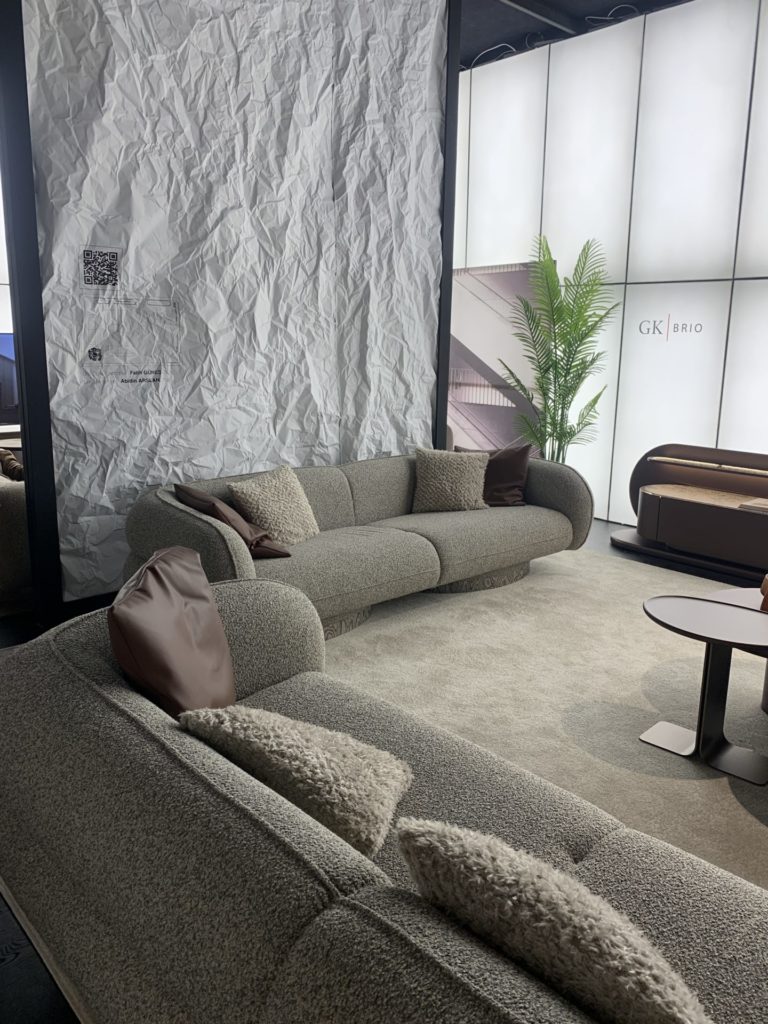
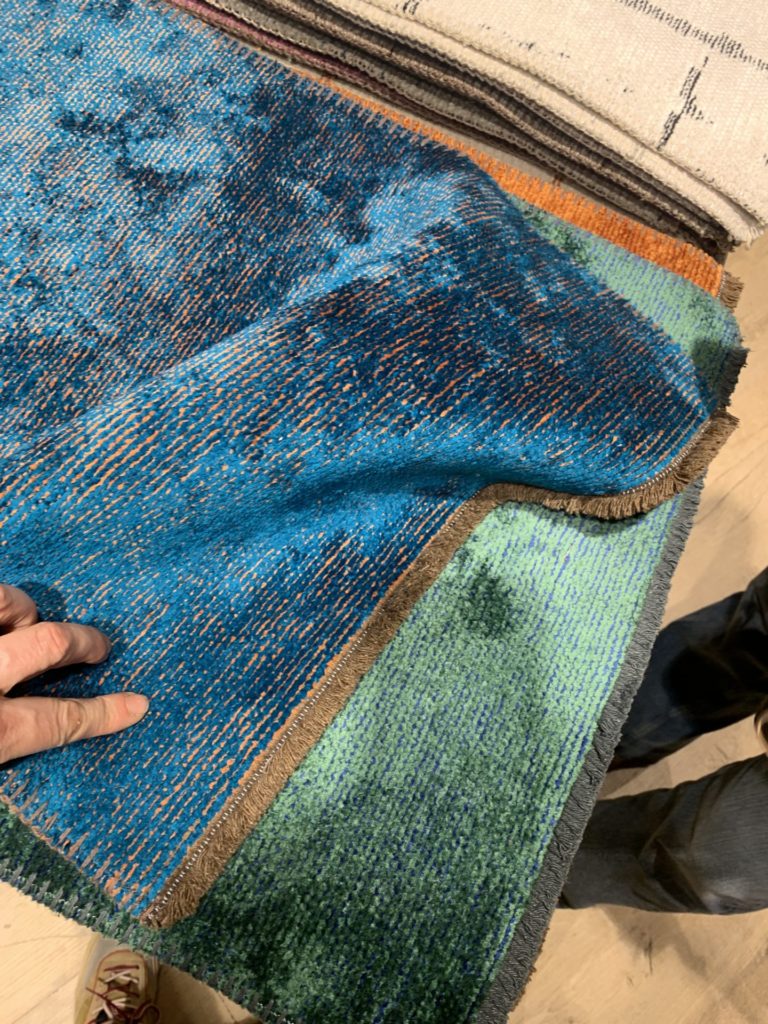
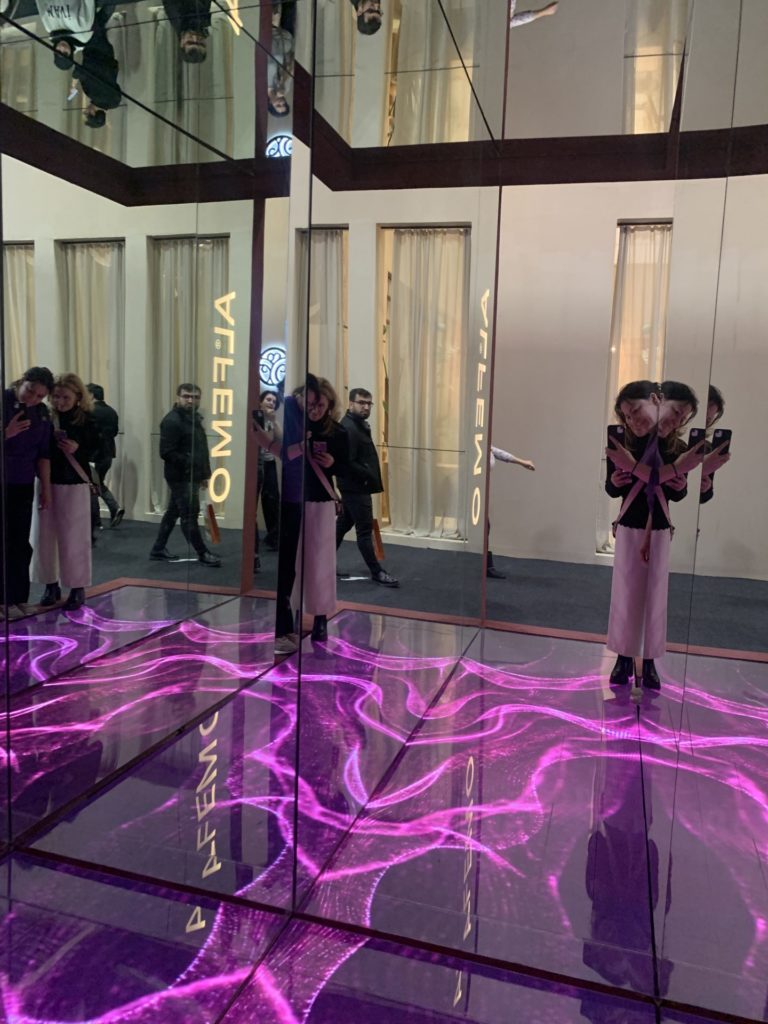
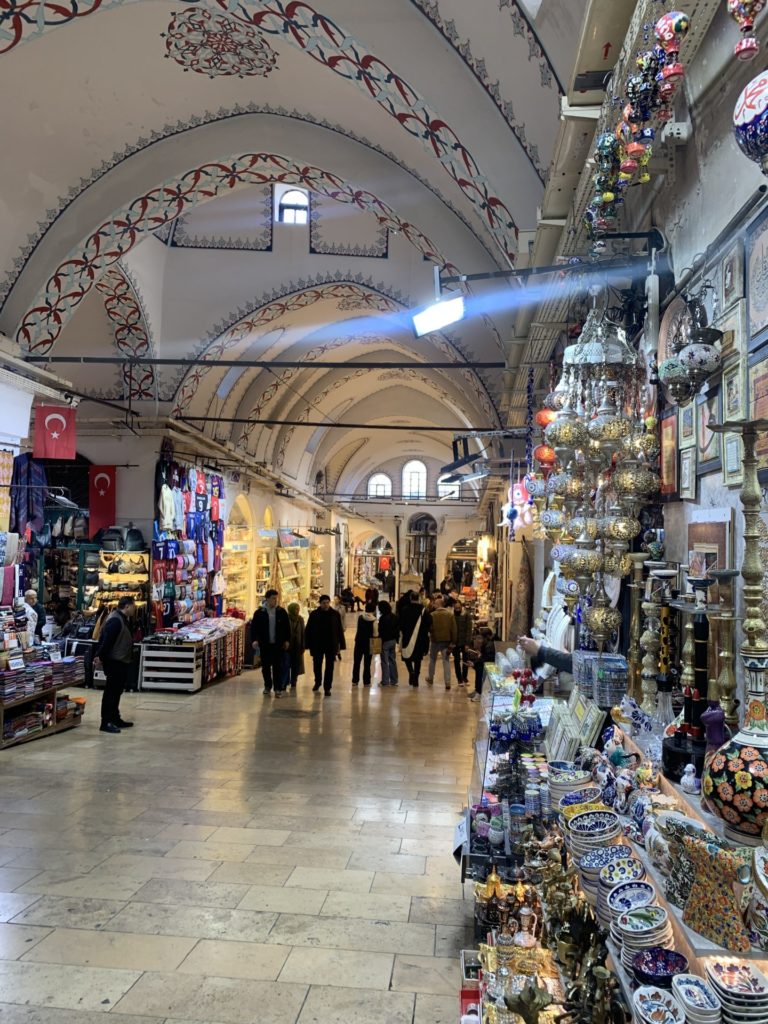
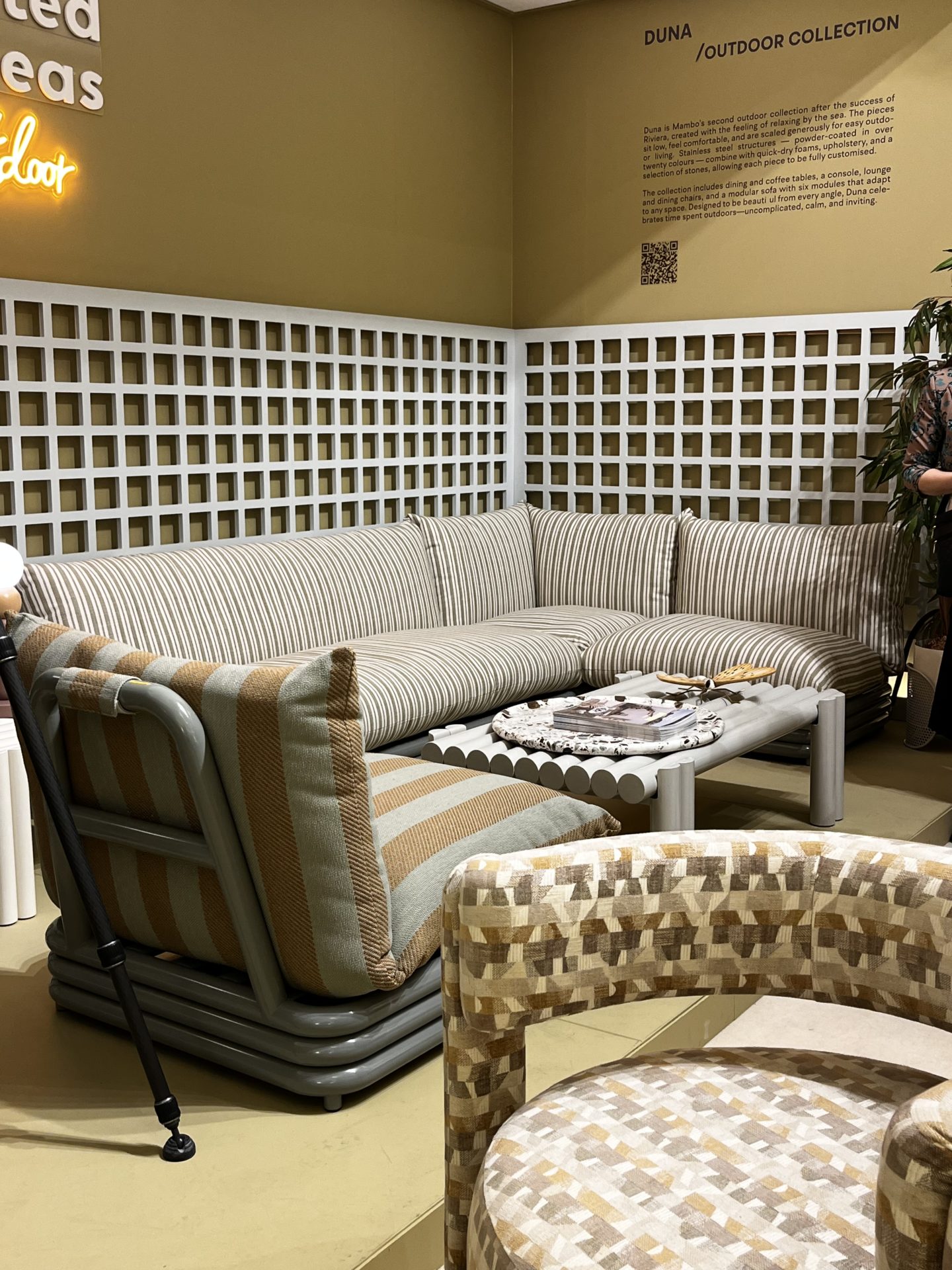
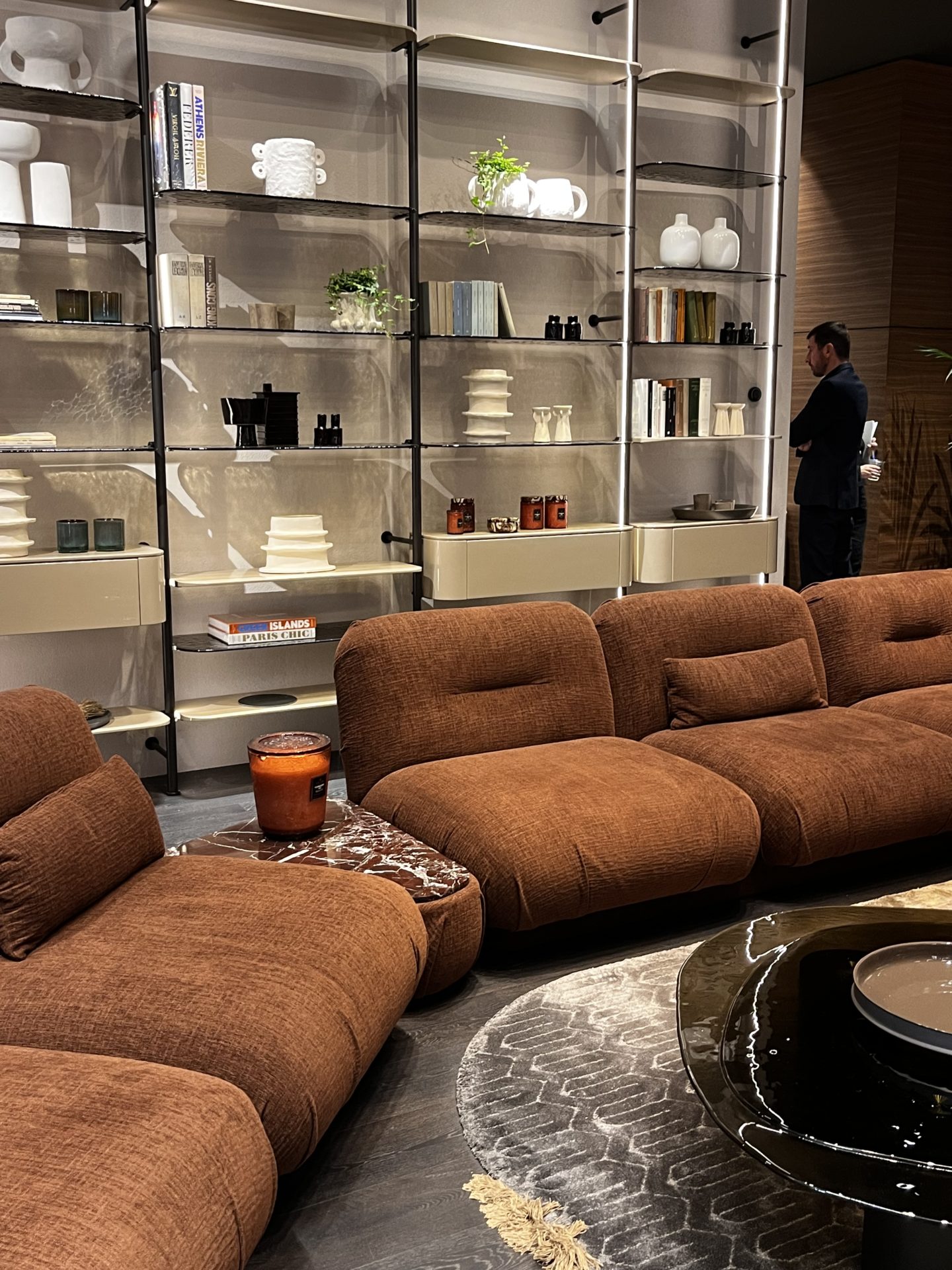
Ilyen volt az Isztambuli Bútorkiállítás

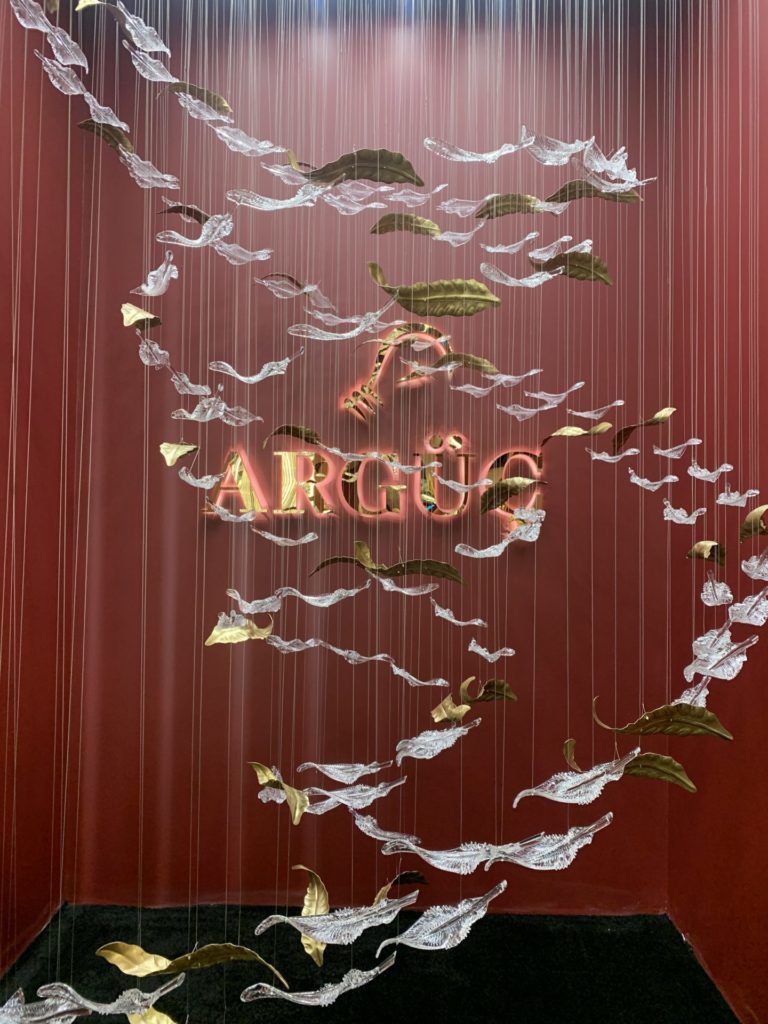
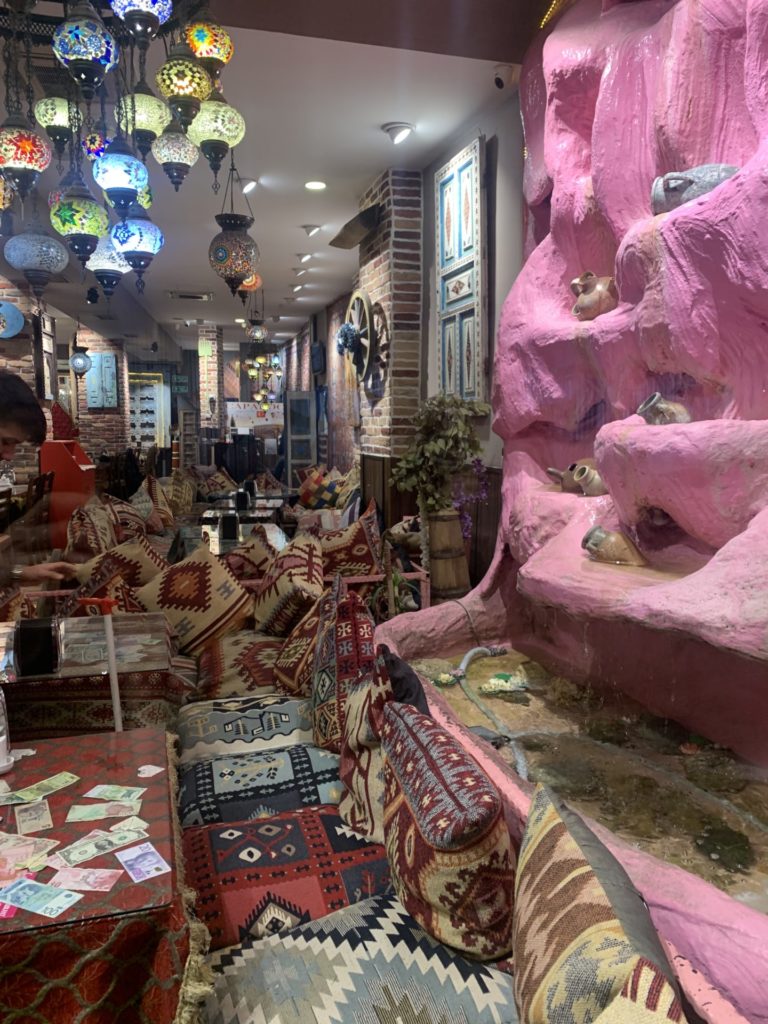
2026 januárjában ellátogattunk az isztambuli bútorkiállításra, ahol a rendezvényt két eltérő, mégis egymást jól kiegészítő nézőpontból – tervezői és sales szemszögből – vizsgáltuk meg.

Tapasztalataink összességében pozitívak és inspirálóak voltak.

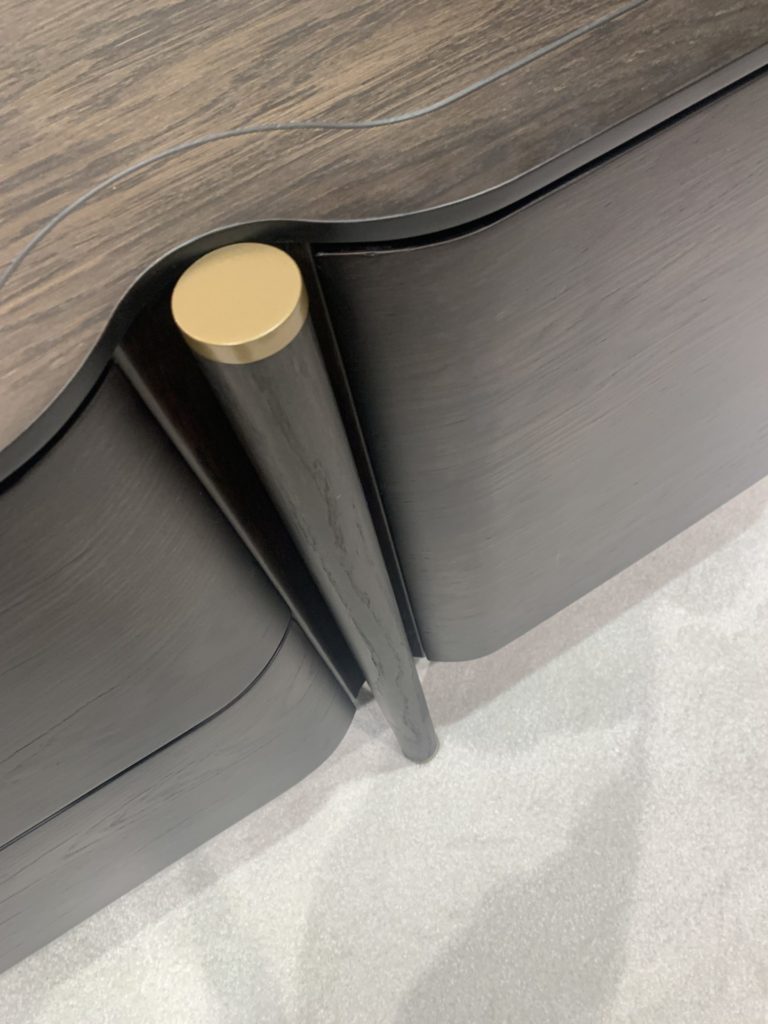
A török bútorgyártás kiemelkedő erőssége a formavilág esztétikai minősége. A famunkák különösen igényesek, az íves megoldások precízen kidolgozottak és vizuálisan kifejezetten vonzóak. A felhasznált textilek minősége és megjelenése szintén magas színvonalú, ami jól mutatja a gyártók anyaghasználat iránti érzékenységét.

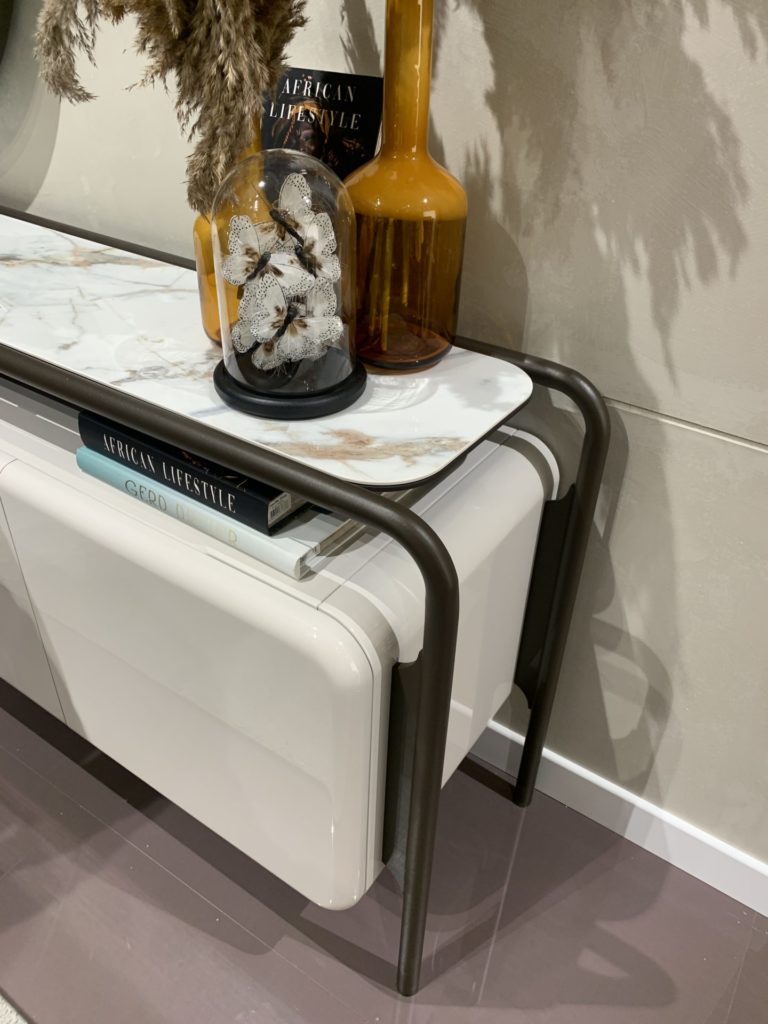
A fotelek és székek kategóriája kifejezetten kellemes meglepetést okozott: számos darab trendkövető, korszerű megközelítést tükröz, és több olyan modell is akadt, amelyet szívesen integrálnánk saját projektjeinkbe.

Stabil alap – kiváló lehetőség a fejlődésre

Ami a fejlesztési irányokat illeti, megfigyelhető, hogy a formatervezés gyakran a nagy múltú, piacvezető európai márkák korábbi – jellemzően 2–3 éves – designmegoldásaira épül. Ez stabil, bevált alapot jelent, ugyanakkor az egyedi, karakteres koncepciók és az innovatív formanyelv további erősítése komoly lehetőséget hordoz magában.

A TV-nappali bútorfalak organikus, egységes stílusvilága markáns karaktert képvisel, amely bizonyos európai enteriőr-koncepciókba tudatos tervezői adaptációval illeszthető be. Az ülőgarnitúrák esetében a részletgazdag, hangsúlyos formálás dominál, amely elsősorban a keleti és ázsiai piacok ízlésvilágához igazodik.

Technológiai szempontból a török bútorgyártás felkészült, a kivitelezés minősége megbízható és versenyképes. A kiállításon látottak alapján a designkoncepció tudatos, hosszú távú stratégiai építése, valamint az önálló márkaidentitás további erősítése jelentheti a következő fejlődési lépcsőt. A kollekciók jelenleg döntően az európai trendekkel párhuzamos irányba mozdulnak, miközben az értékesítési fókusz egyértelműen a keleti és ázsiai régiók felé orientálódik.

Összességében a török gyártók komoly szakmai potenciállal rendelkeznek, amely tudatos koncepcióépítéssel és innovációval tovább erősíthető a nemzetközi piacon.

Beszámoló: Szabó Csilla és Kertes-Kovács Andrea kollégáinktól