Kategóriák
Construction

Elegance in forest green: Emerald Residence at Szervita Square

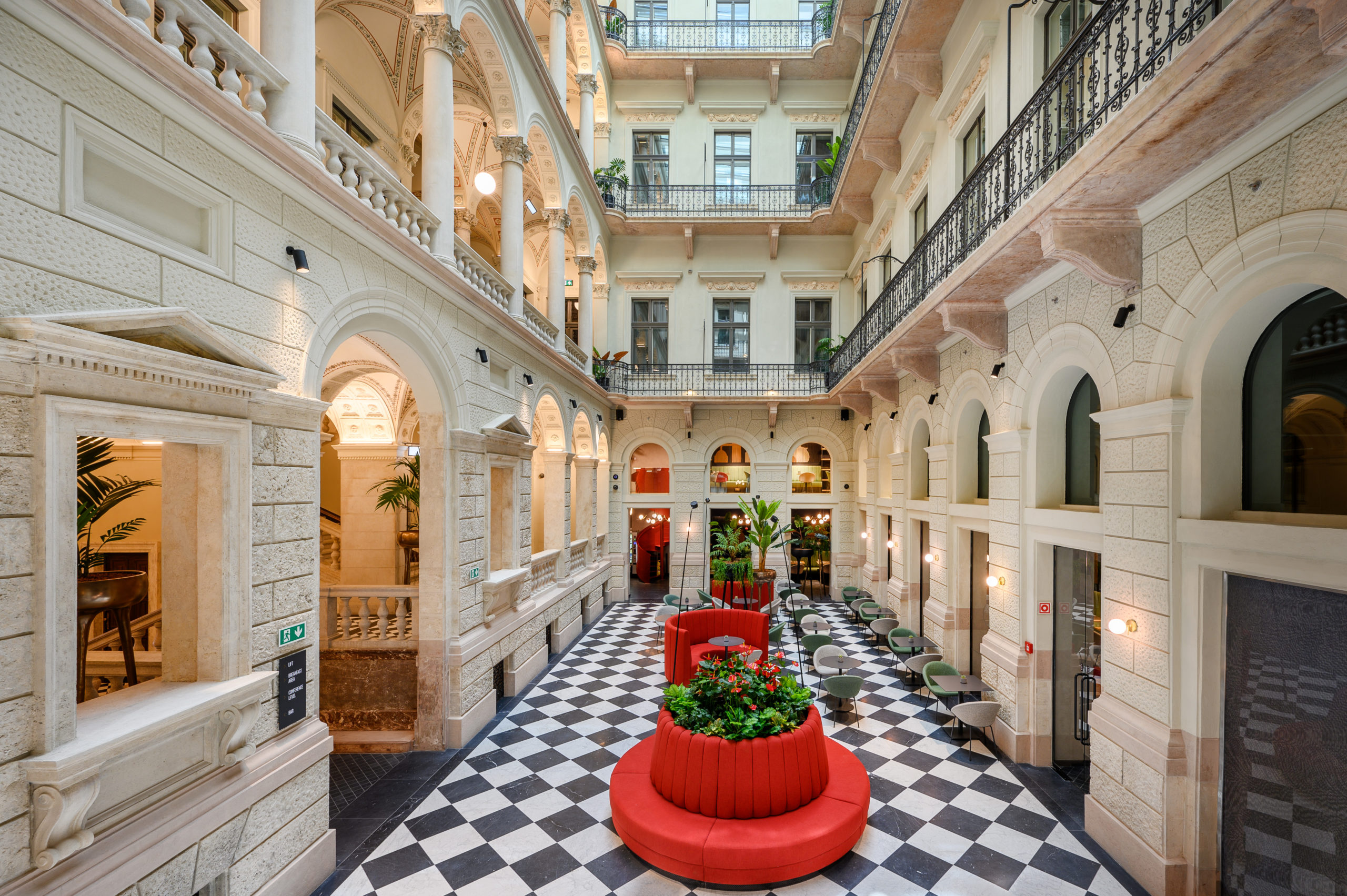
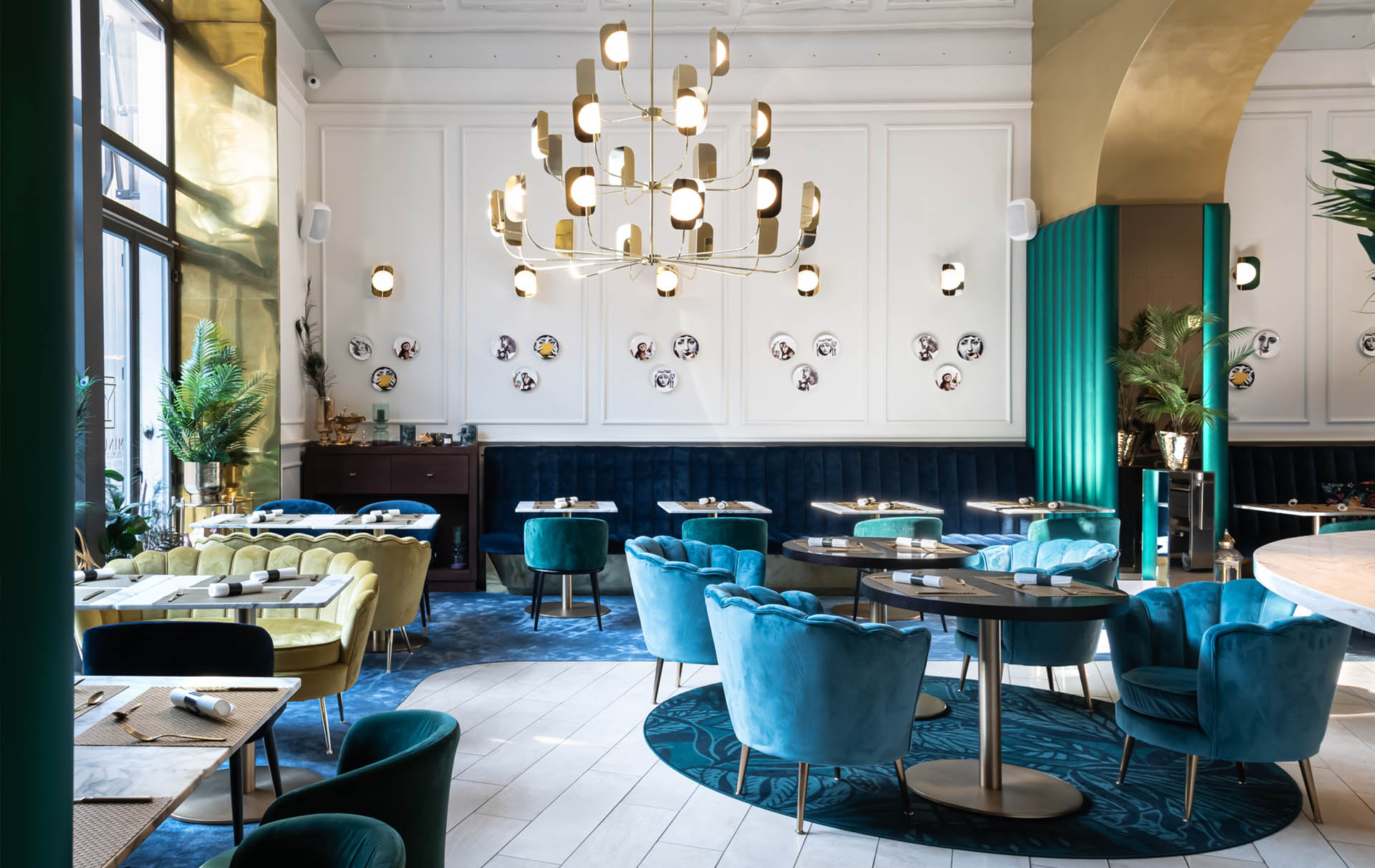
At Szervita Square, in Budapest where the former Downtown Telephone Exchange Center was located, Biggeorge Property envisioned Emerald Hotel&Suits, a hotel and apartment building which forms an architectural unit with St. Anne’s Church and offers one of the city’s most valuable properties. Eszter Radnóczy, chief designer and the este’r partners studio with offices in Szentendre and Milan, is responsible for the interior design concept. The portfolio of este’r partners includes interior design work on Budapest’s most popular restaurants (Bárkert Bistro, La Fabbrica, Minute Lounge&Bar), public spaces (reconstruction of the Buda Civic Casino) and several hotels at Andrássy Avenue.

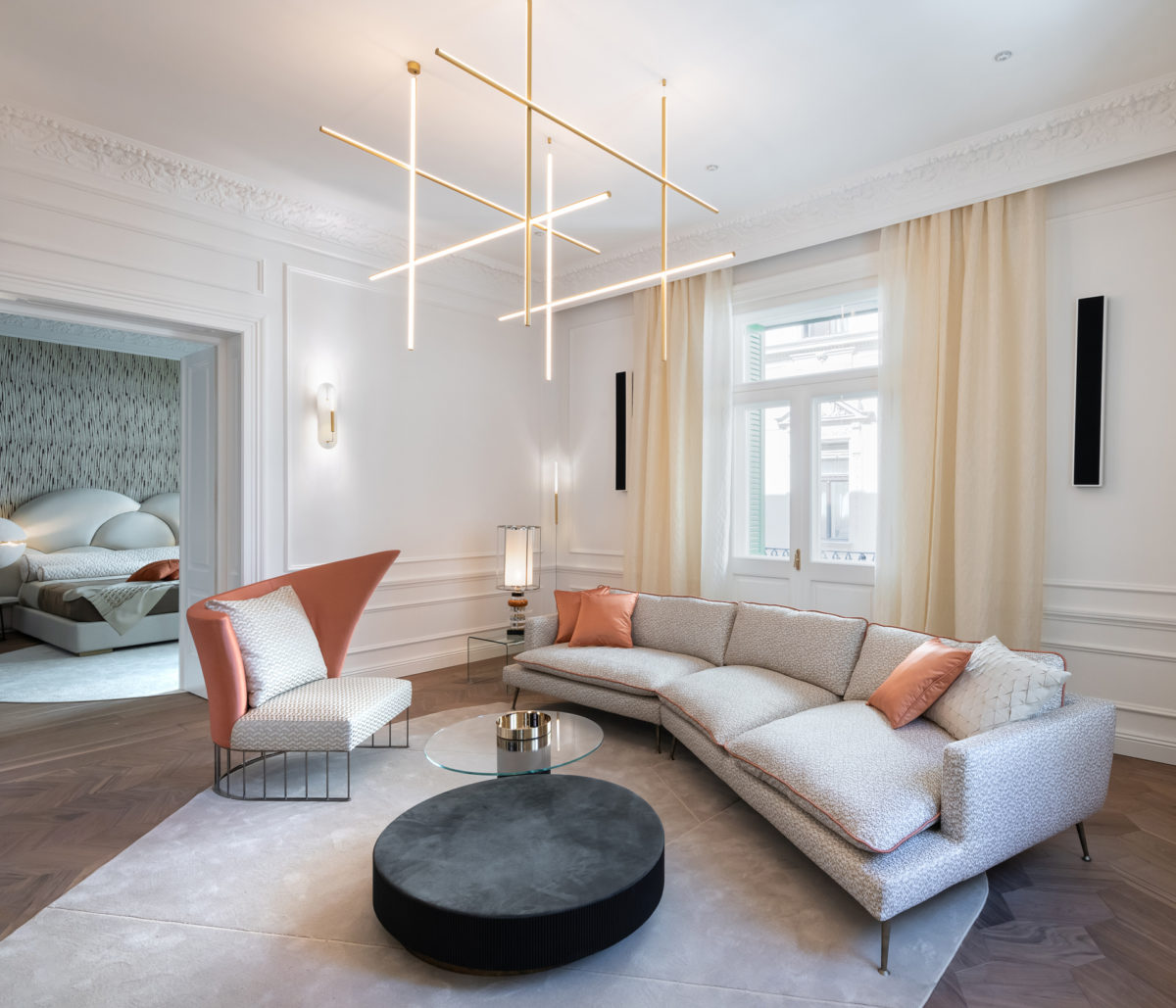
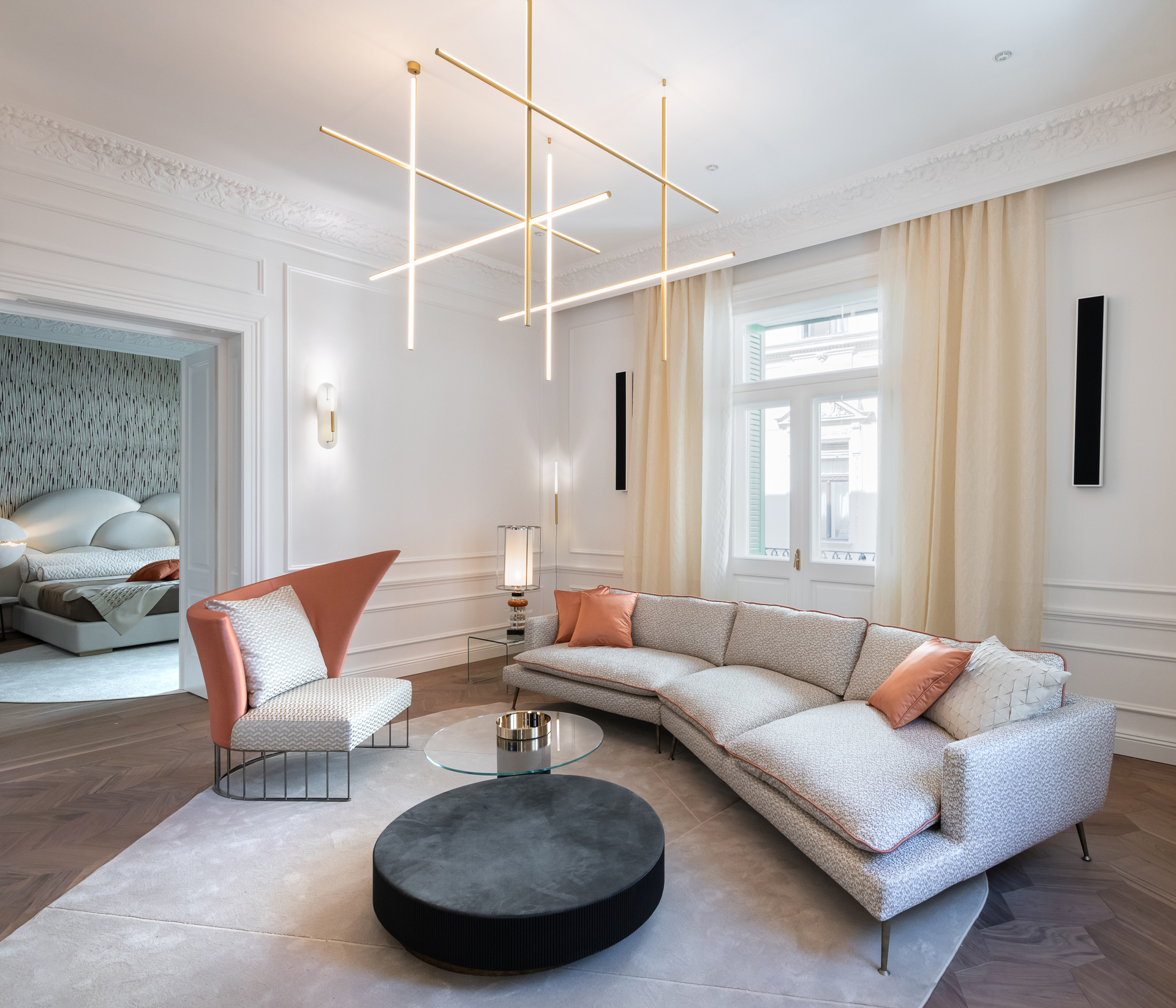
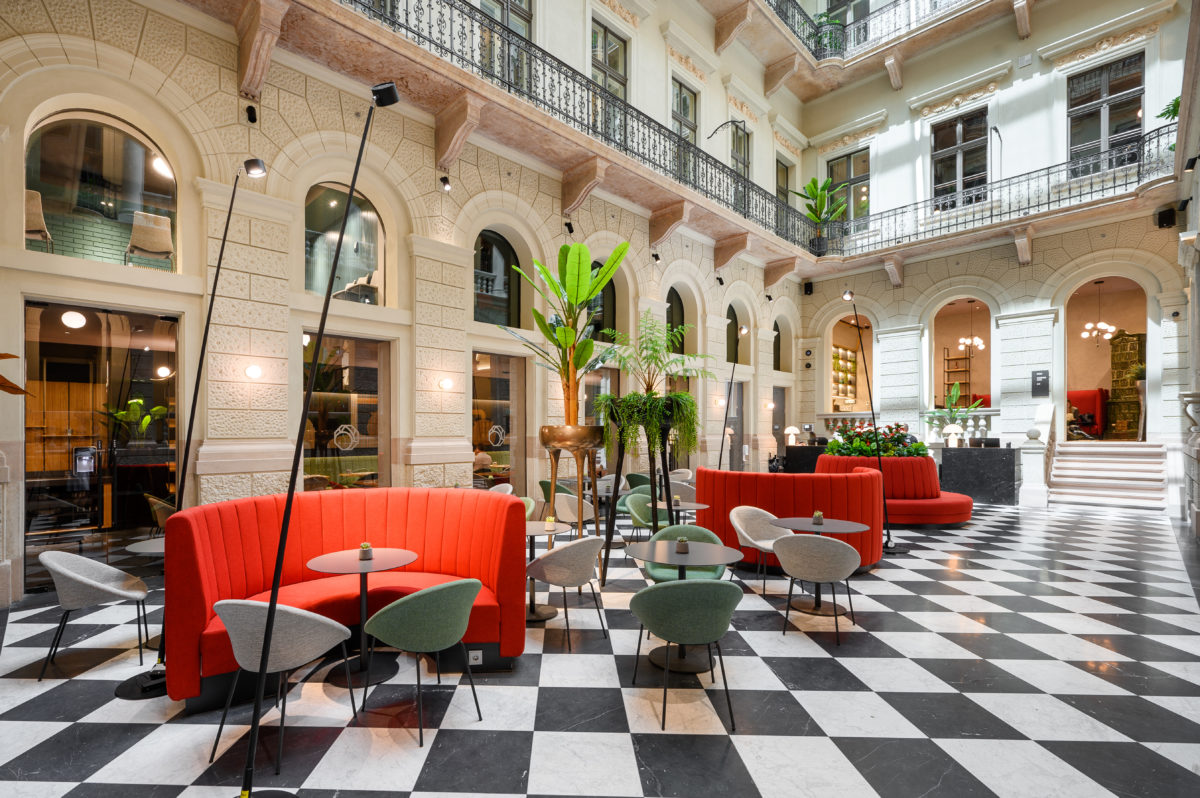
The recently opened Emerald Residence invites guests into an elegant interior, created with precious materials and unique designs, taking into consideration the beautiful meeting of the old and the new and the heritage of the historic downtown location. Interior designers at este’r partners have created a cosmopolitan, yet high-quality, soft and slightly exotic interior which blends beautifully with the prestigious downtown environment and the modern building.

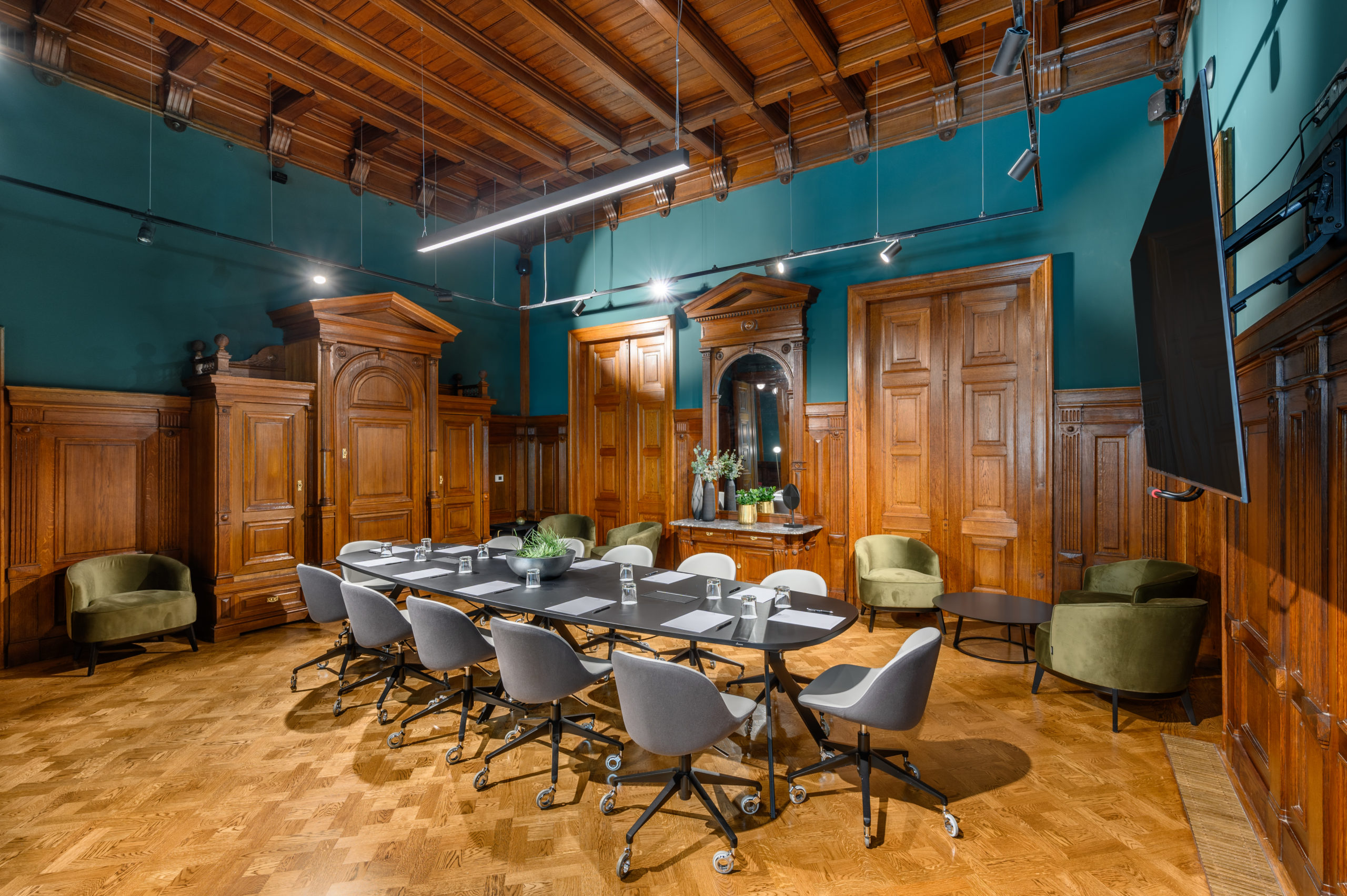
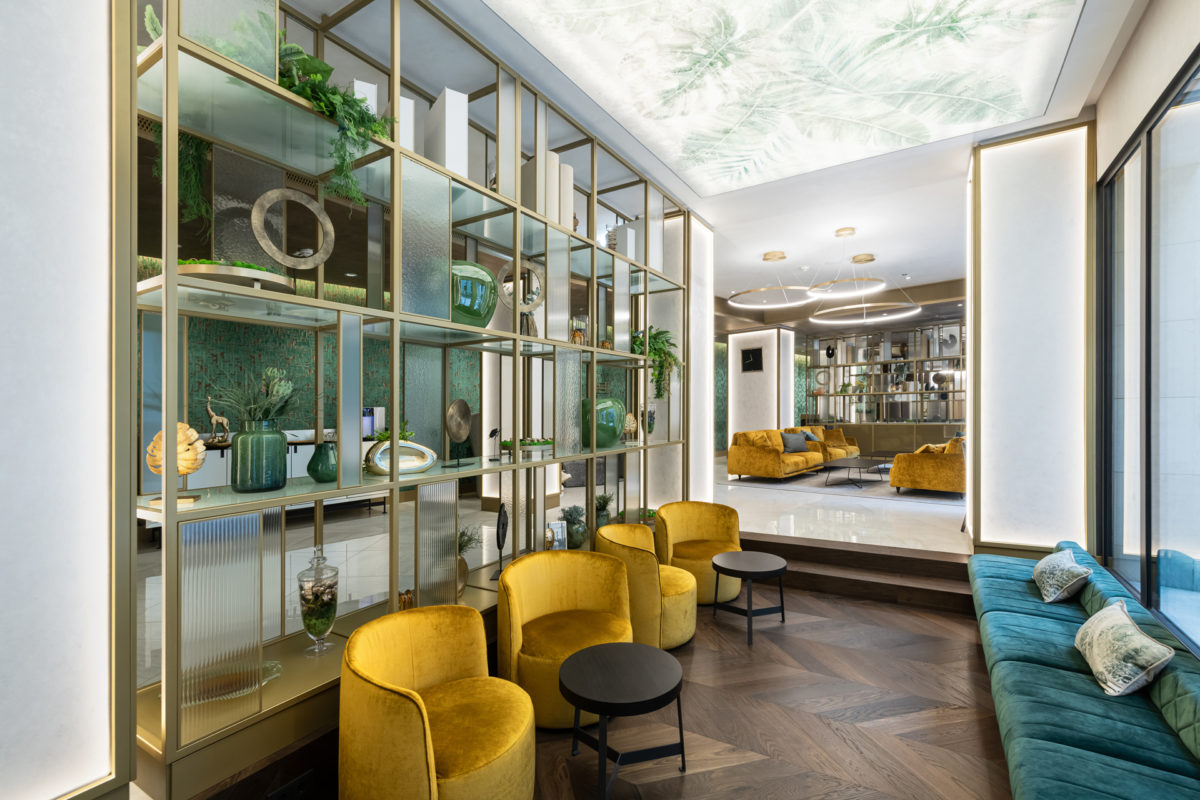
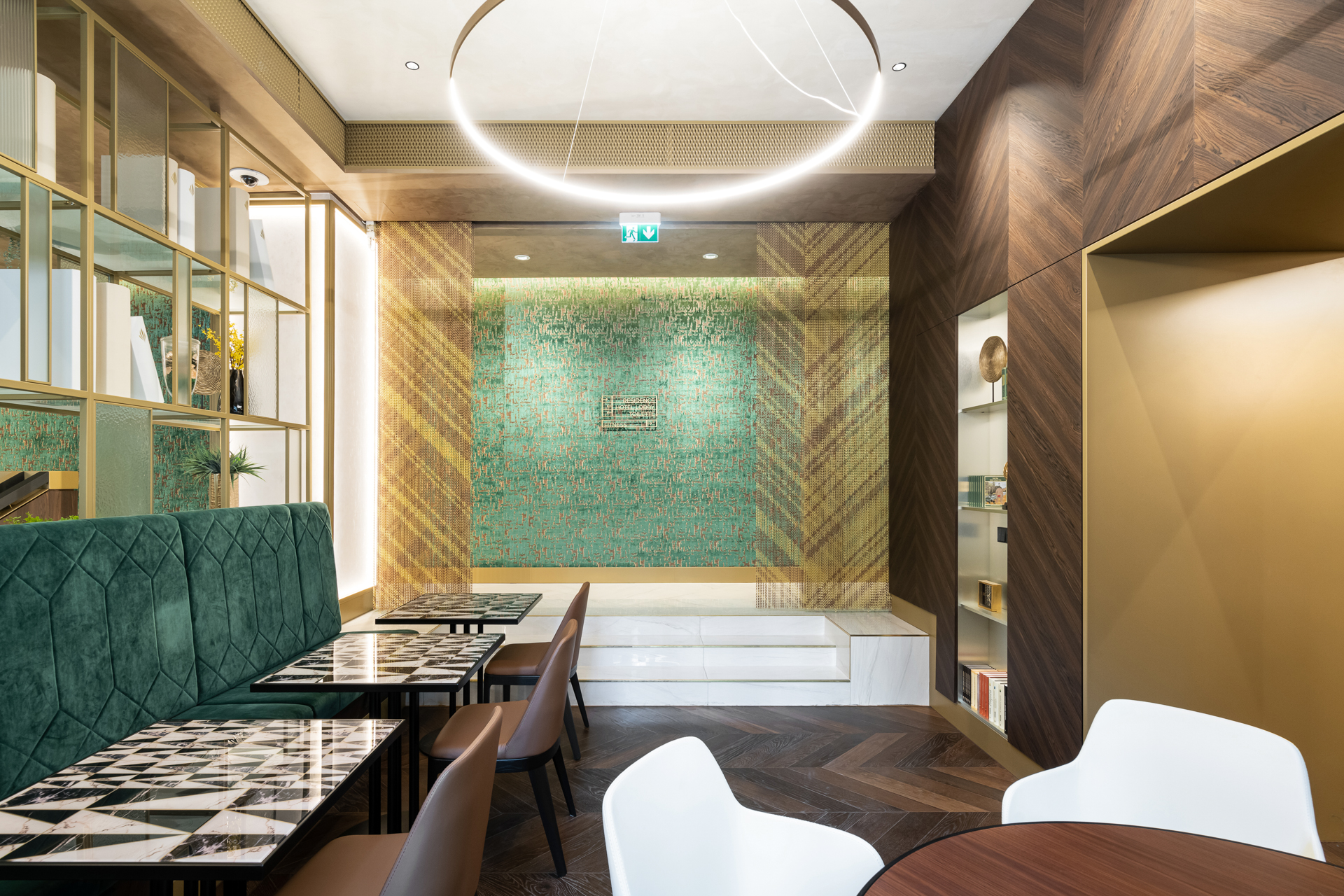
The interior design team of este’r partners has led the iconic forest green color through the interior of the Emerald: in combination with geometrically fractured claddings and surfaces, it gives the interior a jewel-like elegance. Forest green velvets meet champagne colors, metals and shiny, rich veined marbles: this is interrupted by the use of the natural walnut and playful mirrors.

Functional spatial structure, recurring geometry, hidden functions

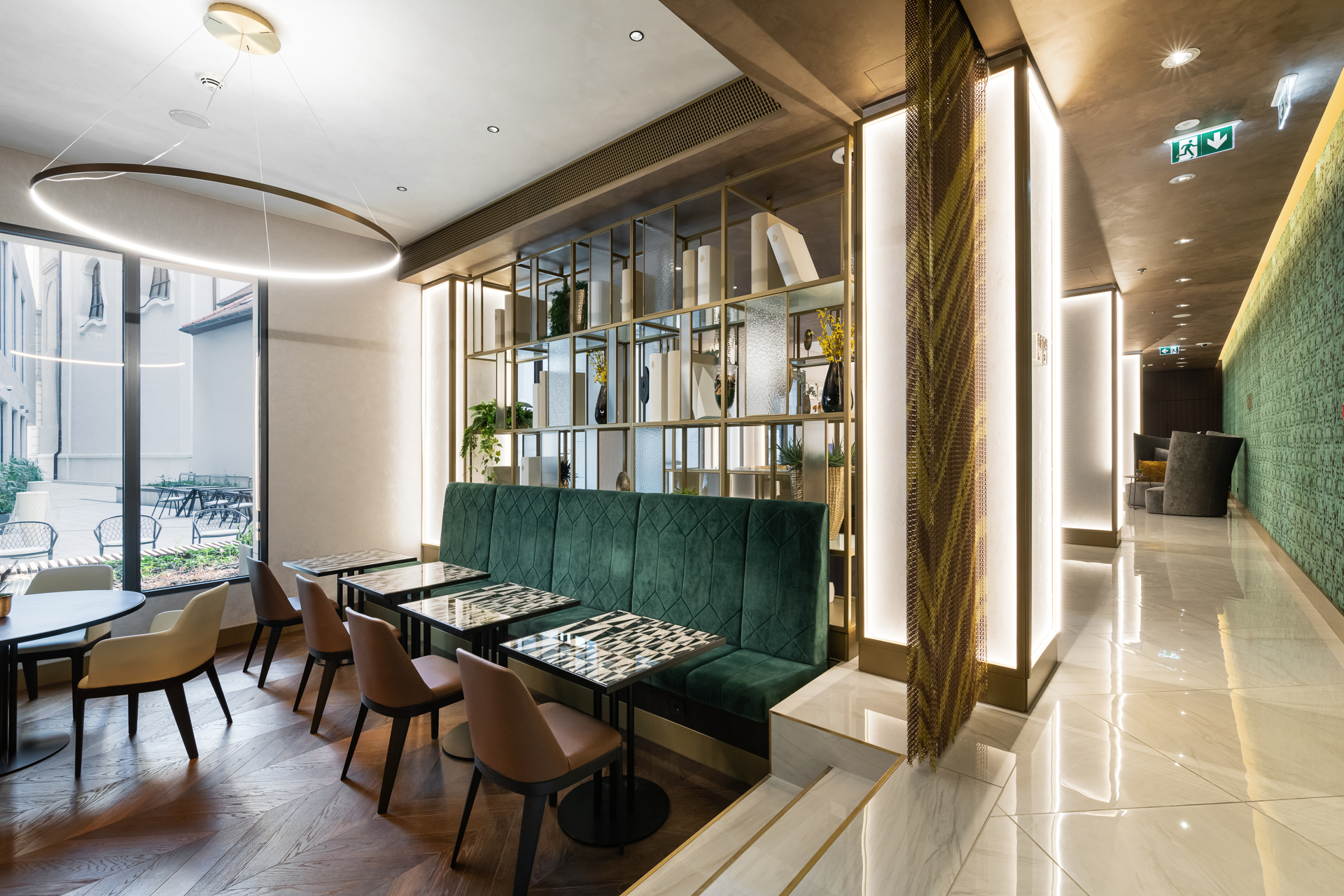
The heart of the project is the breathtaking yet functional spatial design: the sunken island of the lobby, the level shifts at the restaurant, the leveled garden adjacent to the church as well as the hotel and apartment rooms.

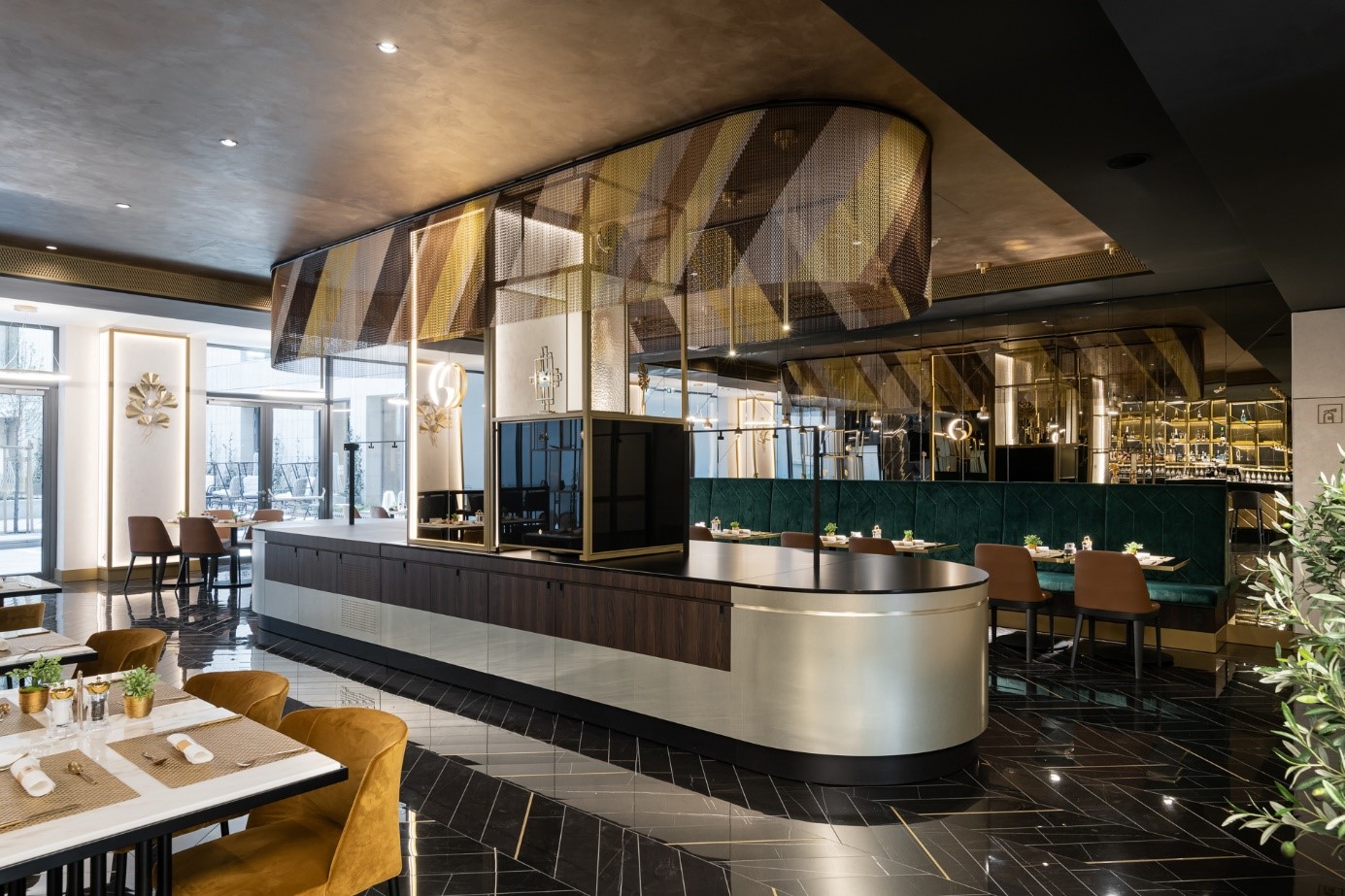
Spatiality was one of the greatest professional challenges for the Emerald’s interior designers. In the restaurant, for example, they had to break the strict marble pavement was laid in a herringbone pattern, enriched and broken by copper profiles that took away from the strictness of the sahara noire marble. A similar playfulness was used to cover the staircase that connects the lobby to the toilets, and draws the eye of the guests.


The architectural shaping of the space was followed by an interior design refinement; they took into consideration the functionality of the space and the operator’s perspective. The spatial design was complemented by the installation of the suspended ceiling and the creation of open partitions to divide or extend the spaces.

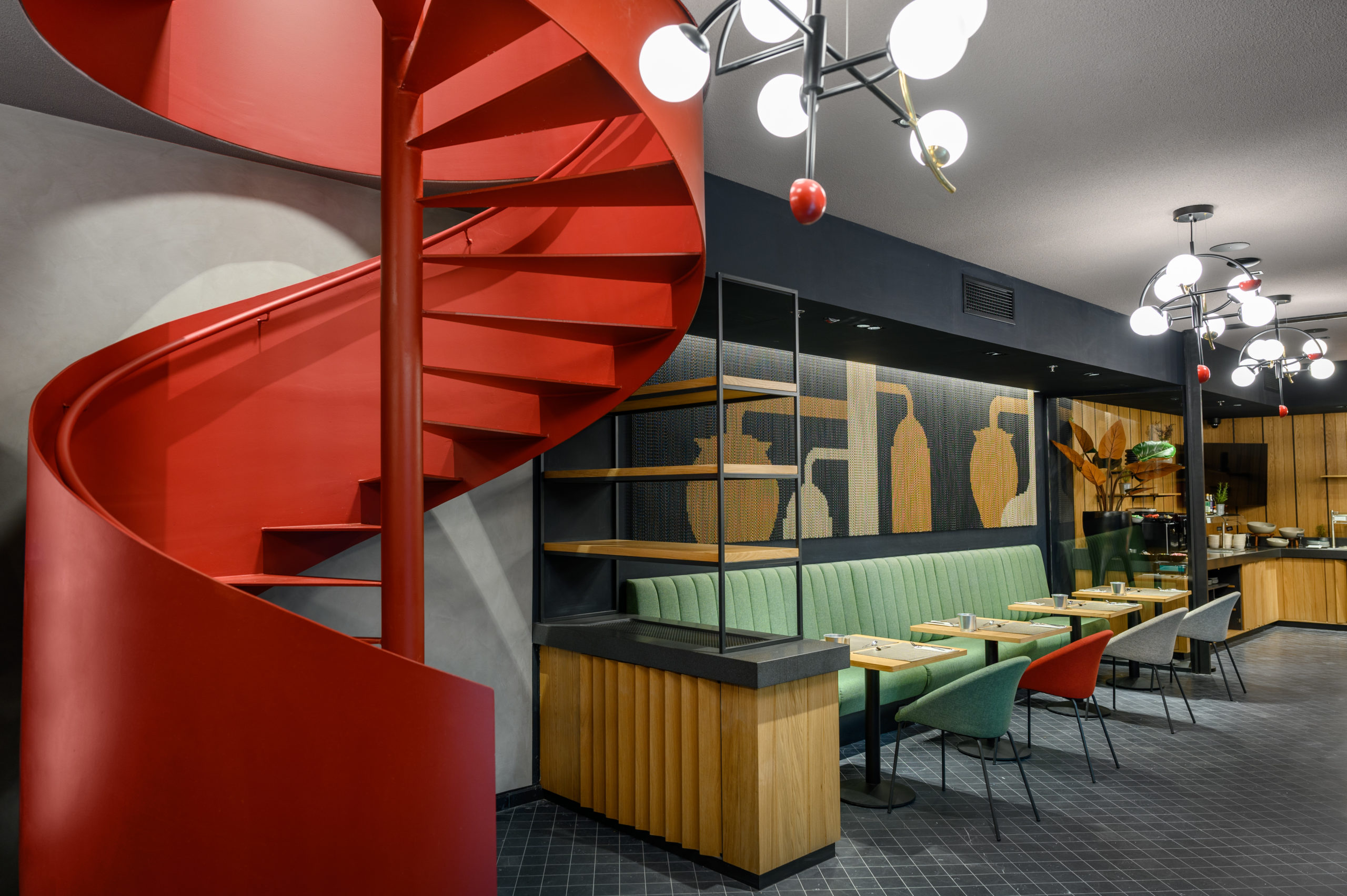
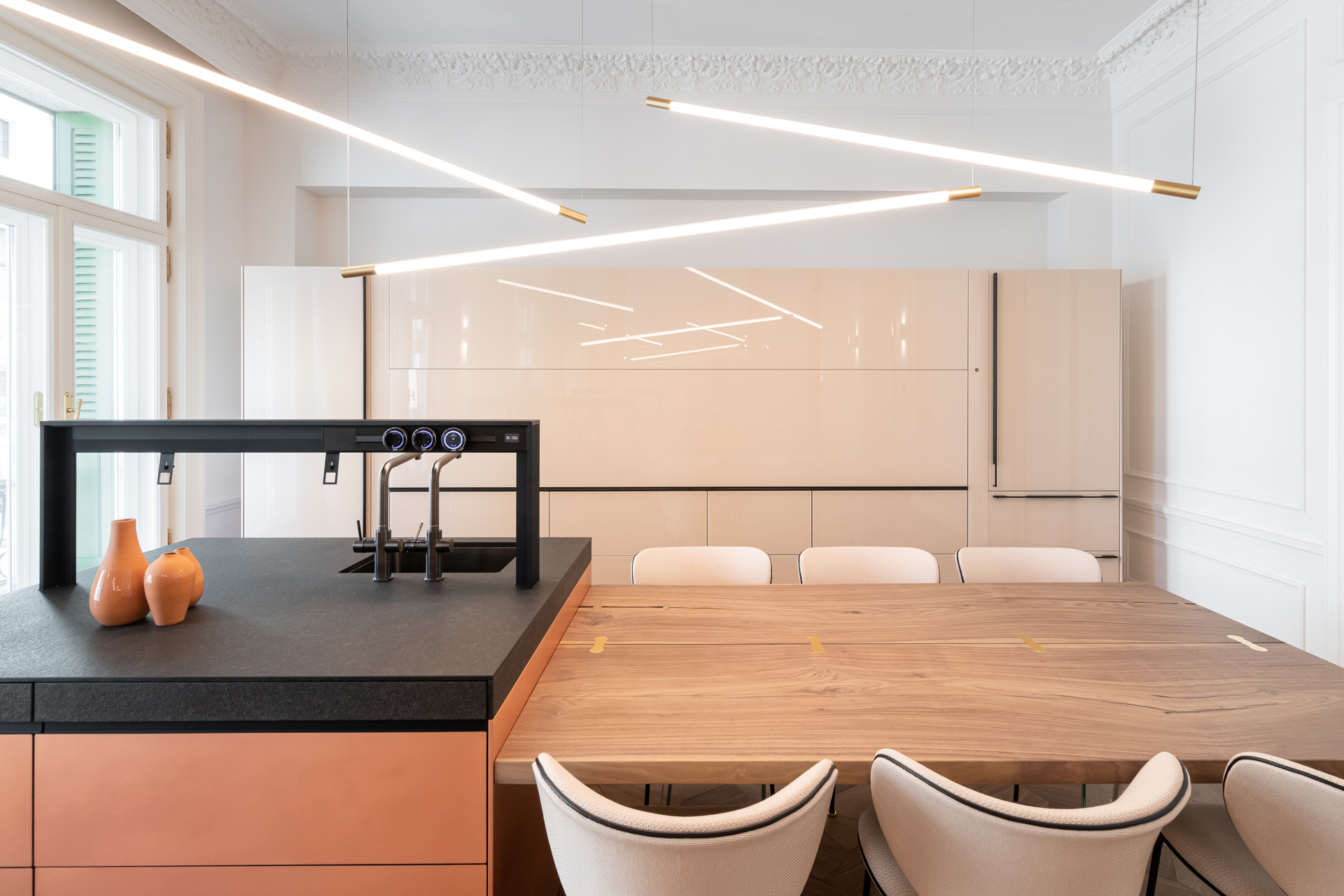
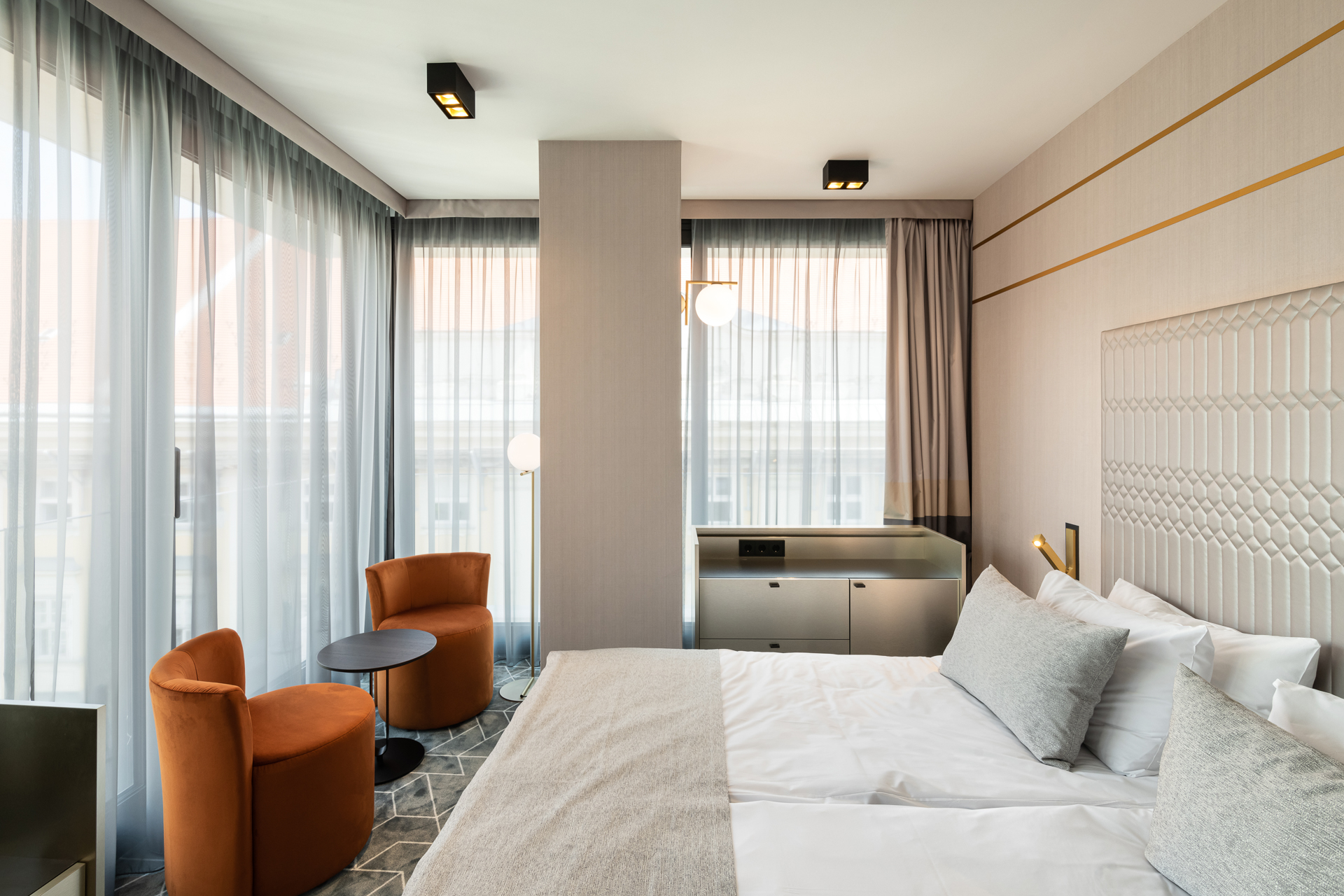
The different variations of the Emerald logo, with their graphic playfulness, appear in numerous places throughout the building, yet all remain discreet. Both in the restaurant and in the rooms, hidden functions are a feature, coffee-making units or functional parts of rooms are kept discreet, while the covering is made spectacular and generous by elegant, large surfaces and noble materials.

Elegant wallpapers, recurring forest green and fresh moss bowls

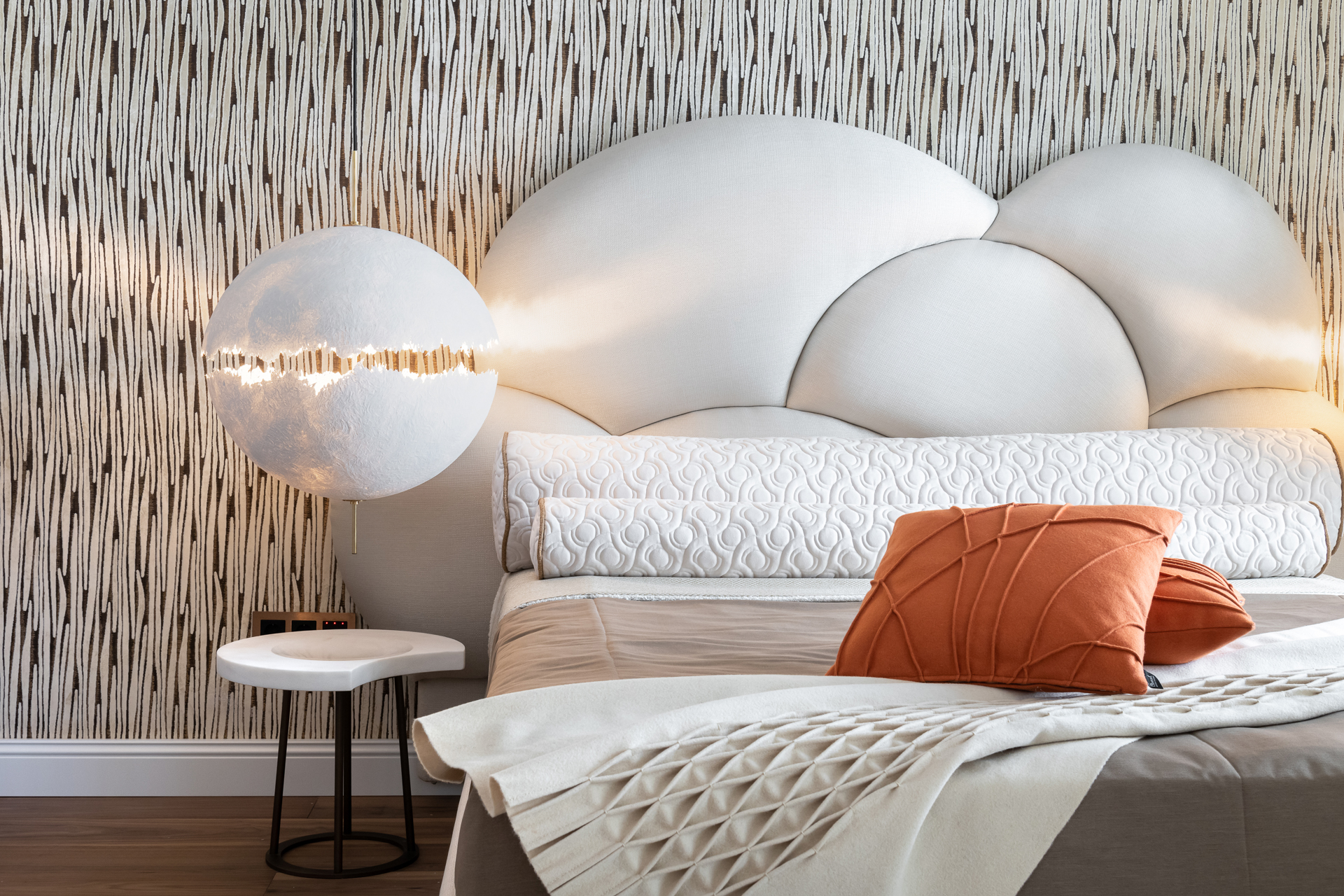
In addition to the exciting spatial relations, the use of noble materials, velvet wallpaper walls and individually designed furniture, space elements and decorative tools create the elegant harmony that characterizes the building. The este’r partners team designed a myriad of unique objects, surfaces and graphics to match Emerald’s rich character – these custom-designed surfaces required a high level of manufacturer knowledge and several technical discussions.

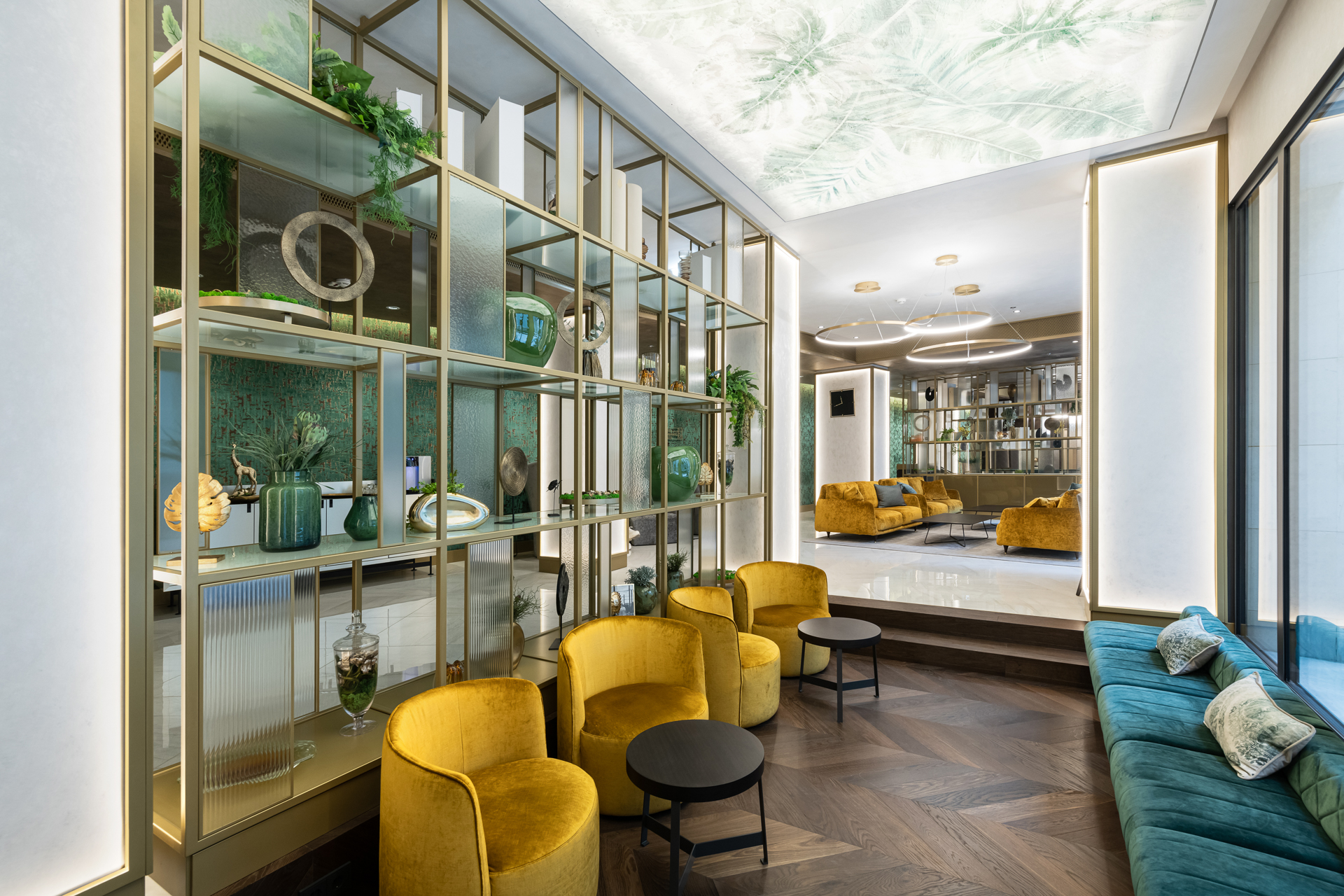
Examples of creative design solutions include the lobby partitions and the unique graphic illuminated ceiling with a plant pattern. The design and shape of Kriska’s metal cladding, which surrounds the lights in the restaurant and lobbies is also striking and emphasise the priority functions. The flooring of the corridors is also based on a unique pattern, with the simple warm beige color blending with the hotel’s recurring green and orange patches – the pattern also highlights the fact that it is printed on a glossy, hotel-quality material.

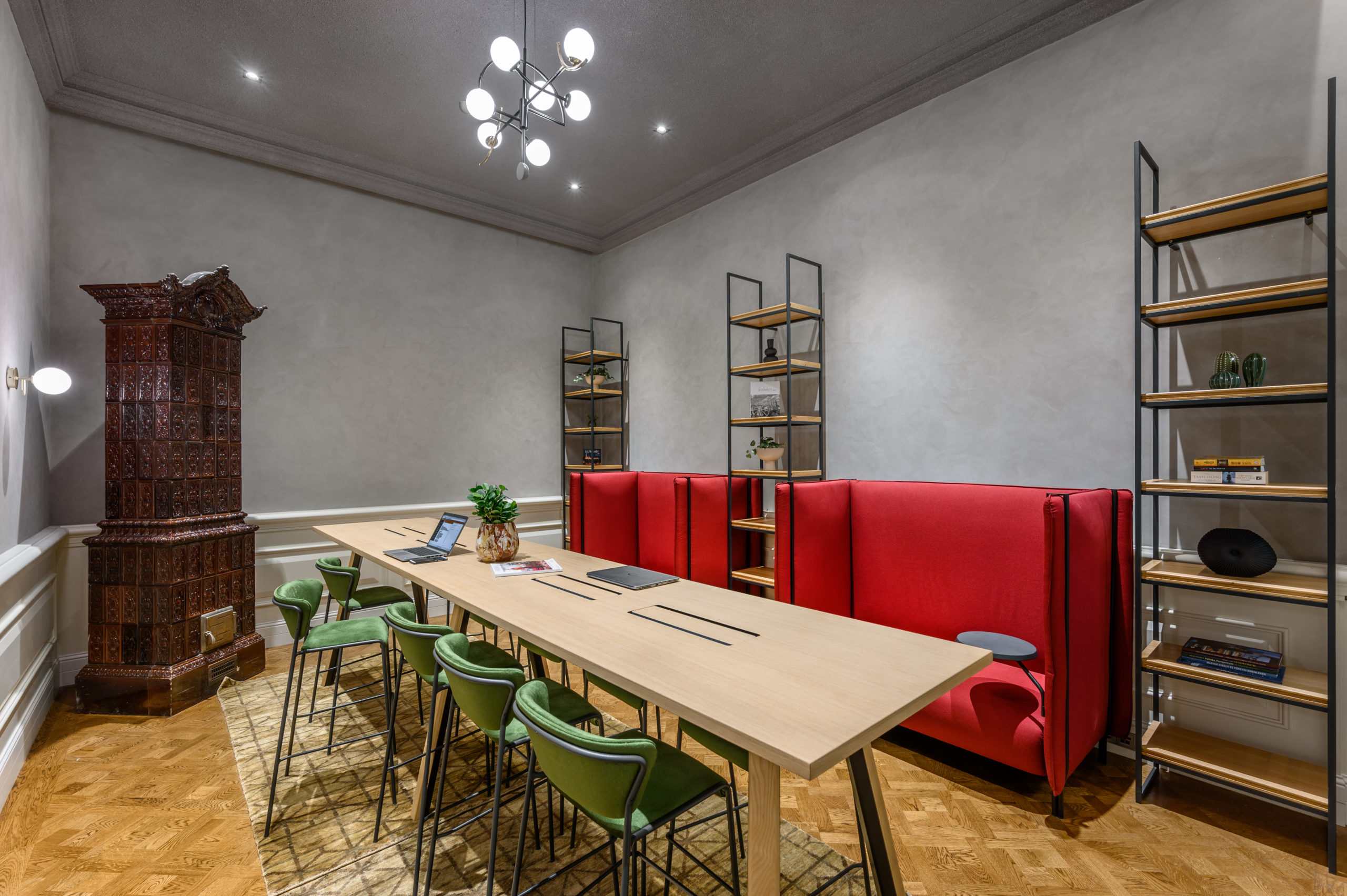
The interior design team added fresh, unique solutions to the shelving system of the partitioning in the lobby: some decorative elements were added to the shelves to further enhance the visitor experience, such as moss bowls, custom-designed white giant books and Bullstein’s large ceramic vases.

Guides the guest: discreet, yet impressive graphic system

The signage scheme was developed by the este’r partners team with the help of Sign Creative specialists. The signage system as a whole is based on a complete concept: modern and elegant, with champagne-colored, wall-mounted metal signage panels to guide the visitor. It is important that the signs are lightweight, openwork and are floating on the wall cladding behind them, so that the unity is not broken. This way, guests can still feel the wood panelling, the velvet wallpaper behind the signs.

The room number markings are hidden in the floor: next to the room doors, there is a stone inset engraved into a metal plate in the carpet seaming. Guests can also read the numbers in the mirror next to the doors. For better visibility, there is a spot-lighting system that projects narrowly onto the number.

Exclusive solutions and designer partners

Several areas of the hotel are characterized by velvet and silky glamour. Inspirational products such as Erba Italia’s accent, armchairs with their majestic dimension, Ditre Italia’s sofas, Kriska’s metallic curtains and Zava’s technical luminaires were used for the exceptional designs.  The este’r partners team worked with high-quality brands that match to the building’s style: velvet wall coverings by Dutch Walltextile and distinctive furniture by Erba Italia, such as the Virgola chair, were designed for the interiors, accompanied by outstanding solutions such as Kriska’s decorative chain curtains in the restaurant and the lobby.

The hotel is uniquely built in a U-shape around the church of St. Anne in the center of the city, in Szervita Square. Between the church and the partly new, modern building, a garden provides access to the lobby: the level shifts of the garden, the green facade of the new building and a soon-to-be sky-high tree, creates a sheltered, romantic courtyard. The garden will blend into the streets of the city center in a discreet and beautiful way, and will be a peaceful place where guests can relax.

Situated right next to the Szervita Square church, the building does not only offer an outstanding location but also close architectural connection. Guests can also enjoy an unusually impressive view from the courtyard rooms – it can be an incomparable experience combined with interior design solutions and high quality service. The church and the modern new building will be linked by a large glass panel with a unique graphic, which will be visible from the street, bringing together the much-loved duality of Budapest, the old values and the new, vibrant solutions.

Kategóriák
Our partners

Meet our partners: ZAVA

Continuing our series featuring the brands that appear from time to time in este’r partners’ interior design work, their names stand for high quality and unique design. Zava Luce’s unique metalworked lamps and lighting fixtures are made in Italian factories, combining innovation and creativity with Italian tradition. In today’s article, the brand is presented by Eszter Radnóczy, interior designer and representative of Zava Luce in Hungary.

The role of light and lighting is becoming increasingly important in interiors, wherever we are: in a hotel, restaurant, office or at home. Why is this?

Light is not only a function, but a fundamental tool for design thinking. Indirectly used, it highlights the surface or the object which is in focus. With direct lighting and with a well-chosen luminaire at the right angle, which can be masked if necessary, we can direct the light only to the object and in the outline we want.  In every case, it is important to pay attention to what colour temperature reflection is achieved on the surface that is illuminated. The lamp itself can be an aesthetic element in the interior. If you want mood lighting and not to play with reflections, it is worth using diffused lighting, with the help of openwork or textile shades.

The ZAVA Luce brand was founded in 1982 by Franco Zavarise out of passion. Passion is one of the key words the brand regularly uses when describing themselves – what reflects their passion for design?

Franco is a dedicated artist, a creative dreamer and a problem solver. The traditional metalworking and the development of unique objects with metal gave him the idea to develop his own collection and products. His fascination for the new and the unique, his focus on function, his deep knowledge of metalworking and the art of surface treatment are the main features of Zava Luce brand. These, and the young engineers and designers who develop the products, are the basis of Zava’s success.

What does the brand represent and why do you like working with their products?

Quality, innovation, architectural and craftsmanship skills and flexibility. Zava’s products serve well the specific needs we defined in our work, with a wide range of indoor and outdoor options.

Their Metallo Nativo collection is unique and thoughtful with playful solutions. How can you work with these design products, what do they add to your work, to your interiors?

The metallic surfaces are varied, from shiny gold to corten, from rose to brass, and can be combined individually. It is important to note that the use of the precious metal, copper, plays a primary role in Zava’s products.  The copper effect and the powder-coated surfaces require specific order for cost-saving solutions. The technical luminaires are modular, decorative and clean in form.

The brand has nearly forty years of experience – what makes Zava special?

In the case of Zava, it’s important to note that they are a small manufactory, where handwork is even more important. This is rarely available in larger companies anymore, especially not with a Made in Italy label. As I mentioned earlier, it is the high degree of metalworking and the use of precious metal that distinguishes them from their competitors.

How do your products sell, what kind of feedback do you get from customers?

We have been working with Zava Luce’s range of products for many years, we have never had any problems, but pleasure and satisfaction. This is why we choose them regularly and are happy to represent them on the Hungarian market.

You can find ZAVA in the Estorio showroom.

Kategóriák
About us

It is out: the new Informa catalogue with art direction by este’r partners

Informa has presented its new catalogue to the Hungarian public: the Italian company combines aluminium machining with high technology to meet market needs where functionality is combined with elegant, lightweight appearance in the field of doors and storage systems. In addition to the production unit in Hungary, Informa’s headquarters in Székesfehérvár has been expanded with a professional showroom.

Informa manufactures filigree doors and windows, concealed and sliding doors using natural, brushed and surface-treated profiles in various metallic shades which can be aligned to divide entire spaces. Their storage systems are also flexible with a variety of systems for all types of office and residential storage. The systems have the advantage of mobility, flexibility and stability during use, but also a modern and state-of-the-art look.


Este’r partners has been asked to create the new Informa catalogue. With a designer’s approach and a deep knowledge of the product range we have designed the spaces in the catalogue to present Informa’s product range. The graphic and stylistic design of the catalogue, photography, technical drawings, illustrations and hand-drawings are also the creative work of our office.

Art Direction by este’r partners

Artistic coordination by Fanni Gyurics

Graphics by Márk Gelley

Visual design by Lars Lovas

Hand drawings by Bianka Bánóczi

Technical drawings by Hajnalka Zellei

Printing by Pauker Nyomdaipari Kft.


Kategóriák
About us

Colorful and bold: Supersalone in Milan

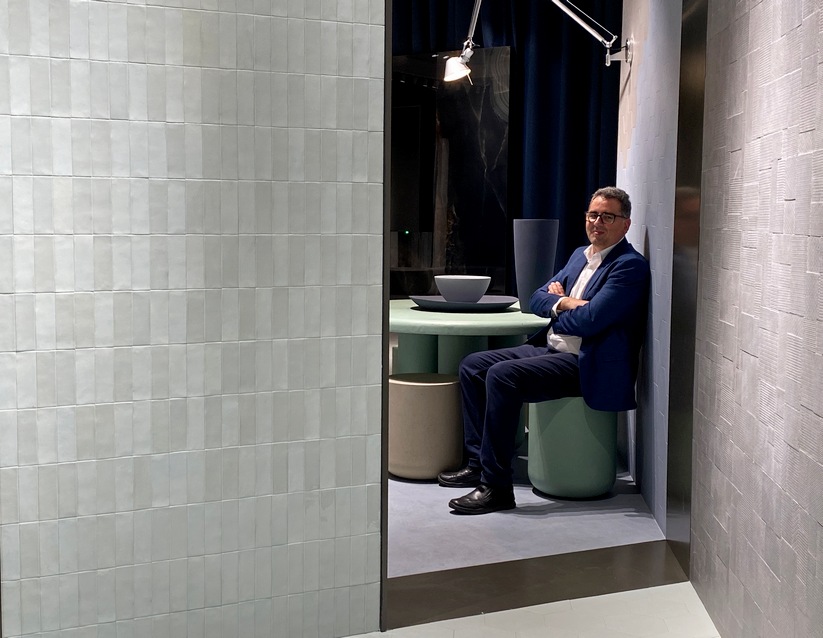
An extraordinary exhibition in a new concept. After one and a half years of postponement, Milan’s renowned architect and urban planner Stefano Boeri (designer of the Vertical Gardens, Giardini Verticali and other buildings) has come up with the idea of a furniture and design exhibition to be held in September at a different time from usual. Interior designer Eszter Radnóczy tells us about this year’s Milan Design Week.

This year the organizers’ idea was to show the latest products of the manufacturers in a museum-like concept, in order to reduce costs and increase transparency. I spoke to several of our partners before the exhibition, they were excited and a little disappointed. Disappointed, because there was little time to prepare, and many did not even want to participate, saying that it was risky, there would be few visitors, it could be canceled at the last minute due to unexpected consequences of the virus, and there would be no opportunity to show the full range of products.

I arrived at the venue with curiosity and left happy after a day’s visit.

The event was transparent, with companies lined up neatly one after the other, mostly with strong messages and stands that trigger curiosity. Creativity could also be seen in such a small space of a few hundred meters and the distinctive characteristics of the manufacturers were recognizable. Of course, anyone familiar with the vast and endless exhibition at the Salone del Mobile was certainly not expecting this. However, the latest product, an important message, a creative idea about the product, its appearance or its quality, quickly found its space.

There was no need to register to visit the stands, no need to look for the owner or representative, they would just sit on the sofa on display or behind the counter. I enjoyed this democratic approach: I could sit next to them, have a conversation and everyone seemed more relaxed and considerate than usual. Surely this concept favors professional visitors, previous knowledge of products and manufacturers is necessary to understand the different exhibition.

Milan Design Week is not just about the exhibition at Fiera, but also about the venues outside. This week, design dominates the city more than usual. The permanent showrooms will offer special programs and installations to visitors. Smaller manufacturers, who do not have showrooms in Milan, will organize joint events.

The “big ones” are looking for venues where the space in itself offers a great experience. A multitude of palazzos welcome visitors, where the old and antique meet the new and innovative. Milan is colorful, very colorful and, as always, bold. Everything is bright, shiny, too big, too small, rough and soft. Contrasts come together in a surprising proportion and become a defining experience.

Now to some of my experiences in detail:

Besides Italian design, I’m in love with French creativity. I love French design because of its eclecticism and its fantastic handling of geometry with curves and when it combines nature with technique. It’s truly fabulous. The Hermés exhibition in the Brera district was just like that. A village decorated with colorful geometric patterns, impulsive interior stages set within huge rustic clay walls, an experience of objects, space and color, the concept that combines tradition with innovation which is linked to Charlotte Macaux Perleman.

The French Institute in Milan is a beautiful building in itself, with a monastery courtyard in the centre, near the Basilica of Sant Ambroggio. At Fuori Salone, we had the opportunity to see designer Piere Nigro’s furniture in collaboration with Mobilier national. The Armadillo collection of furniture allowed the manufacturer to demonstrate virtuosity in woodworking. The exhibition presented the structure and logic of small pieces of furniture made up of solid wooden rectangles. The other product, the Hémicycle seating range, was produced in collaboration with the French manufacturer Ligne Roset, who was involved in its design and upholstery. The furniture’s metal frame and structure showed the creative technology in pieces.

The Nilufar Gallery in Via della Spiga and the Nilufar Depo always has surprises in store. Nina Yashar presents large-scale, eclectically selected projects and unique pieces, which she discovers through meticulous research and further develops with designers.

Entering the monumental atrium of the industrial building, we can admire the sculptures of Pietro Consagra Matacubi, born in 1920 and part of the largest international contemporary collections. The building’s stage is dedicated to the so-called Odyssey exhibition, where Andrés Reisinger’s first Italian show was held.

The designer talks about the relationship between the digital and the real world through a dialogue between the furniture and the projected image.

Last but not least, the installation called Jungle, by Khaled El Mays, is a work of beauty and sustainability.


Kategóriák
Rólunk

Postcard from Italy: a journey with interior designer Eszter Radnóczy

This summer, after a long break, este’r partners team was finally able to travel again. We visited our Italian partners, met our colleagues and we also discovered old and new places in and around Milan. Eszter Radnóczy tells us about her Italian memories and shares her favorite photos.

Italy is not only a place of inspiration, but also a place where I find ideas and moments of joy. This time I visited the Kreoo showroom, where Alessandra Farinon, one of the owners, welcomed me. Kreoo’s marble washbasins, carved from a block of marble, playfully and creatively soften the material’s austere, dignified look. The name of the freestanding, sculptural Gong washbasin in the picture refers to Tibetan bells, which evoke a thousand emotions with their sound and appearance – they are unique not only visually, but also when you touch them.

Next to the Pluvio table. On its surface the waves of water droplets, splashed in the middle of the table, are distributed centrally. At the edge of the table, the waves are so smooth that the surface is almost flat.

The ADI Design Museum, located between old buildings, opened a few months ago as a modern exhibition space in Milan’s China Town. The permanent exhibition presents the winners, designs and products of the Compasso d’Oro from the 1960s to the present. Many iconic pieces are on display so we can better understand the evolution of a product. The museum’s architecture and interior design plans are associated with the internationally renowned architectural firm Migliore + Servetto.

In Milan, my first visit is always to Stefano Napolitani, the head of our partner office. We usually talk about plans, tasks and new challenges. Stefano is an excellent partner in exchanging market ideas, dreaming big and exploring new directions. The city always gives me energy: there is a real construction boom going on here, with rapid development on every corner, which is not only innovative but there’s been a shift towards conscious and green solutions as well.

The Radici Sit-in carpet factory in the Seriana Valley. This time, I visited the factory with Móni, Fanni and Gábor from our Hungarian office: we regularly return with our colleagues because the techniques and possibilities of industrial carpet production are better mastered by seeing them first hand. The picture shows the special colored threads woven on the industrial looming machine.

The Italian design brand Black Tie has a showroom in Veneto, it’s a stunning space in a hangar. Here you can touch and try a range of high quality upholstery, carpentry and metalwork products. As we are the brand’s representatives in Hungary, it is important to get to know all their products thoroughly.

My favourite detail: an American walnut Jumbo table top with a unique decorative wood and various precious metals, in the showroom of Artebrotto known for its artisan woodwork.

The interiors of the Spirit de Milan nightclub are empty in summer, but the outdoor space is full, everyone is having a great time. The Spirit has been a hot spot for evening entertainment and nightlife in recent years, it’s a great place for aperitifs, dinner and digestivo. I’m sure I will come back very soon.

Louis Vuitton’s front, wallpapered with this year’s color trends. This summer the whole Via Montenapoleone is full of colors, I think, after the pandemic, Italians are more colorful, happier and more creative than ever.

Kategóriák
Interjú

Meet our partners: Black Tie

Comfort, functionality, and aesthetics – these three important factors are in a lovely balance when it comes to the unique products of the Italian design brand, Black Tie. In the latest episode of the Meet our partners series, we talked to interior designer Eszter Radnóczy, the Hungarian representative of the Black Tie brand.

Timeless elegance and captivating beauty – that’s how the Black Tie brand, founded by Pierluigi Frighetto, can be described. When did you first meet them and what caught your attention about the products?

Many years ago in Milan, I was invited to the first Black Tie event in a private showroom at the Fuori Salone, that’s where I met the founders. I was very impressed by the really high comfort and strikingly elegant appearance of the products – these two factors are combined with a unique design and styling. What I really like about their work is that there is nothing, literally nothing, about a product that would give the feeling that it was designed for its own sake, prioritizing appearance over function and comfort. Their product range combines the three important factors in a balanced proportion, this is particularly valuable about Black Tie.

The brand blends Italian tradition and knowledge while maintaining a high quality in the fields of design, upholstery and aesthetics. How is it present in their products?

The beauty in the details and all the artisan work behind it is what makes Black Tie a unique brand. This is not only because of the high-end materials they use, but also thanks to the tapping technology and the sophisticated use and shaping of metal, wood, fabric and stone.

Is the composition of the sofas, the layering of the cushions and mattresses also important?

Absolutely, the comfort also lies in the importance of layering in case of Black Tie seating and sofas. This is what gives comfort and longevity, as well as the elegance that comes with using them, such as keeping the aesthetic condition of mattresses and cushions even when you get up from the sofa. Designers reach this by combining today’s mattress technology with tradition, combining layers of different hardnesses appropriately and using natural feathers.

What kind of interiors do you imagine these pieces being used in?

Black Tie’s furniture is essentially modern-classical in design. For minimalist spaces, I can imagine a single unique piece, while for more decorative, elegant interiors, the full range can be easily integrated.

Can you name some Black Tie products which have a special meaning to you?

The Kalida chair is one of my favorites, it is delicate yet very comfortable and its elegantly flowing lines are like a rose petal. One of their wonderful oval dining tables, Opera, has very exciting details: the inlaid wood surface, the marble and the copper threads are combined on the surface of the furniture. The Martin sofa‘s straight, clean lines and its long, elegant surface give a French impression, it becomes even more highlighted with the use of light upholstery and dark leather.

Black Tie products are 100% made in Italy, in the province of Vicenza, with the highest quality control and care. Why is this important?

At este’r partners, we always partner closely with companies that follow this principle. For us, European values, traditions and artisan experience from the past are important. These can be traced back not only to professional skills, but also to aesthetic sensibility and European, in this case more specifically Italian, culture.

Finally, if you had to describe the brand in just a few words, what would they be?

I would highlight the triad of elegance, extreme comfort and timeless design as the most important ones.

Kategóriák
Construction

Fresh and fun new restaurant in Vienna: cook for yourself at Makery

After its successful restaurant in Budapest, Makery opened its second unit in Vienna: the interior design concept of the franchise, based on an innovative community cooking experience, was created by este’r partners. With the cooking experience in focus the rough brick cladding, plants and a high level kitchen technology create a welcoming environment for all guests.


“The key word of the lively Budapest team is success so we were happy to further develop Makery’s original idea and its design solutions; now it’s a concept that can be turned into an international franchise. They give all guests a sense of victory while forming a community and knowing exactly that this requires a cozy, casual interior where premium kitchen technology and professional environment help to relax.”

The Viennese restaurant is in a populated area close to the city center. The location of the corner building, the interior and exterior spaces offered optimal conditions for the design team: their interior design solutions were created by optimizing local conditions. The characteristics of the rough brick wall and the Prussian vault, the features of the exterior doors and the bar counter were emphasized adding the image of Makery’s strong brand.


Tuned to success: cooking experience in focus

Makery is primarily a venue for meeting friends, co-workers or organizing family events. According to the owners’ idea, guests can prepare their dishes or even an entire menu cooking together and using the given ingredients on the basis of instructions, what’s more they can eat the meals together. The interior design concept required a well-thought-out spatial organization as every small movement and step taken can be significant in the cooking process, while a poorly placed drawer or counter could significantly worsen the experience.


Stable cooking base, enough space

The team of este’r partners organized the space around functionality: while the strict location of the cooking blocks suggests stability, most elements in the restaurant can be easily moved or converted. Designers had to pay special attention to the fact that guests work with chopped ingredients and lots of kitchen utensils, yet these details need to be structured in the space so that even less experienced chefs don’t get lost in the equipment jungle. The discreet presence of rough brick cladding, simple-lined furniture, Italian tiles and flooring allow guests to focus on the cooking activity and the community experience.


Cozy welcome, fresh experience

The design team focused on a cozy and relaxed arrival experience. Guests can wait for their team at the bar counter; this reception area provides a great place for guests and staff to meet and connect. The calm atmosphere is enhanced by the characteristic Makery color scheme: the meeting of yellow-black colors, the use of natural materials and solid wood, and the atmosphere of industrial buildings is also present. Pleasant and warm lighting and large brick walls boost the casual atmosphere.

Increased hygiene

Adherence to hygiene guidelines both in the preparation areas and in the front of the house were utmost important while creating the interior design solutions. Surfaces can be cleaned easily and quickly, trash cans can be opened with a pedal, almost all surfaces can be washed and easily maintained. It was an important request of the client that different groups could cook separately and at a distance from each other. The spatial organization creates an airy, never-crowded space even in case of side-by-side kitchen workflows.


Metropolitan design, local flavors

An important part of the Makery concept is that it also provides a unique experience for visiting tourists, who can try the preparation of local traditional dishes with professional help. All nations feel warm and comfortable in the metropolitan, fresh design, and the interior design solutions also allow for international adaptability, ie franchise expansion opportunities.

The interior design team of este’r partners has brought the fresh, vibrant interior of the restaurant in Budapest to the Viennese one. The popular and well-tried interior design solutions are now available in a new location. The alternation of the visible industrial elements, the geometric lines and fresh design add a lot to the community experience. The space is modern, cozy and natural, making guests feel that it’s good to be here and great to cook together.

Photos by Makery (Thomann Bence)
Kategóriák
Interjú

Celebrating two years of creativity in Milan with interior designer Eszter Radnóczy

Two years ago you opened your Italian partner office in Milan. What were the achievements and how was this period?

Our most important goal, when we founded our partner office in Milan has been fulfilled: we can work and design together with our partner, Stefano Napolitani and Waves Project Ltd. We are looking for international opportunities in our cooperation, and this year we were able to present an exciting project together: the elegant home in a porcelain shell is the first visible expression of the values we share.

Both Italians and Hungarians were severely affected by the pandemic this year. How was it for your company?

The past year was a real test for the entire construction industry, I hope that an upswing is coming now. I always look at difficult situations with a glass-half-full kind of attitude, my team consists of creative colleagues who always come up with good ideas in unexpected situations. We are full of joy which carries us forward, the world is now wide-open in front of us.

Designing in Milan is a completely different experience than in Hungary. Can you describe the differences?

Milan is one of the most important and vibrant urban centers of the world. The city is getting greener and more livable; with creativity and conscious planning designers are doing a lot to follow this direction in the future. Italians shape their cities with a great sense of space, and their approach and experience are of international qualities. What I really like in Milan is that even simple residential buildings are designed with ease and creativity in mind.

Your Italian partner, Stefano Napolitani is the chief designer of the architecture studio Waves Project Ltd. Can you tell us about him and the cooperation?

According to our Italian partners, design and architecture are strongly connected to each other, these two areas are in harmony. Stefano runs our partner office with great experience and a practical approach. In Hungary, we rarely see this fresh, playful approach that characterizes his work. It is also due to his personality that he claims: architectural and interior design works with maximalist attention to detail and value creation, but designed loosely, lightheartedly without over-thinking is what makes people happy. It is great to have a partner like him, I truly enjoy working together.

Fotók: Glázer Attila

Kategóriák
Construction

Elegance in a porcelain shell: este’r partners international work with Waves Project Ltd.

Interior designer Eszter Radnóczy and her team of este’r partners created an elegant, unique architectural and interior design concept for a client on an international project. The studio, in collaboration with her Milanese partner, the renowned Italian architect Stefano Napolitani, founder of Waves Project Ltd., designed a three-part building with stone porcelain cladding with matching, restrained but special interiors.

“We introduced a plan to our client in which we worked with generous spaces where the unique architectural and spatial experience are both very important. The building, which becomes mysterious with a level shift, a hidden garden and stunning interiors, is at once clean, contemporary, but fully personalized,” says Eszter Radnóczy.

The characteristic element of the house is the ventilated stone porcelain, which is used as both a roof and a facade cladding, wrapping the entire building without a break or split. Windows and doors placed in the roof angle continue downwards, connecting the three parts of the building by a glass staircase. The generous stone porcelain cladding also provides high-quality, unique technical solutions, such as rainwater drainage or shading was also a serious challenge.

The house is based on the harmonious alternation of enclosed and open spaces and this continues outdoors as well: while the upper garden communicates openness and is a warm space perfect for gatherings and welcoming guests, the deep garden is a more private, mystical and cozy oasis. A particular feature of the house is the spectacular but intimate overflow pool: this and the study, related to space, are both a spot for relaxation, reflection, focus and silence.

The house is built on a triad of stone porcelain, natural stone and wood, designers followed the tone-in-tone principle. The style of the whole house is uniform, its color scheme is soft and sophisticated. Wood paneling appears everywhere, but as an inverse solution. The recessed garden level and the ground floor, for example, were given cold flooring, the same as the outdoor facade, bringing outside and inside living together.

KITCHEN AND LIVING ROOM

The space division is consciously planned, the exterior cladding of the house runs in and continues along the longitudinal axis: based on the designers’ decision, only the perpendicular partitions were given a dominant cladding which is completely different from the outer walls of the house.

The high-tech kitchen is hidden behind the wood paneling: the infrared-sensing, glass-fronted Valcucine kitchen opens up supporting touch-free interactions and it is made with industrial technology but features cozy and well-equipped, ergonomically developed functions. The kitchen and its surroundings, because of the dominant ceiling and wall cladding, are optically detached from the living room. There is a custom-designed bookshelf in the living room, which hides additional kitchen tools and food preparation appliances on the back wall. The furniture and lamps are iconic design pieces that, in addition to the comfort functions, capture the eye with their design and sophisticated details.

BEDROOM

The huge wood paneling of the bedroom faces the glass wall. The bed is given a central role in the space, here as well the goal was to provide a space experience. With this solution, the designers provide a kind of floating feeling: the Poliform bed, the sofa, the Occhio lamps, as well as the suspended spot lighting are almost floating in the room. Behind the headboard there is a huge glass wall separating the bathroom foyer from the bedroom, which has a high end bathtub and a design washbasin.

BATHROOM

Italian designer, Antonio Lupi’s Dune bathtub was placed in that part of the bathroom which communicates with the bedroom, where it can softly slide into the pedestal. Its shape recalls that of dunes with a perfect design for relaxation. The free-standing, uniquely designed washbasin and mirrors shape the space and serve as room-dividing solutions, while all the necessary functions are included. The enclosed parts of the bathroom, the shower and the washbasin have been moved to separate rooms – these functions are separated by lightweight glass walls for letting light in. With the green wall, the garden experience is reflected in the bathroom.

CLOSET

The closet is custom-designed and was planned with the help of the Italian colleagues of este’r partners. The glass-enclosed cabinet sections have reflective gray glass, this gives the possibility of controling the visibility, depending on the intensity of the light entering the cabinet. The two central elements of the mirrored wardrobe are the island, richly and elegantly divided with organizers, which is more emphasized in the large space by the dynamic, modern crystal chandeliers made by Manooi.

Based on the design by este’r partners and Waves Ltd., every space and interior design feature of the house is detailed, coherent and has been carefully thought out. The whole house is airy: unique space experience, fantastic angles, and the garden beyond the glass walls provides a stunning look to the elegant building.

Kategóriák
Kivitelezés

Clear lines for clean food: dr. Lenkei’s Clean Food flagship store is open

The first flagship store of dr. Lenkei’s Clean Food brand has opened in the 15th district, in Mehola department store. The interior designer este’r partners focused on simple lines, clear spatial organization and the use of natural colors and materials when designing the first store of the franchise chain. This sleek interior design concept provides the right base for a diverse and colorful product range and conveys the philosophy of the client, Lenkei company: natural, clean food.


A striking element in the symmetrical design is the so-called moss gate: the inside of the entrance door is painted dark green and partly covered with flat moss. The entrance is not only a visual element, but also a spiritual “tool”: a symbol of purification that compels customers and those interested to enter the space in a transcendent state. The moss gate is powered by air humidity and is custom-designed.

The key elements of the store are the designer lamps suspended from the ceiling, positioned above the cash desk and the gondolas: this is not the first time that the team of este’r partners has used the natural-looking Paper Up lamps made from recycled material.

On both sides of the space there are modular shelving systems from AluStyle frames with LED lighting hidden in their columns, with a drawer element at the bottom. The designers integrated a sink and coffee machine into one of the sidewall shelving systems. The product information on the shelving system can be placed in holders, and colored posters above the shelves display the origin and the background of the products. Every dr. Lenkei store has a café corner where people can taste the coffees available here. A discreet, special solution is the magical pixels on the coverings created from the products of Vogue Ceramica and Graph Color, above the reception desk and on the back wall: the delicate Italian design brings playfulness into the space.

The concept of interior design, based on the green-pastel-natural wood triad, aims to convey simplicity and clarity: the team of este’r partners created the first store of the franchise with a harmonious, clean design.

Interior design: este’r partners

Lead designer:  Eszter Radnóczy

Designers:  Mónika Vajta,  Fanni Gyurics

Floor and covering: Vogue Ceramica

Design lamps: Paper Up

Wall painting: Valpaint Valrenna

Shelving system: AluStyle GP3

Bar chair: Colos

Moss gate: Virágkoktél Design